”
}
Title uses en dash â fine.
Let me write the html fully now, carefully, keeping paragraphs tight.
Also, maybe include the byline? Not necessary.
Image placement:
1. After the third paragraph (end of intro), before h2 #1? Or after first h2. I’ll put after intro paragraphs, before “What the 1966 tip credit actually does”.
2. Before/within “The guest becomes the payroll” â after that section’s first paragraph? I’ll place after that section.
3. In “Reading the menu as a labor document” â after its paragraph.
Figcaptions in persona voice.
Now, word count: let me roughly ensure â¥1200. My draft is comfortably ~2000. Good.
Write final.
Double-check JSON validity mentally: no unescaped double quotes â I’ll use â â for the statutory quote and for “the customer is always right” use quotes: âthe guest is always rightâ â use curly. Also “Hospitality Included” â curly quotes. All attribute quotes single. No backslashes. Good.
One subtlety: within figcaption “Photo: Pexels” fine.
Also loading=’lazy’ attributes fine.
Compose now.{
“title”: “How Restaurant Tipping Distorts the DinerâServer Relationship: Reading Public Law 89-601”,
“html”: “
The document is dry, even by the standards of statutes. Public Law 89-601, signed by Lyndon Johnson on September 6, 1966, is remembered for extending the federal minimum wage to hospital orderlies, laundry workers, and farm laborers who had never been covered before. Tucked into its amendments to the Fair Labor Standards Act, though, is a shorter and much quieter provision. Section 3(m) let employers count a worker’s tips toward half of the minimum wage. The law also needed a definition of a tipped employee, so it wrote one: a worker âengaged in an occupation in which he customarily and regularly receives more than $20 a month in tips.â
Twenty dollars. That figure has never been adjusted. In 1966 terms it was roughly two hundred dollars a month in today’s money; the statute still says twenty. Nearly sixty years on, that one sentence quietly governs how millions of restaurant workers are paid. And it did something stranger. It handed part of the server’s wage to the guest. Every table in an American restaurant became a small payroll office, and no diner was ever told what the office pays.
That asymmetry is the subject of this piece. Tipping did not simply become generous or stingy over the decades. It restructured the relationship between the person eating and the person carrying the plate, and the record â statutes, ledgers, labor surveys, the menus themselves â shows exactly how.

What the 1966 tip credit actually does
The mechanics take three sentences. When the federal minimum wage rose to $1.40 in 1967, a restaurant could pay a tipped waiter seventy cents an hour, provided his tips made up the difference. Today the federal minimum is $7.25, the tipped minimum is $2.13, and the tip credit is capped at $5.12. The Department of Labor lays this out in Fact Sheet #15, which reads less like guidance than like arithmetic borrowed from another century.
Two dates matter. In 1966, the tip credit was born at fifty percent. In 1996, the Small Business Job Protection Act froze the cash wage at $2.13, and it has not moved since. Seven states â Alaska, California, Minnesota, Montana, Nevada, Oregon, and Washington â decline the arrangement and require the full minimum wage before tips. Everywhere else, the gratuity is not a bonus on top of a wage. For most of the hourly rate, it is the wage.
The guest becomes the payroll
Consider what that does to the transaction at the table. In an ordinary purchase, the price is set before the service, both parties can read it, and neither has to guess. Under the tip credit, part of the price is set after the work is finished, in private, by one person’s judgment, with no invoice and no explanation. The server cannot quote it. The guest cannot audit it. Neither party fully knows what the other has agreed to. We have written before about reading restaurant payroll ledgers, and this is the same exercise from the other side of the table.
The consequences show up in the numbers. The Economic Policy Institute has found tipped workers roughly twice as likely to live in poverty as the workforce at large, and Department of Labor investigations of full-service restaurants turn up wage violations more often than not. The violations follow a pattern: tip credits taken against tips that never materialized, hours shaved off timecards, tip pools quietly dipped into. Saru Jayaraman’s Behind the Kitchen Door (2013) collects the worker-side testimony, and it is grim reading.
I will permit myself one flat statement of indignation, because the ledger justifies it. The federal definition of a tipped employee still turns on $20 a month â a figure set when a restaurant dinner cost a few dollars â while the tipped minimum it anchors has been frozen at $2.13 for nearly thirty years. That is not a policy that drifted. Someone wrote those numbers down, on purpose, and they have stayed written.
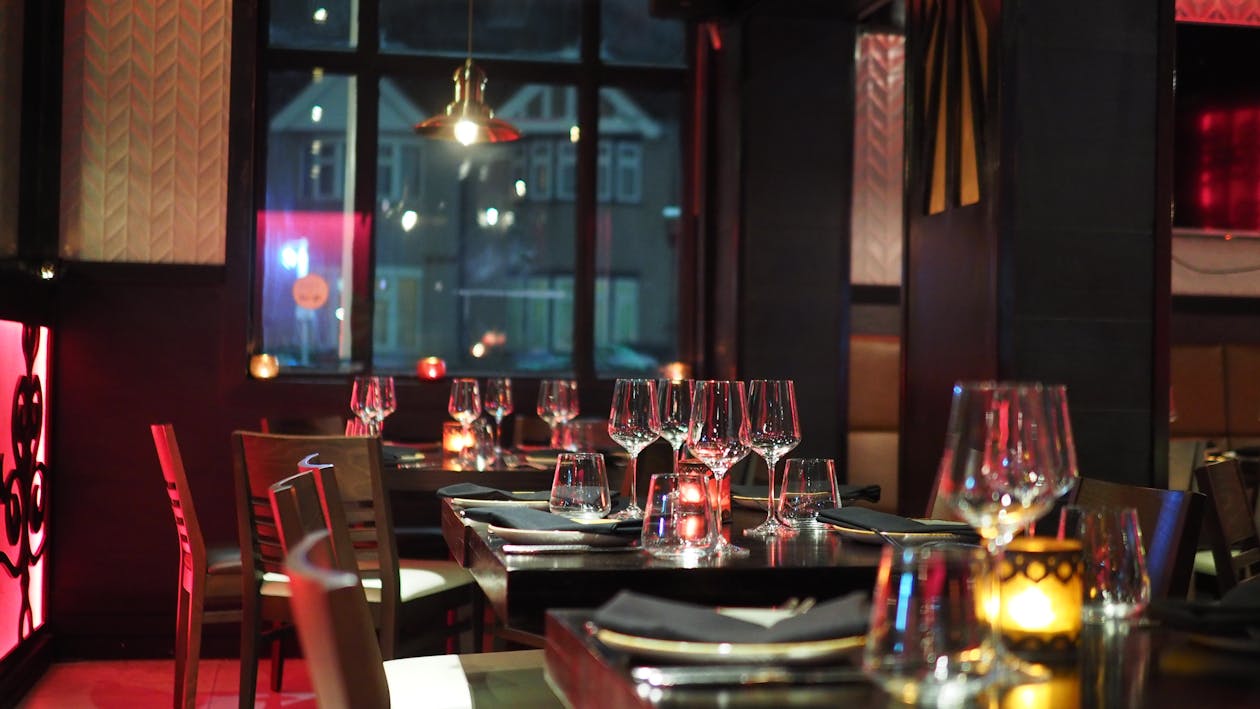
Where the custom came from â and who first paid for it
Tipping itself is older than the statute. It arrived in the United States in the 1860s and 1870s, imported by wealthy Americans who had seen the practice in Europe and wanted to be seen practicing it. The country did not receive it politely. Newspapers called it âflunkyism,â a habit imported from a class system the republic was supposed to have declined. William R. Scott’s 1916 polemic The Itching Palm, still the best-remembered American text on the subject, treated the tip as an un-American habit and a bribe in miniature. Between 1909 and 1913, at least six states â Washington first â banned tipping outright. None of the laws survived the decade.
The labor history underneath is uglier and better documented than most diners know. Kerry Segrave’s Tipping: An American Social History of Gratuities (1998) traces how, after Emancipation, railroads, steamship lines, and Pullman dining cars hired newly freed Black workers and paid them little or nothing, on the expectation that tips would make up the difference. Jayaraman makes the same argument in Forked (2016): tipping took hold in this country in no small part because it let employers transfer the cost of Black labor onto customers, one gratuity at a time. The waiters and porters who lived under the system left almost no memoirs. What they left were ledgers, union pamphlets, and court records â which is where Segrave and Jayaraman found them.
The state bans of the 1910s were moral statements, not labor protections. They were aimed at the diner’s dignity, not the waiter’s pay.
What the tip actually measures
If the tip were really a price for service, it would track service. Michael Lynn, who has studied gratuities at Cornell’s hotel school for two decades, has found again and again that it barely does. In his pooled results, the quality of service explains a couple of percentage points of the variation in tips. The rest follows the server’s race, age, and appearance, the guest’s habits, the weather, and a set of performances that have nothing to do with the food: the crouch beside the table, the light touch on the shoulder, the first name written on the check. The French researcher Nicolas Guéguen documented the crouch and the touch; both raise tips, measurably.
Black servers receive smaller tips on average than their white colleagues, a finding Lynn has replicated across datasets â which turns each gratuity into a small act of pricing by appearance. And the distortion runs both ways. Worker interviews collected by ROC United, and by trade journalists over the years, record servers rating tables by expected tips before the guests have said a word, sometimes in coded shorthand I won’t repeat here. The tip credit doesn’t just let the diner underpay the server. It teaches both sides to appraise each other at the door, before anyone has earned anything.
The harassment ledger
When the customer holds the paycheck, âthe customer is always rightâ stops being a slogan and becomes a compensation policy. ROC United’s 2014 survey, The Glass Floor, is the survey evidence we have: women working in states that still pay the $2.13 tipped minimum reported sexual harassment â and management pressure to dress for it â at higher rates than women in states that guarantee the full minimum wage. The economics are not mysterious. A worker whose wage arrives at the table has been made dependent on the mood of whoever is sitting at it.
The kitchen on the other side of the door
The tip credit also drew a line down the middle of the kitchen. Cooks, dishwashers, and runners are not tipped employees, so they were locked out of the gratuity stream â while the credit held front-of-house wages down on the theory that tips would make them whole. In many fine-dining rooms, a good server now out-earns the line cook who cooked the plate. That is one of the quiet scandals of the industry, and the payroll records bear it out.
The law has started to bend here. In March 2018, Congress amended the FLSA to declare that tips belong to the employee, not the house, and to let back-of-house workers join tip pools â but only if the employer pays the full minimum wage and takes no tip credit. Read that sentence twice. The federal government now effectively concedes that once the employer pays a real base wage, the tip stops being a wage and becomes what the diner thought it was all along: a gift.
Reading the menu as a labor document
Once you know the law, the small print on menus changes character. âAn 18% gratuity is added for parties of six or moreâ is not a courtesy; it is the house guaranteeing its own tip credit. A line reading âservice chargeâ is a different animal from a tip â it belongs to the house, to be distributed as house policy provides, and the menu is supposed to say so. We’ve written about the short history of the service charge line elsewhere. The preset tip screens on counter-service tablets â 18, 20, 25 percent for ninety seconds of work at a register â are the newest entry in the genre, and the least honest, since nobody’s wage back there depends on them.
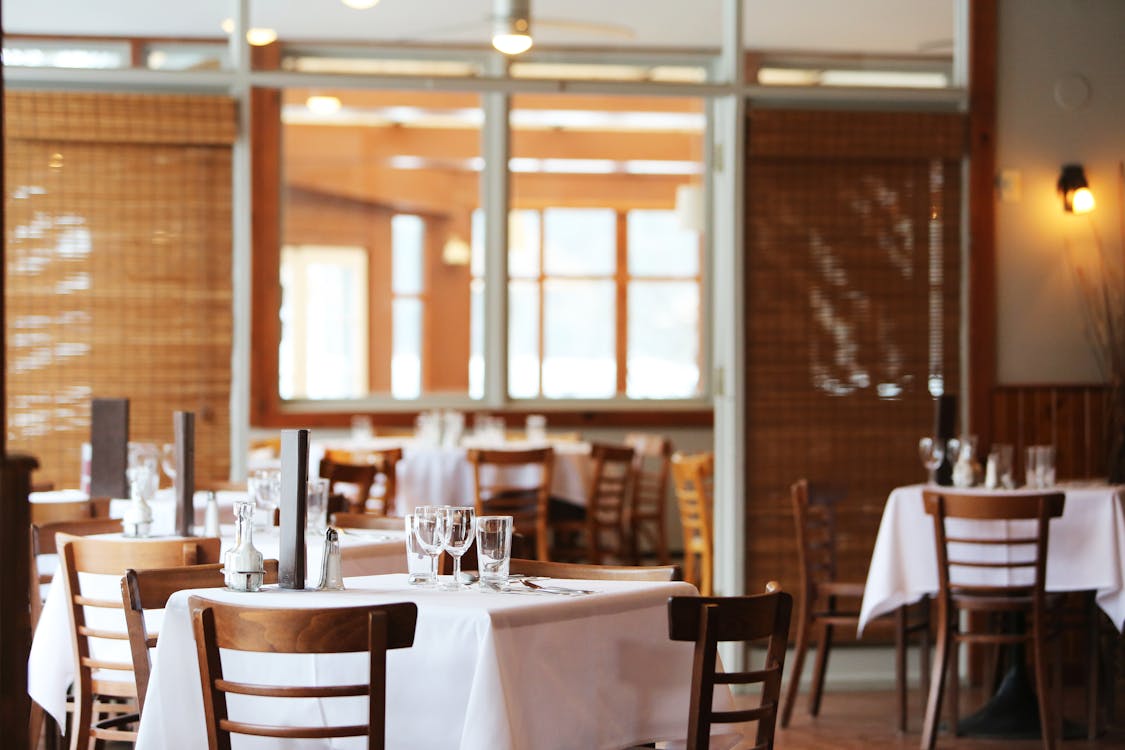
The experiments, and what they teach
Restaurants have tried to escape the arrangement. Danny Meyer’s Union Square Hospitality Group abolished tipping across its dining rooms in 2015 â âHospitality Includedâ â raising menu prices by roughly twenty percent and folding the increase into wages. It was a closely watched test, and it mostly failed the market: within five years, most of his restaurants had quietly gone back to tipping. Chez Panisse in Berkeley put a service charge on its checks in 2013 to fund health coverage and steadier wages, and has kept it.
The lesson in the record is not that the arithmetic fails. A twenty percent price increase and a twenty percent tip are the same number. The lesson is informational. Guests punish visible prices and forgive invisible ones, even when the invisible ones cost more. Any system that leaves the wage ambiguous will keep producing the distortions above, because the ambiguity is the distortion.
What the documents will and won’t let me say
The record supports this much: tipping in its current legal form is not a gratuity system at all, but a wage system dressed as one, formalized by a 1966 statute (Public Law 89-601) that has been neither indexed nor repealed. It prices servers by appearance and mood. It exposes them to harassment in proportion to their dependence. And it cuts the kitchen out of the money the kitchen earns. Where the record stops, I stop. Whether Americans would accept honest menu prices if given a decade to get used to them, the documents cannot yet say â every experiment so far has been watched, priced, and abandoned before it could run that long.
In the meantime, the check arrives with a blank line on it. The diner is asked to set part of someone’s wage, with no information about what the wage is. The server is asked to accept it, whatever it is, with a smile if the mood matters. That is not a relationship between host and guest. It is a payroll with no rate card, and September 6, 1966 is where it was written down.
FAQ: how restaurant tipping works
Why can restaurants pay servers $2.13 an hour?
Because the 1966 tip credit lets employers count tips toward the minimum wage, and a 1996 law froze the cash portion at $2.13. The employer must ensure tips bring the worker up to at least the federal minimum ($7.25), making up the difference if they don’t. Seven states require the full minimum wage before tips.
Do servers legally keep all of their tips?
Since March 2018, federal law says tips are the property of the employee. Employers may require tip pools among staff who customarily receive tips, and may include back-of-house workers only if they pay the full minimum wage and take no tip credit. Managers and supervisors may not share in the pool.
Is a service charge the same as a tip?
No. A tip goes to the worker, by law. A service charge goes to the house, which can distribute it as its own policy provides â or keep it. The difference lives on the menu and the check, which is why the wording deserves a slow read.
Does tipping actually reward good service?
Barely. Two decades of research, much of it by Michael Lynn at Cornell, find that service quality explains only a few percentage points of the variation in tips. Race, appearance, and small performances â the crouch, the touch, the name on the check â move the number more than the food does.
Where did tipping in America come from?
It was imported from Europe in the 1860s and 1870s, resisted at first as an aristocratic habit, and took hold partly because employers â including railroads hiring newly freed Black workers â could use it to avoid paying wages. Six states banned it between 1909 and 1913. The bans did not survive.
Documents named in this piece
- Public Law 89-601, the Fair Labor Standards Amendments of 1966 (the tip credit and the $20 definition)
- U.S. Department of Labor, Fact Sheet #15: Tipped Employees Under the FLSA
- William R. Scott, The Itching Palm (1916)
- Kerry Segrave, Tipping: An American Social History of Gratuities (1998)
- Saru Jayaraman, Behind the Kitchen Door (2013) and Forked (2016)
- Restaurant Opportunities Centers United, The Glass Floor (2014)
- Michael Lynn’s tipping studies, Cornell School of Hotel Administration