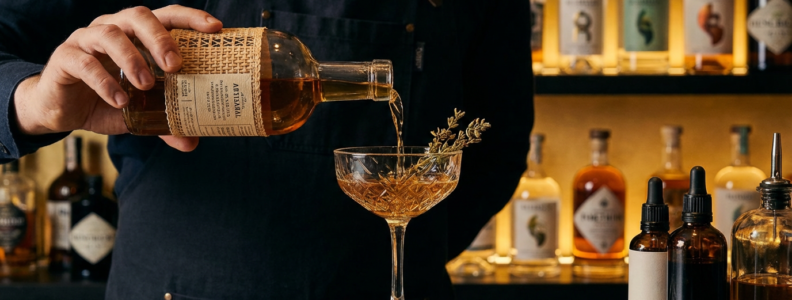
The Market Caught Up to the Hype
Five years ago, non-alcoholic spirits were a novelty. You ordered one at a bar and got a sympathetic nod from the bartender, who then disappeared to find a bottle gathering dust behind a stack of vermouths. Today? That same bartender has options. Real options. The global non-alcoholic spirits market exceeded 1.6 billion dollars in 2025, and according to IWSR No and Low Alcohol Beverage Report, the category is projected to grow at 8.1 percent annually through 2028. That’s not viral trend territory. That’s a structural market shift.

What changed isn’t just the size of the market. It’s the sophistication. Major brands launched dozens of new expressions. Ghia raised 15 million dollars in Series B funding in early 2025 and immediately expanded into 3,000 additional bars and restaurants. Lyre’s now has 13 different spirit-style options on the menus of over 12,000 US bars and restaurants. These aren’t numbers that suggest experimental positioning anymore. This is infrastructure.
Even the cultural institutions noticed. The James Beard Foundation Awards 2026 introduced their first-ever dedicated category for Outstanding Bar Program – Zero Proof. When organizations that have shaped professional beverage culture for decades start handing out trophies for non-alcoholic bar programs, something has shifted permanently.
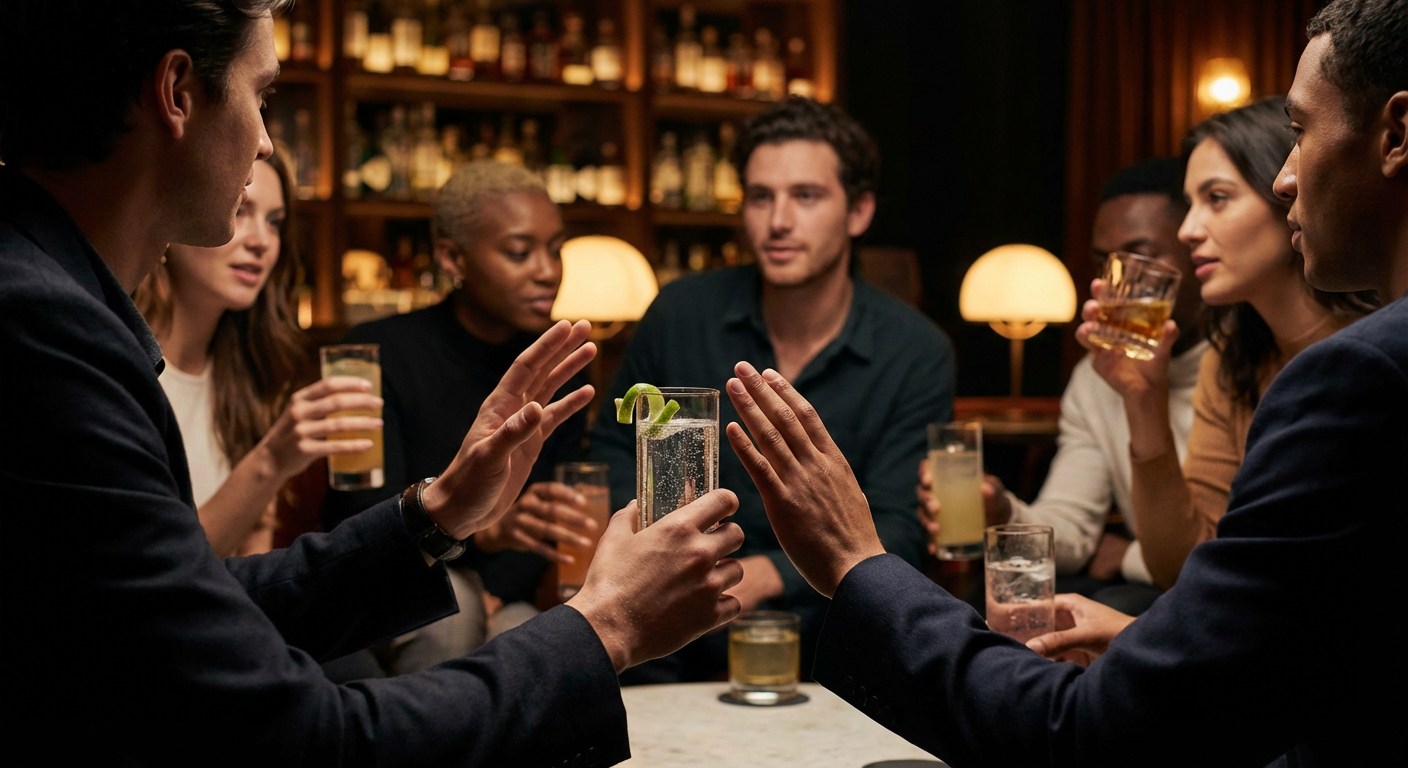
Why Consumer Behavior Actually Matters Here
You can ignore market reports if you want, but consumer behavior is harder to dismiss. In 2023, 34 percent of Americans aged 22 to 38 reduced their alcohol consumption. By 2025, that number jumped to 41 percent. That’s not a plateau. That’s acceleration. And these aren’t people quitting alcohol entirely. They’re moderating. They want good drinks on their own terms.
This demographic shift matters because it kills the old excuse that non-alcoholic spirits are just for people who don’t drink. They’re not. They’re for people making conscious choices about when and how much they drink. That’s a fundamentally different market proposition. It means bartenders need to care about quality because their customers care about quality. No more participation trophies.
The best bars in major cities responded. They didn’t just add a non-alcoholic option to their menu. They rebuilt their programs from the ground up, invested in technique, sourced ingredients with real specificity. They treated zero-proof cocktails as a legitimate creative challenge rather than a box to check.
The Quality Divide Is Real and It Matters
Here’s where I need to be blunt: not all non-alcoholic spirits are created equal. Seedlip was genuinely innovative in 2015. It deserves credit for that. But it’s 2026 now, and there are bottles that do what Seedlip does and then do several additional things better. The market has outpaced the pioneer.
The gap between cheap and quality non-alcoholic spirits comes down to the same factors that matter in any spirit category. Botanical sourcing. Maceration time. Distillation technique. Balance of flavor profile. A 30-dollar bottle of non-alcoholic gin will have sharper, more defined botanicals than a 15-dollar one. The base notes will be cleaner. The finish won’t leave that synthetic aftertaste that kills mediocre zero-proof drinks.
When you’re building a cocktail, those details compound. A well-made non-alcoholic spirit gives you actual foundation to work from. A cheap one forces you to over-correct with sugar or acid just to make it palatable. That’s when you end up with something that tastes like medicine. That’s also when people decide non-alcoholic spirits don’t work.
Cost matters, obviously. A bottle of quality non-alcoholic spirit runs 35 to 50 dollars. A bottle of quality gin runs 40 to 60. The math doesn’t justify skimping on price when the premium bars aren’t skimping on quality. If you’re going to invest in this category, invest properly.
What Bartenders Are Actually Pouring Right Now
The best bartenders in 2026 aren’t treating non-alcoholic spirits as a limitation to overcome. They’re treating them as a distinct ingredient category with their own potential. That means building different drinks, not just removing alcohol from existing recipes.
Aperitivo-style non-alcoholic spirits are having a moment because they actually have complexity to work with. Bitter, herbal, slightly sweet. Those flavors don’t disappear when you remove alcohol. If anything, they become more prominent. A bartender can build layered drinks around that profile in ways that feel completely different from a traditional cocktail. It’s not trying to taste like a martini. It’s trying to be its own thing.
The technical side matters too. The best bars think about dilution and temperature with the same rigor they apply to alcoholic drinks. Non-alcoholic spirits have different viscosity than their alcoholic counterparts. They don’t open up the same way on the palate. A bartender who understands that can compensate through technique: more dilution, different glassware, specific temperature targets. The details add up to actual flavor difference.
Age-stated and heavily oaked non-alcoholic spirits are emerging as a subcategory. They’re more expensive and not trying to mimic anything. They exist in their own lane, and the best cocktails made with them treat them accordingly. These are drinks you sip slowly. They have development. They’re worth your attention.
The Real Question Worth Asking
The non-alcoholic spirits market has matured past the phase where asking if they’re good is even the relevant question. The better question is: what are you looking for in a drink? If you want something that tastes like a gin and tonic but without the alcohol, you’re asking for the wrong thing. Zero-proof spirits aren’t meant to be perfect replicas. They’re meant to be their own experience.
The bars nailing this have figured out that distinction. They’re hiring bartenders who taste critically and know how to build flavor with what’s actually in the bottle, not what’s supposed to be there. They’re not embarrassed about it. They’re not apologizing. They’re just making good drinks.
If you’ve avoided non-alcoholic spirits because early versions left a bad impression, it’s worth revisiting the category. The gap between now and five years ago is significant. The gap between a 15-dollar bottle and a 40-dollar bottle is even more significant. What’s your experience been? Have you found anything worth drinking lately?