The Restaurant Kitchen Laboratory Where Trends Are Born
I’ve watched it happen dozens of times. A chef discovers something brilliant in a cramped kitchen at 2 AM, maybe a technique learned from their grandmother or a flavor combination that shouldn’t work but absolutely does. Six months later, every food blogger in the city is posting about it. Twelve months after that, it’s on chain restaurant menus with the soul stripped out.
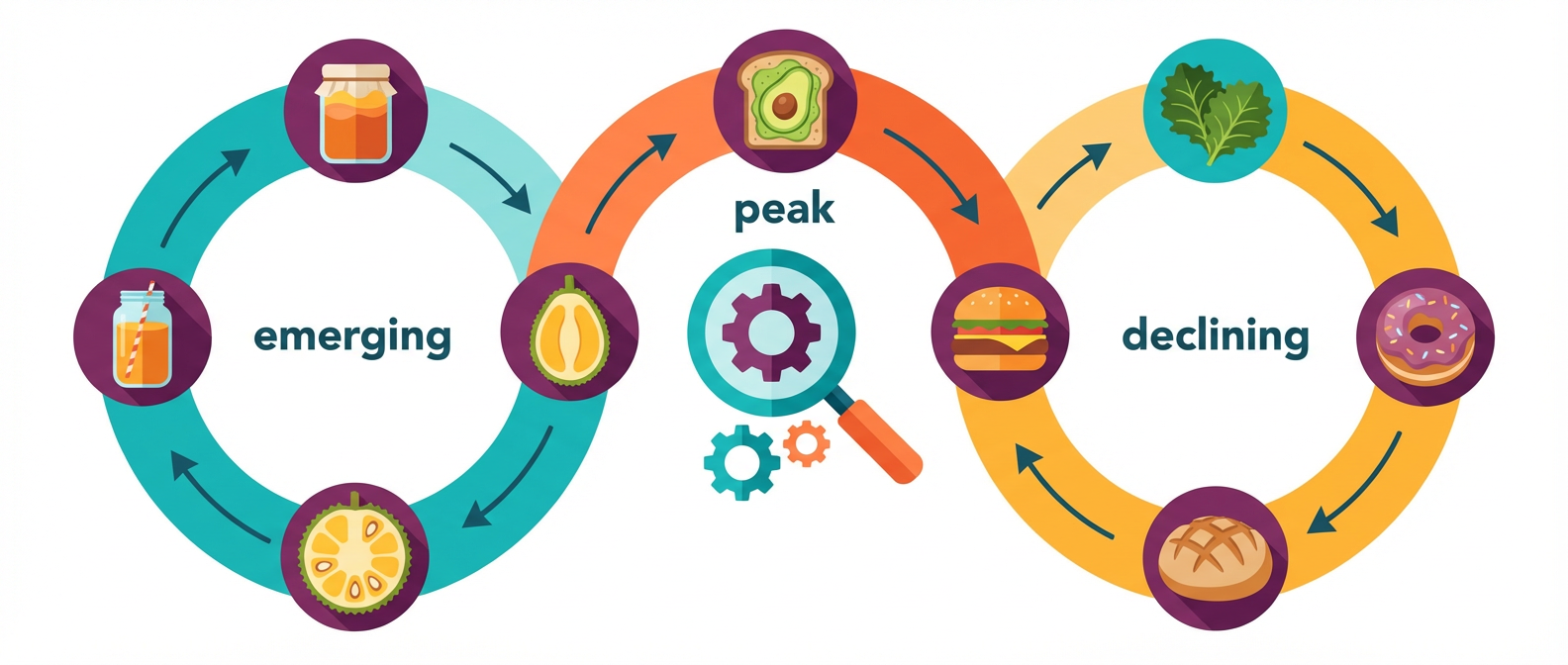
The food trend cycle follows the same brutal pattern every time. Innovation starts from necessity, spreads through communities that get it, gets turned into a commodity by people who don’t, then dies a slow death from oversaturation. I’ve been in enough professional kitchens to see both ends of this cycle. Understanding it explains why most “trendy” restaurants serve garbage while hidden gems cook circles around them.
Take Korean corn dogs, which blew up on American social media around 2020. The technique comes from Korean street food culture in the 1980s, where vendors perfected coating hot dogs in potato cubes or crushed ramen noodles. The original versions balanced sweet and savory with precision. They used specific potato varieties and oil temperatures that most American imitators completely ignore.

Migration Patterns and the Authentic Flavor Dilution
Every authentic dish carries DNA from its birthplace. Real ramen requires understanding how alkaline water affects gluten development. Proper Nashville hot chicken means knowing which peppers create heat without destroying flavor complexity. When these techniques travel, they either adapt intelligently or get bastardized beyond recognition.
The difference comes down to who’s doing the adapting. When immigrant communities modify their traditional foods, they’re making calculated adjustments based on available ingredients and local palates while preserving essential techniques. When corporate test kitchens reverse-engineer trending dishes, they’re optimizing for cost and shelf stability, not flavor integrity.
I’ve tasted both versions countless times. The Vietnamese bánh mì shops run by actual Vietnamese families understand how to balance pickled vegetables with protein fat content. The chain sandwich shops slapping “Asian fusion” on their menus just add sriracha to everything and call it authentic. The technical knowledge gap creates food that looks similar but tastes completely different.
This isn’t cultural gatekeeping. It’s quality control. When someone spends years perfecting a technique passed down through generations, they understand nuances that can’t be captured in a corporate recipe database. The migration of food traditions works best when it’s guided by people who actually understand what they’re translating.
The Social Media Amplification Effect
Instagram changed everything about how food trends spread, and not necessarily for the better. Dishes now get famous for being photogenic rather than delicious. I’ve seen restaurants redesign perfectly good plates just to make them more “grammable,” usually by adding unnecessary colors or height that actually makes the food worse to eat.
The algorithm favors visual drama over flavor complexity. A rainbow bagel gets a million views while a perfectly executed classic French omelet gets ignored. This creates twisted incentives where restaurants chase viral moments instead of building technique. The result is an industry full of style-over-substance cooking that looks great in photos but disappoints in reality.
Speed also kills quality during viral moments. When a dish goes viral, restaurants rush to add their version to the menu without taking time to understand the fundamentals. I’ve watched kitchens attempt Korean fried chicken without knowing proper double-frying techniques, then wonder why their version tastes like regular fried chicken with gochujang sauce dumped on top.
The platforms reward quick imitation over slow mastery. By the time a restaurant figures out how to execute a trending dish properly, the algorithm has moved on to the next viral food moment. This creates a cycle where mediocre versions of good ideas get the most exposure, while the original creators often get overshadowed by inferior copies with better social media strategies.
The Corporate Extraction Machine
Once venture capital discovers a food trend, the countdown begins. I’ve seen this pattern destroy everything from artisanal ice cream to craft brewing. The corporate playbook is always the same: identify successful local concepts, hire consultants to reverse-engineer the recipes, then scale production while cutting costs.
The first thing that disappears is ingredient quality. Hand-pulled noodles become machine-extruded pasta. Slow-fermented kimchi becomes quick-pickled cabbage with artificial flavors. Single-origin spices get replaced with generic blends optimized for consistency rather than complexity. Each substitution saves pennies per serving while destroying the fundamental character of the dish.
Technique suffers next. Corporate kitchens eliminate any step that requires skill or takes extra time. Proper bread fermentation gets replaced with chemical dough conditioners. Traditional smoking methods become liquid smoke applications. The cumulative effect transforms carefully crafted food into assembly-line products that share nothing but names with their inspirations.
This isn’t just about big corporations either. Independent restaurants feel pressure to compete on price and speed, leading them to make similar compromises. The market rewards restaurants that can deliver trending dishes quickly and cheaply, not those that take time to execute them properly. Quality becomes a luxury that fewer customers are willing to pay for.
Finding the Signal Through the Noise
The trends worth following are the ones driven by technique rather than novelty. Korean fermentation methods, Indian spice layering, Mexican masa preparation. These aren’t trends, they’re time-tested approaches that produce consistently excellent results. When you understand the fundamentals, you can spot the difference between innovation and imitation instantly.
Real food evolution happens in small kitchens run by people who understand both tradition and technique. They’re not trying to go viral. They’re trying to serve the best possible version of something they genuinely care about. These places typically have smaller menus, higher ingredient costs, and longer prep times. They also serve food that actually tastes better than whatever’s trending on social media.
The cycle will continue. New techniques will emerge from immigrant communities and underground food scenes, get discovered by food media, explode across social platforms, then get diluted by mass adoption. Understanding this pattern helps you recognize quality when you find it and avoid the inevitable disappointments that come from chasing whatever’s currently viral.
What trends have you watched get ruined by oversaturation? I’m always curious to hear from people who remember when their favorite dishes were still secrets worth keeping.