
The Honeymoon Phase Is Over
Remember when Beyond Meat was the darling of Wall Street and Impossible Burgers were the must-try novelty at every trendy restaurant? Those days are fading fast. The companies that rode the initial wave of plant-based enthusiasm are watching their revenues shrink after hitting pandemic peaks. What looked like a food revolution now feels more like a market correction.

The reality check was bound to happen. Early adopters paid premium prices for burgers that bled like beef and sausages that sizzled like pork. But once the novelty wore off, many consumers started asking harder questions. Why does this cost twice as much as ground beef? Why does the ingredient list read like a chemistry experiment? And honestly, does this actually taste better than what I was eating before?
For many people, the answer was a resounding no. The ultra-processed meat alternatives that dominated headlines and restaurant menus are hitting a wall. Sales growth has stalled. Some major chains have quietly pulled plant-based options from their menus. The hype machine has moved on, leaving behind a messier reality where actual food quality matters more than marketing buzz.
Whole Foods Beat Fake Meat
While companies scrambled to engineer the perfect beef replica, a quieter shift was happening in home kitchens. Whole food plant-based eating has been growing steadily, driven by people who want vegetables that taste like vegetables, not vegetables engineered to taste like animals.
This makes complete sense from a restaurant perspective. Chefs can work magic with jackfruit, tempeh, and thoughtfully prepared legumes in ways that highlight natural flavors and textures. These ingredients cost less than manufactured alternatives and often deliver way more satisfying results. I’ll take a well-seasoned black bean burger over a lab-created patty any day, especially when the price difference is this dramatic.
High-end restaurants have caught on. Instead of pushing expensive meat analogues as premium substitutes, innovative menus now showcase plant proteins in their own right. Tempeh gets fermented in-house, jackfruit receives careful spice treatment, and lentils become the star of sophisticated preparations. The Good Food Institute research backs up this trend toward ingredient-focused rather than product-focused plant-based dining.
The Flexitarian Majority
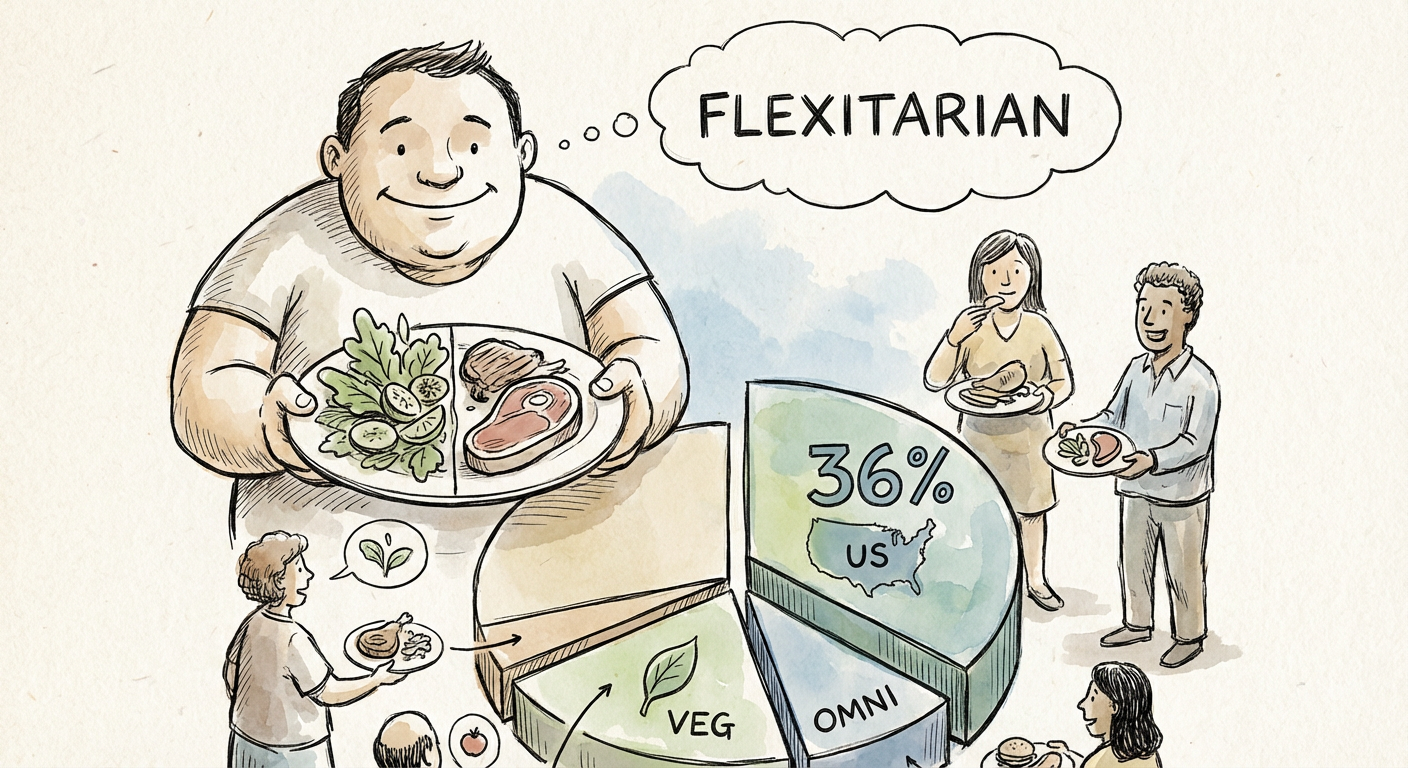
Here’s what might be the biggest development in plant-based eating: the rise of flexitarians. This group now represents 36 percent of American diners, making it the largest dietary identity in the country. These consumers eat plant-based meals regularly but don’t identify as vegetarian or vegan.
Flexitarians are refreshingly practical. They choose plant-based options when they taste good and offer good value, not because of rigid dietary rules. This creates real opportunities for restaurants that can deliver satisfying plant-forward dishes without the premium pricing that defined early meat alternatives.
The flexitarian approach also explains why simple preparations often win where complex manufactured products fail. A perfectly grilled portobello mushroom or a hearty grain bowl appeals to this audience more than an expensive burger substitute that tries too hard to mimic meat.
Technology Gets Practical
While consumer-facing meat alternatives struggle, behind-the-scenes innovation is delivering actual results. Precision fermentation technology now produces animal-free dairy proteins that compete on cost with traditional dairy. This matters because dairy alternatives have faced even bigger taste and texture challenges than meat substitutes.
Unlike the flashy burger patents that dominated early plant-based headlines, precision fermentation works quietly to solve real problems. The technology produces actual milk proteins without cows, creating possibilities for cheese, yogurt, and ice cream that perform like dairy products because they basically are dairy products, just produced differently.
This suggests we’re entering a more mature phase of plant-based innovation, focused on solving real problems rather than creating marketing moments. Food Navigator plant-based coverage shows how these B2B innovations are reshaping ingredient supply chains without requiring massive consumer education campaigns.
Schools Lead the Future
Some of the most promising plant-based developments are happening in school cafeterias across California and New York. These programs focus on nutrition, cost-effectiveness, and broad appeal rather than novelty. When you need to feed thousands of kids every day within tight budgets, gimmicks don’t cut it.
School food service teaches important lessons about scaling plant-based eating. Success depends on familiar flavors, reliable preparation methods, and ingredients that work within existing kitchen systems. The meals that work in schools often feature beans, grains, and vegetables prepared simply and seasoned well.
These programs also show how institutional buying power can drive positive change in food systems. Schools purchasing plant-based ingredients at scale create market demand that supports farmers and suppliers focused on sustainable agriculture. The ripple effects reach far beyond cafeteria trays.
The plant-based food world has matured beyond its initial hype cycle into something more useful and sustainable. Restaurants and consumers now have more options, better prices, and clearer information about what works and what doesn’t. The future belongs to the pragmatists who choose plants for flavor, value, and satisfaction rather than marketing promises. What plant-based dining experiences have impressed you lately, and what made them work?