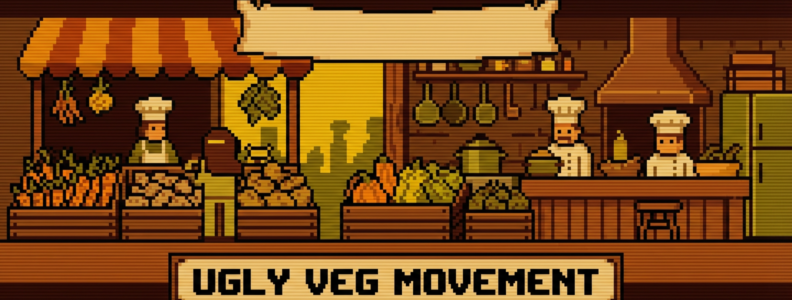
The Ugly Vegetable Revolution: How Smart Chefs Are Turning Farm Waste Into Fine Dining

The Numbers Don’t Lie: We’re Throwing Away Money and Food

Let’s start with the brutal truth. The USDA data from 2025 paints a picture that should make every chef, every grocer, and every home cook uncomfortable. Roughly 30 to 40 percent of the entire US food supply gets wasted annually. That’s not a rounding error. That’s a systemic failure. And here’s the part that stings most: imperfect produce alone accounts for 18.2 billion dollars in losses at the farm level every single year.

The Ugly Vegetable Revolution: How Smart Chefs Are Turning Farm Waste Into Fine Dining

I’ve spent enough time in restaurant kitchens to understand waste intimately. I’ve seen it in the walk-in coolers, on the cutting boards, in the compost bins. But farm-level losses? That’s heartbreaking on a different scale. A farmer grows a carrot that’s slightly bent, a tomato with an odd shape, a head of lettuce that’s a millimeter too small for wholesale standards. Perfect flavor. Perfect nutrition. Rejected. Plowed back into the soil.

The restaurant industry could have kept ignoring this. Instead, something shifted. A handful of chefs decided that food waste was an unacceptable cost of doing business. They started asking harder questions about their supply chains. They started cooking differently. And consumers, it turns out, were ready to listen.

Illustration for The Ugly Vegetable Revolution: How Smart Chefs Are Turning Farm Waste Into Fine Dining

From Grocery Shelves to Restaurant Tables: The Supply Chain Shift

The infrastructure for fighting food waste has grown teeth. Imperfect Pantry Rescued Produce Delivery recently reported 3.4 million active subscribers in Q4 2025, representing a 22 percent year-over-year increase. This company, born from a 2025 merger between Imperfect Foods and Misfits Market, has fundamentally changed what consumer-level food waste looks like. They’re not a fringe operation anymore. They’re approaching mainstream.

But here’s what matters more than subscriber numbers: the network effect. When millions of people start receiving imperfect produce at home, they start cooking with it. They start understanding that a gnarled carrot tastes identical to a supermarket-perfect one. They start questioning why their grocery stores don’t stock these items. And then they walk into a restaurant and see “Rescued Heirloom Tomato” on the menu, and something clicks. This isn’t a compromise. This is actually better sourcing.

The logistics work because producers, distributors, and chefs finally have aligned incentives. The farmer doesn’t want to waste. The distributor doesn’t want perfectly good food rotting. The chef doesn’t want to pay premium prices for cosmetic perfection. The customer doesn’t want to throw away money on vegetables that looked perfect but tasted like nothing.

Chef Dan Barber’s Blueprint: How Waste-Forward Cooking Actually Works

Dan Barber never stopped experimenting with waste as an ingredient. His WastED pop-up concept returned to Blue Hill at Stone Barns in January 2026, this time with a radical constraint: 100 percent of the menu sourced from USDA-rejected agricultural surplus. No pristine producers as backup. No compromise. Pure waste-forward cooking.

I’ve worked with rejected produce. I know what chefs face. A shipment of carrots deemed cosmetically unacceptable isn’t easier to cook with. It requires more knife work, more intentional technique, more creativity in how you present the final dish. Barber’s fixed-price menu meant no hiding behind a higher price point or justifying shorter portions. He had to make people pay for excellence created from what the system threw away.

That’s the real innovation here. It’s not about making the best of bad ingredients. It’s about recognizing that ingredients labeled “bad” are only bad because they don’t conform to arbitrary visual standards. The flavor is intact. The nutrition is intact. The potential is intact. What’s required is technique. It pushes chefs to get better. The customers eating at WastED experienced menus that matched or exceeded what they’d find at restaurants sourcing pristine produce at three times the cost.

This model is replicable because it’s honest. You’re not hiding the origin story of your ingredients. You’re making it central to who you are as a restaurant.

Consumer Demand Is Changing Faster Than Menus

A 2025 survey by the Food Waste Reduction Alliance asked American consumers directly: would you seek out a restaurant that prominently features rescued produce? Sixty-eight percent said yes. Not maybe. Yes. That’s the demand signal restaurants have been waiting for without realizing it.

This isn’t niche eating. This isn’t a trend. This is the actual preference of two-thirds of the American public, expressed clearly when given the option. Some of that is environmental consciousness. Some of that is the price sensitivity that’s persisted post-pandemic. But a substantial portion is simply that people care more about flavor and quality than they do about visual uniformity.

The European market reached this inflection point first. The EU’s Farm to Fork Strategy set binding waste reduction targets in 2025, requiring all member state restaurants to cut food waste by 30 percent by 2027. That’s not a suggestion. That’s regulation. It forced menu innovation at scale. The creativity that emerged from those constraints is now flowing back across the Atlantic, influencing how American chefs think about their sourcing and their plating.

Why This Matters for Your Grocery Bag and Your Dinner Table

The ugly vegetable movement isn’t primarily about making you feel better about buying misshapen produce. It’s about fundamentally changing what’s available to buy in the first place. When restaurants normalize rescued ingredients, when chefs prove through their cooking that these products deserve premium placement and premium prices, the entire supply chain recalibrates.

Check the USDA Food Loss and Waste Data 2025 yourself. Look at the numbers. Thirty to forty percent of what we grow doesn’t reach a plate. Some of that’s unavoidable. Some of it’s infrastructure and distribution challenges. But a growing slice of it is just cosmetic rejection that’s become tradition.

The restaurants leading this movement aren’t martyrs. They’re not sacrificing quality on the altar of sustainability. They’re cooking smarter, sourcing more strategically, and building menus that taste better because the ingredients are fresher and cheaper. They’re proving that constraints breed creativity. Waste-forward cooking isn’t a limitation. It’s an advantage.

Start paying attention to which restaurants are highlighting their produce sourcing. Try a delivery service that specializes in imperfect vegetables. Cook with ingredients that don’t look like the supermarket ideal. You’ll notice the difference immediately. The flavor is there. The only thing missing was the unnecessary perfection. Have you tried sourcing differently in your own kitchen, or are you still letting visual standards override actual quality?

Non-Alcoholic Spirits Have Finally Grown Up: Why Seedlip Isn’t Enough Anymore and What Bartenders Are Pouring in 2026

The Market Caught Up to the Hype

Five years ago, non-alcoholic spirits were a novelty. You ordered one at a bar and got a sympathetic nod from the bartender, who then disappeared to find a bottle gathering dust behind a stack of vermouths. Today? That same bartender has options. Real options. The global non-alcoholic spirits market exceeded 1.6 billion dollars in 2025, and according to IWSR No and Low Alcohol Beverage Report, the category is projected to grow at 8.1 percent annually through 2028. That’s not viral trend territory. That’s a structural market shift.

Non-Alcoholic Spirits Have Finally Grown Up: Why Seedlip Isn't Enough Anymore and What Bartenders Are Pouring in 2026
Non-Alcoholic Spirits Have Finally Grown Up: Why Seedlip Isn’t Enough Anymore and What Bartenders Are Pouring in 2026

What changed isn’t just the size of the market. It’s the sophistication. Major brands launched dozens of new expressions. Ghia raised 15 million dollars in Series B funding in early 2025 and immediately expanded into 3,000 additional bars and restaurants. Lyre’s now has 13 different spirit-style options on the menus of over 12,000 US bars and restaurants. These aren’t numbers that suggest experimental positioning anymore. This is infrastructure.

Even the cultural institutions noticed. The James Beard Foundation Awards 2026 introduced their first-ever dedicated category for Outstanding Bar Program – Zero Proof. When organizations that have shaped professional beverage culture for decades start handing out trophies for non-alcoholic bar programs, something has shifted permanently.

Illustration for Non-Alcoholic Spirits Have Finally Grown Up: Why Seedlip Isn't Enough Anymore and What Bartenders Are Pouring in 2026
Illustration for Non-Alcoholic Spirits Have Finally Grown Up: Why Seedlip Isn’t Enough Anymore and What Bartenders Are Pouring in 2026

Why Consumer Behavior Actually Matters Here

You can ignore market reports if you want, but consumer behavior is harder to dismiss. In 2023, 34 percent of Americans aged 22 to 38 reduced their alcohol consumption. By 2025, that number jumped to 41 percent. That’s not a plateau. That’s acceleration. And these aren’t people quitting alcohol entirely. They’re moderating. They want good drinks on their own terms.

This demographic shift matters because it kills the old excuse that non-alcoholic spirits are just for people who don’t drink. They’re not. They’re for people making conscious choices about when and how much they drink. That’s a fundamentally different market proposition. It means bartenders need to care about quality because their customers care about quality. No more participation trophies.

The best bars in major cities responded. They didn’t just add a non-alcoholic option to their menu. They rebuilt their programs from the ground up, invested in technique, sourced ingredients with real specificity. They treated zero-proof cocktails as a legitimate creative challenge rather than a box to check.

The Quality Divide Is Real and It Matters

Here’s where I need to be blunt: not all non-alcoholic spirits are created equal. Seedlip was genuinely innovative in 2015. It deserves credit for that. But it’s 2026 now, and there are bottles that do what Seedlip does and then do several additional things better. The market has outpaced the pioneer.

The gap between cheap and quality non-alcoholic spirits comes down to the same factors that matter in any spirit category. Botanical sourcing. Maceration time. Distillation technique. Balance of flavor profile. A 30-dollar bottle of non-alcoholic gin will have sharper, more defined botanicals than a 15-dollar one. The base notes will be cleaner. The finish won’t leave that synthetic aftertaste that kills mediocre zero-proof drinks.

When you’re building a cocktail, those details compound. A well-made non-alcoholic spirit gives you actual foundation to work from. A cheap one forces you to over-correct with sugar or acid just to make it palatable. That’s when you end up with something that tastes like medicine. That’s also when people decide non-alcoholic spirits don’t work.

Cost matters, obviously. A bottle of quality non-alcoholic spirit runs 35 to 50 dollars. A bottle of quality gin runs 40 to 60. The math doesn’t justify skimping on price when the premium bars aren’t skimping on quality. If you’re going to invest in this category, invest properly.

What Bartenders Are Actually Pouring Right Now

The best bartenders in 2026 aren’t treating non-alcoholic spirits as a limitation to overcome. They’re treating them as a distinct ingredient category with their own potential. That means building different drinks, not just removing alcohol from existing recipes.

Aperitivo-style non-alcoholic spirits are having a moment because they actually have complexity to work with. Bitter, herbal, slightly sweet. Those flavors don’t disappear when you remove alcohol. If anything, they become more prominent. A bartender can build layered drinks around that profile in ways that feel completely different from a traditional cocktail. It’s not trying to taste like a martini. It’s trying to be its own thing.

The technical side matters too. The best bars think about dilution and temperature with the same rigor they apply to alcoholic drinks. Non-alcoholic spirits have different viscosity than their alcoholic counterparts. They don’t open up the same way on the palate. A bartender who understands that can compensate through technique: more dilution, different glassware, specific temperature targets. The details add up to actual flavor difference.

Age-stated and heavily oaked non-alcoholic spirits are emerging as a subcategory. They’re more expensive and not trying to mimic anything. They exist in their own lane, and the best cocktails made with them treat them accordingly. These are drinks you sip slowly. They have development. They’re worth your attention.

The Real Question Worth Asking

The non-alcoholic spirits market has matured past the phase where asking if they’re good is even the relevant question. The better question is: what are you looking for in a drink? If you want something that tastes like a gin and tonic but without the alcohol, you’re asking for the wrong thing. Zero-proof spirits aren’t meant to be perfect replicas. They’re meant to be their own experience.

The bars nailing this have figured out that distinction. They’re hiring bartenders who taste critically and know how to build flavor with what’s actually in the bottle, not what’s supposed to be there. They’re not embarrassed about it. They’re not apologizing. They’re just making good drinks.

If you’ve avoided non-alcoholic spirits because early versions left a bad impression, it’s worth revisiting the category. The gap between now and five years ago is significant. The gap between a 15-dollar bottle and a 40-dollar bottle is even more significant. What’s your experience been? Have you found anything worth drinking lately?

Why That “Authentic” Thai Restaurant Is Probably Lying to You

The Curry Powder Problem

Last Tuesday, I watched a cook at a supposed “authentic” Thai restaurant dump pre-mixed curry powder into a wok with coconut milk from a can. The menu proudly advertised “traditional family recipes from Bangkok.” The cook was from El Salvador. Nothing wrong with that, but let’s call it what it is: fusion food pretending to be authentic cuisine.

Real Thai curry pastes need mortar and pestle work. Green curry needs fresh Thai chilies, galangal, lemongrass, kaffir lime zest, and shrimp paste ground to the right consistency. It takes twenty minutes of manual labor. Most restaurants skip this because it’s expensive and time-consuming. They use jarred paste or powder and hope you don’t taste the difference.

The Economics of Authenticity

Authenticity costs money. Real Italian San Marzano tomatoes cost four times more than standard canned tomatoes. Proper Spanish bomba rice for paella runs about twelve dollars per pound versus two dollars for regular short-grain rice. Restaurants face a choice: authentic ingredients with thin margins or substitutions with healthy profits.

I’ve seen Mexican restaurants use Monterey Jack instead of Oaxaca cheese, calling their quesadillas “traditional.” The texture is wrong, the melting point is different, and the flavor profile shifts completely. But Oaxaca cheese requires special ordering, costs more, and has a shorter shelf life. The business math is simple even if it destroys the authenticity.

The worst offenders are upscale establishments charging premium prices while cutting corners on core ingredients. A twenty-eight-dollar “authentic” bouillabaisse made with frozen fish and saffron extract? That deserves nothing but scorn.

Regional Variations Versus Outright Fiction

Not all deviation from traditional recipes is fraud. Regional cuisines evolve naturally through migration and ingredient availability. Italian-American red sauce differs from Neapolitan marinara because Italian immigrants in the early 1900s had access to different tomatoes and cooking facilities.

The problem starts when restaurants claim absolute authenticity while serving American adaptations. Chinese-American orange chicken has legitimate cultural roots in Chinese-American communities. It becomes fraudulent when presented as “traditional Szechuan cuisine.” The dish doesn’t exist in Szechuan province.

Smart restaurants acknowledge their inspirations honestly. Mission Chinese Food in San Francisco serves Chinese-American fusion and owns it completely. Their mapo tofu uses American ingredients but respects the fundamental cooking techniques. This approach shows respect for both traditions and innovation.

The Training Gap

Many authenticity failures stem from inadequate kitchen training rather than deliberate deception. I’ve interviewed line cooks who genuinely believe they’re making authentic dishes because that’s what they were taught by previous untrained cooks. The knowledge breaks down slowly.

Real Indian curry houses employ cooks who learned from their mothers or trained in restaurant kitchens in Mumbai or Delhi. They understand the timing for tempering spices, the difference between various lentil preparations, and why certain combinations work. Restaurants staffed by culinary school graduates with good intentions but no cultural connection often miss these details.

The service side contributes to the problem too. Servers who can’t pronounce menu items correctly or explain basic preparation methods signal kitchen knowledge gaps. When your server calls pho “foe” instead of “fuh,” question everything else about that Vietnamese restaurant’s authenticity claims.

What Consumers Can Actually Control

Stop rewarding fake authenticity with your money. Research basic ingredients and techniques for cuisines you care about. Real ramen broth requires twelve to twenty-four hours of cooking time. If a restaurant serves you ramen in five minutes during lunch rush, they’re using powder or concentrate.

Ask specific questions about sourcing and preparation. Good restaurants welcome ingredient discussions. Evasive answers or irritated responses usually indicate corner-cutting. Request modifications that reveal cooking methods. Ask for extra spice in your Thai curry. If it arrives instantly, they’re adding hot sauce instead of adjusting the curry paste ratio.

Support restaurants owned and operated by people from the cuisine’s origin culture. This isn’t about ethnic gatekeeping. It’s about supporting businesses with genuine cultural knowledge and ingredient connections. These restaurants typically source better ingredients and maintain proper techniques because the food matters personally to the owners.

Consider whether your expectations match reality. Authentic Italian pasta should feel slightly firm when you bite it. If you prefer mushy noodles, order what you enjoy but don’t demand authenticity. Many cuisines include flavors and textures that differ significantly from American adaptations.

The Real Cost of Fake Authenticity

The authenticity debate goes beyond personal dining disappointment. When restaurants misrepresent cultural cuisines, they often undercut businesses that invest in proper ingredients and techniques. The Mexican place using pre-shredded cheese can charge less than the restaurant making fresh queso fresco daily.

This creates a race to the bottom that hurts everyone. Consumers lose access to genuine flavors. Authentic restaurants struggle financially. The cultural knowledge disappears slowly as shortcuts become industry standard.

What specific techniques or ingredients do you use to evaluate authenticity when trying new restaurants? The details matter more than the marketing claims.

Why Your $200 Chef’s Knife Isn’t Fixing Your Knife Skills (And What Will)

The Expensive Equipment Trap

Last week, a line cook showed me his brand-new Kramer Damascus steel knife—$340 of absolute artistry that he was using like a baseball bat on tomatoes. The blade was chipped in three places, and he couldn’t understand why his cuts looked like they’d been gnawed by a beaver. This is the equipment fallacy that plagues home kitchens: believing that premium tools automatically elevate your cooking.

After fifteen years working brigade systems from Seattle to Charleston, I’ve watched countless cooks blame their tools for technique problems. The truth cuts deeper than any blade. Your $40 Victorinox Fibrox will outperform that Damascus steel if you know how to sharpen it properly and maintain the edge. Equipment doesn’t make the cook. Understanding your tools does.

The Three Knives That Actually Matter

Forget the knife block sets. Professional kitchens run on three blades: an 8-inch chef’s knife, a 3-inch paring knife, and a serrated bread knife. I’ve tested dozens of options. The Wüsthof Classic 8-inch consistently delivers the best balance of edge retention, comfort, and repairability. The full tang construction means it won’t snap under pressure, and the German steel takes a sharp edge that holds through a full dinner service.

For paring work, the Opinel No. 4 carbon steel knife costs $15 and embarrasses blades ten times its price. The high-carbon edge gets scary sharp and stays that way with minimal maintenance. Yes, it will patina and require more care than stainless steel, but that’s the trade-off for superior cutting performance. The locking ring mechanism has survived a century of abuse in French kitchens for good reason.

Bread knives are where most people waste money on wavy-edged nonsense. The Tojiro bread slicer uses a straight serrated edge that actually cuts through crusty loaves instead of tearing them apart. At $60, it costs less than half what Williams Sonoma charges for inferior German alternatives.

Cast Iron Reality Check

Lodge cast iron skillets have become the darling of food bloggers who’ve never worked a real sauté station. Here’s what they don’t tell you: the rough surface texture on new Lodge pans creates hot spots and uneven browning that no amount of seasoning will fix completely. I’ve put both Lodge and vintage Griswold pans through identical protein searing tests, and the difference is measurable. We’re talking three degrees variance across the cooking surface on the Lodge versus less than one degree on the machined Griswold.

If you’re committed to cast iron, spend the extra $40 for a Field Company skillet. Their smooth machined surface performs like vintage iron without the antique hunt. The lighter weight means faster temperature response and less arm fatigue during extended cooking sessions. I’ve used mine for everything from cornbread to duck confit, and the even heat distribution rivals my commercial-grade carbon steel pans.

Thermometer Truth

Instant-read thermometers separate confident cooks from nervous ones, but most home versions lie. The popular ThermaPen reads accurately but takes 3-4 seconds to stabilize. That’s an eternity when you’re checking multiple steaks on a busy grill. The ThermoWorks Thermapen ONE gives accurate readings in under one second and maintains calibration through thousands of uses.

For larger roasts and whole birds, probe thermometers are essential. Skip the wireless models with smartphone apps. They’re unreliable and overcomplicated. The ChefAlarm from ThermoWorks uses a simple probe and base unit system that has never failed me in five years of testing. Set your target temperature, walk away, and trust the alarm. I’ve used it for everything from 16-hour pork shoulders to prime rib, and the accuracy remains within one degree of laboratory standards.

The Cutting Board Investment

Wooden cutting boards require maintenance that most home cooks won’t commit to, despite what Instagram chefs claim. Plastic boards harbor bacteria in knife scores. Glass boards destroy knife edges on contact. The solution sits in the middle: Epicurean composite boards made from compressed wood fibers and food-safe resin.

These boards cut like wood but clean like plastic. They’re dishwasher safe, won’t harbor bacteria, and won’t dull your knives like bamboo alternatives do. I’ve used the same Epicurean board for three years of daily prep work, and it shows minimal wear while maintaining its cut-friendly surface. The investment pays for itself in knife sharpening costs alone.

Here’s what I’ve learned from years of equipment testing: finding the perfect tool isn’t the point. Understanding why certain designs work better than others is. Sharp techniques matter more than sharp marketing. What tools have you been blaming for technique problems in your own kitchen?

The $47 Billion Plant-Based Meat Collapse: Why Smart Money Is Betting on Fermentation

The Numbers Don’t Lie: Plant-Based Meat’s Epic Failure

Beyond Meat’s stock cratering 78% in 2025 tells the whole story. Sales plummeted to $343 million as consumers finally admitted what kitchen professionals knew all along: these products taste like cardboard wrapped in marketing budgets. I’ve watched restaurants struggle to move Beyond burgers even with aggressive pricing. The texture falls apart on the grill. The flavor profile screams “processed.” The ingredient list reads like a chemistry experiment.

The $47 Billion Plant-Based Meat Collapse: Why Smart Money Is Betting on Fermentation

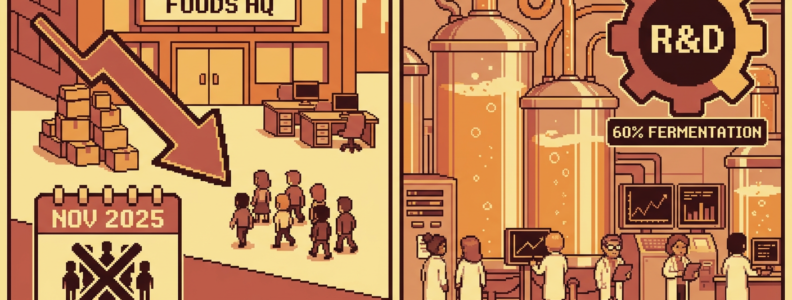
Impossible Foods got the message loud and clear. They axed 340 employees in November 2025 and pivoted hard, shifting 60% of their R&D budget toward fermentation technology. Smart move. When a company that raised hundreds of millions admits their core product isn’t working, you listen. The writing was on every restaurant wall where these patties sat unsold under heat lamps.

The broader market data confirms what any chef worth their salt could have predicted. Good Food Institute’s 2026 alternative protein report shows plant-based meat sales declined 41% while fermented proteins exploded 312%. That’s not a trend. That’s a complete market realignment.

Why Plant-Based Meat Never Stood a Chance

Here’s the brutal truth from someone who’s broken down hundreds of protein sources: plant-based meat companies tried to fake their way through fundamental food science. They took pea protein, potato starch, and coconut oil, then added methylcellulose and artificial flavors to mimic beef. The result? Expensive disappointment that falls apart when you actually cook with it.

The texture problem is insurmountable. Real meat gets its structure from interconnected muscle fibers. Plant proteins don’t bind the same way, no matter how much gum and starch you add. I’ve tested these products in professional kitchens. They don’t brown properly. They release weird amounts of water. They develop an off-putting rubbery texture that screams “fake food” to anyone with functioning taste buds.

Cost became the final nail in the coffin. Beyond burgers retail for $8.99 per pound while ground chuck sits at $5.99. Restaurant margins couldn’t justify the premium when customers weren’t reordering. The value proposition collapsed because the product never delivered on its basic promise: tasting good.

Fermentation: The Technology That Actually Works

Fermentation is everything plant-based meat pretended to be: innovative, scalable, and actually delicious. Companies like Perfect Day proved the concept by engineering yeast to produce real dairy proteins without cows. Their fermented whey protein saw 445% growth in food service applications because it performs exactly like traditional dairy in professional kitchens.

The science makes sense. Fermentation creates actual proteins with proper molecular structures, not approximations cobbled together from plant fragments. Perfect Day’s fermentation growth data shows how precision fermentation delivers consistent quality at scale. When you engineer microorganisms to produce specific proteins, you get reliable results every single time.

MycoTechnology cracked the code with mushroom-based proteins that actually enhance flavor instead of masking it. They landed contracts with 23 major restaurant chains in Q1 2026 because their products solve real kitchen problems. Their fermented proteins add umami depth while providing complete amino acid profiles. That’s the kind of functionality that keeps chefs coming back.

The Economics of Better Food Science

Fermentation economics blow plant-based meat out of the water. Production costs drop dramatically when you’re not processing tons of raw plant material through complex mechanical systems. Fermentation tanks require smaller footprints and produce higher yields per square foot than traditional protein processing facilities.

Quality control becomes predictable. Batch consistency improves when microorganisms follow programmed biological processes instead of relying on agricultural variables like weather, soil conditions, and harvest timing. Restaurants prize consistency above almost everything else. Fermented proteins deliver it.

The supply chain advantages are massive. Fermentation facilities can be located anywhere, eliminating transportation costs and storage complications that plague plant-based meat companies. No more shipping frozen patties across continents or managing complex cold storage networks that eat into already thin margins.

What This Means for Your Kitchen and Wallet

The fermentation revolution is already hitting restaurant menus and grocery shelves. Smart food companies are pivoting away from expensive plant-based meat alternatives toward fermented proteins that actually improve dishes instead of just replacing ingredients. You’re seeing mushroom-fermented umami boosters, precision-fermented dairy proteins, and engineered flavor compounds that enhance rather than substitute.

For home cooks, this shift means better products at better prices. Fermented proteins integrate into existing recipes without the weird texture compromises that made plant-based meat such a kitchen nightmare. You can actually cook with these ingredients using normal techniques and get predictable results.

The $47 billion plant-based meat bubble taught the food industry a lesson: consumers won’t accept inferior products just because they align with environmental values. Fermentation delivers on both fronts, providing sustainable protein sources that actually taste good and perform properly in real kitchens.

Have you tried any fermented protein products yet? I’m curious about your experiences with these newer alternatives compared to the plant-based meat products that dominated headlines for the past few years.

Why Your Favorite “New” Restaurant Technique Is Actually From 1987

The Maillard Reaction Behind Menu Amnesia

Walk into any trendy restaurant today and watch the server describe their “innovative” wood-fired vegetables with the breathless excitement of someone announcing a cure for cancer. I’ve seen this exact technique—charring vegetables over live flame until the sugars caramelize into complex, smoky compounds—in professional kitchens since the late 1980s. The Maillard reaction doesn’t care about your Instagram feed or your restaurant’s opening date.

Food trends operate on a predictable 15-20 year cycle, driven not by culinary innovation but by collective memory loss. What feels revolutionary to a 28-year-old line cook was standard practice when they were in elementary school. The techniques haven’t changed. The proteins denature at the same temperatures. The emulsions break under identical conditions. Only the marketing language changes.

This amnesia creates opportunities for restaurants to repackage established techniques as breakthrough concepts. Sous vide cooking, now treated as cutting-edge molecular gastronomy, was developed in 1974 for industrial food preservation. The science remains constant: precise temperature control prevents protein overcooking by eliminating temperature gradients. Yet every menu description acts like they invented controlled thermal cooking last Tuesday.

The Fermentation Renaissance That Never Left

Fermentation shows this cyclical blindness perfectly. Kimchi, miso, and aged cheeses have sustained civilizations for millennia, but suddenly every chef with a Mason jar considers themselves a fermentation pioneer. The lactobacillus bacteria converting sugars to lactic acid don’t recognize trend cycles—they’ve been doing this work since before restaurants existed.

I remember when David Chang started serving kimchi at Momofuku in 2004, food writers proclaimed Korean fermentation as revolutionary fusion. Korean grandmothers laughed. They’d been perfecting these techniques for generations, understanding instinctively how salt concentration affects bacterial growth rates and how temperature control determines flavor development.

The current obsession with house-made everything reflects this same pattern. Restaurants now ferment their own hot sauces, cure their own meats, and age their own cheeses with the pride of explorers discovering new continents. Meanwhile, traditional producers who never stopped doing this work watch with bemusement as their centuries-old methods get rebranded as innovation.

Molecular Gastronomy’s Predictable Arc

The molecular gastronomy movement followed the standard trend progression with mathematical precision. Ferran Adrià’s El Bulli introduced techniques like spherification and gelification to fine dining in the 1990s. By 2010, every ambitious restaurant had at least one dish with caviar pearls made from sodium alginate and calcium chloride solutions.

The backlash arrived right on schedule. Food writers declared molecular gastronomy pretentious and soulless. Restaurants pivoted to “rustic” and “authentic” cooking. Yet the underlying chemistry never disappeared—it just moved backstage. Modern kitchens still use transglutaminase to bind proteins, liquid nitrogen for rapid texture changes, and hydrocolloids for sauce consistency.

Now we’re seeing the comeback phase. Young chefs discover these techniques through cooking school or YouTube tutorials, believing they’re pioneering new frontiers. The cycle completes itself as yesterday’s innovation becomes tomorrow’s rediscovery. The calcium-sodium ion exchange creating those caviar pearls works identically whether it’s 2005 or 2024.

The Economics of Culinary Amnesia

This trend cycle has economic purposes beyond mere forgetfulness. Restaurants need differentiation to justify premium pricing. Claiming innovation provides that differentiation, even when the underlying techniques predate the chef’s birth. A $38 steak tastes more palatable when described as utilizing “revolutionary dry-aging techniques” rather than “the same method every steakhouse has used since 1885.”

Food media amplifies this cycle by rewarding novelty over excellence. Writers need fresh angles for articles. Editors demand trends to analyze. The restaurant serving perfect French onion soup using classical techniques generates fewer clicks than the place making “deconstructed allium essence with gruyere caviar spheres.” Both achieve the same goal—transforming onions and cheese through heat and time—but only one sounds revolutionary.

Ingredient sourcing follows identical patterns. “Farm to table” gets rediscovered every generation, even though restaurants sourcing locally was standard practice before industrial food distribution. Heritage breed pork commands premium prices while tasting virtually identical to commodity pork raised with proper technique. The marketing story sells better than the actual flavor improvement.

Breaking Free From the Cycle

Recognizing these patterns doesn’t make them less effective. Understanding why trends recycle helps identify genuine innovation from repackaged classics. Real advancement happens through small improvements—better temperature control, refined fermentation timing, improved ingredient quality—not revolutionary techniques.

The best restaurants accept this reality rather than fighting it. They execute established techniques with exceptional skill while acknowledging their debt to culinary history. Thomas Keller didn’t invent braising, but his mastery of moisture control and temperature regulation produces superior results through refined execution of fundamental principles.

Next time a server breathlessly describes their chef’s “innovative” cooking method, ask yourself whether the underlying science sounds familiar. Chances are, you’ve encountered this technique before, just packaged differently. The proteins still denature. The sugars still caramelize. The only thing that truly changes is the story we tell ourselves about discovery.

Why Your Dinner Party Wine Pairings Fall Flat (And How to Actually Fix Them)

The Dinner Party Disaster I See Every Weekend

Last Saturday, I watched a perfectly executed duck confit get murdered by a glass of Malbec. The host had spent three hours getting the duck skin crackling and the meat fall-apart tender, then grabbed the heaviest red wine on their rack. The tannins steamrolled the delicate gaminess while the wine’s fruit fought against the herbs de Provence. Both the duck and the Malbec deserved better.

This scene plays out in dining rooms across the country every weekend. Home cooks nail the technique but stumble at the finish line because they treat wine pairing like an afterthought. The fix isn’t complicated, but it requires understanding why certain combinations work at a molecular level.

Weight Matching Trumps Color Rules

Forget the “red wine with red meat” nonsense your uncle taught you. Weight matching creates harmony between food and wine. A delicate sole meunière needs a wine with similar lightness. Think Sancerre or Chablis. The bright acidity cuts through the butter without overwhelming the fish’s subtle sweetness. Pour a Chardonnay from Paso Robles, and you’ll taste nothing but oak and alcohol.

I’ve served rabbit ragu with Pinot Noir from Oregon’s Willamette Valley dozens of times. The wine’s earthy undertones complement the gaminess while its moderate tannins support without competing. Try the same dish with Cabernet Sauvignon, and the wine’s power crushes the rabbit’s nuanced flavors. The dish becomes one-dimensional.

For spirits, this principle holds even stronger. A 15-year Macallan will obliterate any food you pair it with except the richest chocolate desserts or aged cheeses. Save the expensive whisky for after dinner. During the meal, reach for something like Rittenhouse Rye in an Old Fashioned. The spice complements grilled meats without overwhelming them.

Acidity Creates the Bridge

Acidity in wine works like salt in cooking. It brightens flavors and creates balance. When I’m developing a pairing for fatty dishes, I always start with high-acid wines. The acidity cuts through richness and cleanses the palate between bites. Classic example: Champagne with oysters. The wine’s crisp acidity and mineral notes enhance the oyster’s brininess without masking its oceanic sweetness.

For tomato-based dishes, high-acid wines are non-negotiable. I learned this lesson the hard way during my years running the wine program at a Roman trattoria. We served a simple spaghetti al pomodoro that destroyed every low-acid wine we tried. Chianti Classico worked perfectly. Its bright acidity matched the tomatoes’ tartness while the wine’s herb notes echoed the fresh basil.

With spirits, acidity comes through citrus garnishes and mixers. A Negroni works with charcuterie because the Campari’s bitter notes play against fatty salami while the sweet vermouth provides balance. The orange garnish adds just enough acid to keep everything bright. Skip the garnish, and the drink becomes muddy against rich foods.

Tannins Need Fat and Protein

Tannins bind to proteins and fats, which is why tannic wines taste harsh on their own but shine with the right food. This is basic chemistry, not wine mysticism. When you sip a young Barolo without food, the tannins make your mouth feel dry and puckered. Pair that same wine with a ribeye steak, and the meat’s fat and protein neutralize the tannins, revealing the wine’s fruit and complexity.

I’ve seen too many people serve tannic wines with fish or vegetarian dishes where there’s insufficient protein to soften the tannins. The result tastes medicinal and unpleasant. If you’re committed to red wine with salmon, choose something low in tannins like Beaujolais or Loire Valley Cabernet Franc. These wines have enough structure to complement the fish without overwhelming it.

For spirits, tannins appear in aged brown liquors and some amaros. An Islay Scotch’s smokiness and tannins pair beautifully with grilled lamb because the meat’s fat mellows the whisky’s intensity while its char echoes the peat smoke. Serve that same Scotch with delicate shellfish, and you’ll taste nothing but smoke and medicinal flavors.

Sweetness Requires Careful Calibration

Sweetness in beverages can either complement or destroy a dish, depending on how you handle it. The cardinal rule: your wine or cocktail should be as sweet or sweeter than your food. Serve a dry Riesling with apple tart, and the wine tastes thin and sour. The dessert’s sweetness makes the wine seem more acidic than it actually is.

But sweetness isn’t just about dessert pairings. Off-dry Riesling works brilliantly with spicy Thai food because the wine’s residual sugar balances the heat while its acidity cuts through coconut milk richness. I’ve served this combination countless times, and it never fails to surprise diners who expect only dry wines with savory food.

In cocktails, sweetness manipulation creates sophisticated pairings. A Paper Plane cocktail (equal parts bourbon, Aperol, Amaro Nonino, and lemon juice) works perfectly with duck breast because the drink’s balanced sweetness doesn’t compete with the meat’s natural flavors while the amaro’s bitterness provides contrast.

Building Your Pairing Intuition

Start thinking about pairing as flavor architecture rather than following rigid rules. Taste your dish, identify its dominant characteristics (fat content, acidity level, sweetness, spice heat), then choose beverages that either complement or provide deliberate contrast to those elements.

Keep a tasting journal. Note what works and what doesn’t, but more importantly, note why. When that Sancerre perfectly complemented your goat cheese salad, was it the wine’s mineral notes echoing the cheese’s tang, or its crisp acidity cutting through the olive oil? Understanding the mechanism helps you replicate success with different combinations.

The next time you’re planning a dinner party, taste your menu components before choosing wines or cocktails. This simple step will save you from serving mismatched combinations that diminish both food and drink. Your guests will notice the difference, even if they can’t articulate why everything tastes better together.

Why Your Winter Menu Is Probably Lying About Its Ingredients

The Tomato That Traveled 2,000 Miles in January

Last week, I watched a server at a farm-to-table restaurant enthusiastically describe their “seasonal winter tomato salad” to a table of eager diners. The tomatoes were pale, mealy, and clearly shipped from a greenhouse operation somewhere warm. The cognitive dissonance was painful. If you’re going to claim seasonal sourcing, you need to understand what seasons actually mean for ingredients.

Real seasonal sourcing isn’t just about marketing buzzwords. It’s about understanding plant biology, soil chemistry, and the basic relationship between flavor development and environmental stress. A tomato grown in December under artificial lights lacks the concentrated sugars and acids that develop when the plant experiences natural temperature swings and changing daylight hours.

The Science Behind Seasonal Flavor Concentration

When plants face environmental stress during their natural growing season, they produce higher concentrations of flavor compounds as a survival mechanism. Root vegetables like carrots and parsnips convert starches to sugars when exposed to frost, creating the sweet, earthy flavors we associate with winter cooking. This process, called cold sweetening, literally can’t be replicated in controlled greenhouse environments.

I’ve tasted carrots pulled from frozen ground in February alongside their greenhouse counterparts harvested the same week. The difference is dramatic. The field carrots have concentrated sweetness and a mineral complexity that greenhouse versions lack entirely. The cellular structure is different too. Field-grown winter vegetables have thicker cell walls that hold up better under heat, making them superior for braising and roasting.

This is why truly seasonal menus taste better. Chefs who understand this science build their dishes around these natural flavor peaks instead of fighting against them.

The Hidden Costs of Forced Availability

The environmental math of out-of-season sourcing is brutal. Those January strawberries on your dessert menu required heated greenhouses, artificial lighting, and likely traveled thousands of miles. The carbon footprint of winter berries can be ten times higher than their summer counterparts. But the real crime is how they taste.

Strawberries develop their characteristic balance of sweetness and acidity through exposure to varying temperatures during ripening. Greenhouse strawberries, grown under consistent conditions, lack this complexity. They’re often picked underripe for shipping, then never develop the enzyme activity that creates proper strawberry flavor. You’re paying premium prices for an inferior product while claiming environmental consciousness.

I’ve worked with suppliers who offered me “local” greenhouse tomatoes in March for three times the price of quality canned San Marzanos. The canned tomatoes, processed at peak ripeness in summer, delivered better flavor and lower environmental impact. Sometimes the most sustainable choice isn’t the most obvious one.

Real Seasonal Sourcing Strategies That Actually Work

Effective seasonal sourcing requires planning six months ahead. I start winter menu development in August, working with farmers to understand what they’re planting for cold-weather harvest. Root vegetables need to be in the ground by late summer to develop properly. Brassicas like Brussels sprouts and kale actually improve after exposure to frost, but only if they’re planted with enough time to mature before cold hits.

Storage crops are the backbone of honest winter cooking. Apples held in proper cold storage maintain their cellular integrity for months without losing nutritional value. Hard squashes like butternut and kabocha develop concentrated flavors during curing and storage. These aren’t compromises. They’re ingredients at their peak.

The key is understanding preservation science. Fermentation, curing, and proper storage techniques allow you to capture peak-season flavors and extend them naturally. A properly fermented kraut made from October cabbage will have more complex flavor in February than any fresh cabbage available that month.

The Ethics of Honest Menu Writing

Menu descriptions carry responsibility. When you write “seasonal vegetables,” diners expect ingredients that are actually in season locally. This isn’t about rigid dogma. It’s about honest representation and understanding what seasonal sourcing actually means.

Some of the best seasonal menus I’ve seen embrace limitations creatively. A winter menu heavy on preserved, fermented, and stored ingredients tells a more honest story about place and time than one trying to recreate summer in December. Chefs who master this approach develop deeper technical skills and create more distinctive food.

The most ethically questionable trend I see is restaurants claiming local sourcing while relying heavily on distributors who mix local and distant products. True transparency means knowing exactly where each ingredient comes from and being honest about trade-offs when local options aren’t available.

Next time you’re planning a seasonal menu, consider this: What would happen if you completely eliminated out-of-season ingredients for three months? The constraints might force you to discover techniques and flavors you never would have explored otherwise. The results might surprise you with their depth and authenticity.

Why Your “Authentic” Carbonara Recipe is Probably Wrong (And How to Fix It)

The Authentication Problem That’s Eating Our Kitchens

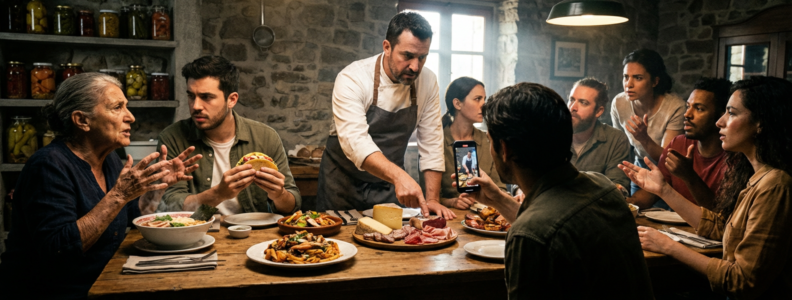
Walk into any food forum or scroll through recipe comments and you’ll find the same tired argument playing out: someone posts their grandmother’s carbonara recipe, and within minutes, the authenticity police arrive with torches blazing. “Real carbonara doesn’t have cream!” they cry. “Pecorino Romano or death!” others shout back. Meanwhile, home cooks stand paralyzed in their kitchens, wondering if using bacon instead of guanciale makes them culinary criminals.

Why Your "Authentic" Carbonara Recipe is Probably Wrong (And How to Fix It)

Here’s what fifteen years in professional kitchens taught me: authenticity isn’t about following rules carved in stone. It’s about understanding why those rules exist in the first place. The best cooks don’t memorize recipes like scripture. They understand technique, how ingredients work, and the science behind what makes a dish sing.

Let’s tear apart carbonara because it’s the perfect example of how authenticity debates completely miss the point. The “traditional” version uses guanciale, pecorino romano, eggs, and black pepper. But here’s what the purists won’t tell you: this recipe came from necessity, not some divine revelation. Roman cooks used what they could get their hands on. The magic isn’t in those specific ingredients. It’s in the technique that transforms them into liquid silk.

Illustration for Why Your "Authentic" Carbonara Recipe is Probably Wrong (And How to Fix It)

What Actually Matters: Technique Over Ingredients

I’ve made carbonara with bacon when guanciale wasn’t available. I’ve used parmesan when pecorino ran out. I’ve even made it with pancetta for clients who couldn’t source proper guanciale. The dish worked every single time because I understood the key technique: creating an emulsion between fat, eggs, and pasta water that coats each strand without scrambling into breakfast.

The real crime isn’t swapping ingredients. It’s not understanding why each component exists. Guanciale renders more fat than bacon, creating a richer base for the emulsion. Pecorino Romano has a sharper, more assertive flavor than parmesan, cutting through all that richness. But if you adjust your technique to work with bacon’s leaner profile or parmesan’s milder taste, you can still create something that’ll knock your socks off.

Temperature control is where most home cooks crash and burn, not ingredient selection. Remove the pan from heat before adding the egg mixture. Use pasta water to control consistency. Toss constantly to prevent scrambling. Master these fundamentals, and your bacon carbonara will destroy someone’s guanciale disaster every time.

Regional Variations Aren’t Betrayals

Here’s where the authenticity crowd really loses me: they treat regional variations like heresy instead of natural evolution. I’ve worked with cooks from different Italian regions, and guess what? They all make carbonara slightly differently. Some add a splash of white wine. Others use a different pasta shape. A few include just a whisper of garlic.

These aren’t bastardizations. They’re smart adaptations based on local preferences, available ingredients, and family traditions passed down through generations. The cook from Abruzzo who adds a bit of pecorino abruzzese isn’t destroying Italian culture. She’s continuing it.

I’ve tested dozens of carbonara variations in restaurant settings. The ones that failed weren’t the ones that strayed from tradition. They were the ones that ignored basic technique. Heavy cream doesn’t belong in carbonara not because it’s inauthentic, but because it completely masks the delicate dance between egg, cheese, and rendered fat. It’s a crutch that prevents you from learning proper emulsification.

The Science Behind the Tradition

Traditional recipes aren’t just random combinations that stuck around. They’re centuries of trial and error distilled into working formulas. Understanding the science behind these formulas gives you freedom to adapt intelligently instead of following blindly like a recipe robot.

Take the egg-to-pasta ratio in carbonara. Traditional recipes call for roughly one whole egg plus one yolk per four ounces of pasta. This isn’t mystical knowledge passed down from Roman gods. It’s the optimal protein-to-starch ratio for creating a stable emulsion. Too few eggs, and your sauce won’t coat properly. Too many, and you’re basically making scrambled eggs with pasta.

The pasta water isn’t just for thinning, either. Its starch content acts as an emulsifier, helping fat and protein bind together smoothly. This is why you should never rinse pasta for carbonara. You’re washing away the very thing that makes your sauce possible. I’ve watched countless home cooks struggle with broken sauces because they didn’t understand this basic principle.

Building Better Recipes Through Understanding

Instead of memorizing ingredient lists like grocery store mantras, focus on understanding function. In carbonara, you need rendered fat for richness and mouthfeel. You need sharp aged cheese for contrast and that deep umami hit. You need eggs for protein structure and creaminess. You need starchy pasta water for emulsification.

Once you understand these functions, substitution becomes logical instead of sacrilegious. Can’t find guanciale? Use pancetta, but render it longer to extract more fat. Add a touch of olive oil if needed. No pecorino romano? Use aged parmesan, but increase the quantity slightly to compensate for its milder flavor. These aren’t desperate compromises. They’re informed decisions.

I’ve developed carbonara variations that would make purists weep into their espresso, then watched those same critics lick their plates clean. Carbonara with duck confit and aged gruyere. Carbonara with lamb bacon and aged manchego. The techniques remained rock-solid constant. The ingredients evolved and adapted.

The goal isn’t to preserve recipes in amber like culinary museum pieces. It’s to understand them well enough to make them work in your kitchen, with your ingredients, for your palate. Master the technique, respect the tradition, but don’t let authenticity police keep you from actually cooking.

What’s your biggest frustration with recipe authenticity debates? Have you found techniques that work better than traditional methods in your kitchen? I’d love to hear about your carbonara experiments, successful or otherwise.

When Authenticity Gets Complicated: Why Food Purists Miss the Point

The Carbonara Wars and What They Really Tell Us

Every time someone posts a carbonara recipe with cream on social media, Italian food purists lose their minds. The comments section becomes a battlefield of “Nonna is rolling in her grave” and “This isn’t carbonara!” But here’s what these keyboard warriors don’t understand: their precious “authentic” carbonara wasn’t handed down from Mount Olympus on stone tablets.

When Authenticity Gets Complicated: Why Food Purists Miss the Point

The dish we know today came from post-World War II Rome, when American GIs brought bacon and powdered eggs to local cooks who worked them into something better with guanciale and fresh eggs. The technique, creating that silky emulsion without scrambling the eggs, requires the kind of precise temperature control and timing that separates competent cooks from amateurs. That’s the real skill worth preserving.

I’ve made carbonara in professional kitchens for fifteen years. The version that works depends on your ingredients, your pan, your heat source. A cook in Bangkok working with different pork products and humid conditions will have to adapt the technique. That’s not corruption. That’s cooking.

Illustration for When Authenticity Gets Complicated: Why Food Purists Miss the Point

The Migration of Technique Versus Ingredient

Real authenticity isn’t about sticking to a grocery list. It’s about understanding why certain techniques developed in specific places. Take proper roux-making for gumbo. The long, patient browning that transforms flour and fat into liquid gold didn’t happen because Louisiana cooks were masochists. It developed because they needed to squeeze maximum flavor from limited ingredients in a subtropical climate where fresh meat spoiled fast.

When I see someone in Minnesota making gumbo with whatever sausage they can find locally, I’m not offended. They’re applying the core principle, building deep flavor through proper browning, to their available ingredients. The technique travels. The specific ingredients don’t have to.

But when someone calls their quick-stirred flour paste “gumbo roux,” that’s when I have problems. They’ve tossed out the fundamental process that defines the dish. Understanding this difference requires actually making these foods repeatedly, not just reading about them online.

The Economics of Adaptation

Food changes because people move. They take their techniques with them while adapting to new economies and ingredient availability. The Chinese-American dishes that purists love to dismiss, General Tso’s chicken, beef and broccoli, egg rolls, are successful adaptations to American tastes and ingredients that supported immigrant communities for generations.

These adaptations often show more creativity than strict adherence to tradition. Creating recognizable flavors with completely different ingredients requires deep understanding of flavor principles. The cooks who developed orange chicken weren’t betraying Chinese cuisine. They were using fundamental Chinese techniques to succeed in a new market.

I’ve worked in kitchens with immigrant cooks who could make their grandmother’s recipes taste identical using American supermarket ingredients. They understood salt levels, acid balance, heat progression, and umami development well enough to translate across completely different pantries. That’s mastery, not compromise.

The economic reality is simple: restaurants cook what people will eat and what they can afford to make. A taco truck in Iowa can’t source the same chilies as a Mexico City vendor, but they can understand how heat, acidity, and fat work together to create satisfying food.

Regional Variations Within “Authentic” Traditions

Even within Italy, “authentic” carbonara varies. Roman versions use guanciale and pecorino romano. Some areas prefer pancetta. Others mix pecorino with parmesan. Every family has slight variations in technique. Some add pasta water earlier, others finish with different temperatures. Which version is “authentic”?

The same applies to barbecue across the American South. Kansas City sauce versus Carolina vinegar versus Alabama white sauce. Each region developed distinct approaches based on local ingredients and preferences. Dismissing any of these as “inauthentic” ignores how food actually develops within cultures.

Thai cuisine offers another example. The tom yum they make in Bangkok differs significantly from northern Thai versions, which differ from what Thai immigrants cook in Los Angeles. All can be technically excellent. All reflect different ingredient availability and local adaptations.

The key is technical competence within whatever tradition you’re working in. A properly balanced tom yum requires understanding how sour, spicy, and umami work together regardless of your specific ingredients. Lime versus tamarind, bird’s eye versus jalapeño, the balancing act remains the same.

What Actually Matters in Food Authenticity

After two decades of professional cooking, I’ve learned that authenticity isn’t about ingredient purity. It’s about respecting the underlying principles that make dishes work. Understanding why specific techniques developed, what flavors they create, and how to adapt them thoughtfully to new contexts.

The cooks I respect most can explain why they add pasta water to carbonara at a specific moment, why they brown their roux to a particular shade, why they balance sweet and sour in a specific ratio. They understand the science behind the tradition, which lets them adapt intelligently rather than just follow recipes blindly.

Great cooking requires understanding your ingredients, your equipment, and your environment well enough to achieve consistent results. Whether you’re making “authentic” Neapolitan pizza in a wood-fired oven or adapting the technique for a home kitchen, the principles of proper dough development, sauce balance, and heat management stay constant.

The food that matters most brings people together, nourishes bodies and connects us to place and memory. Sometimes that’s a perfect recreation of a centuries-old recipe. Sometimes it’s a thoughtful adaptation that honors tradition while embracing change. Both have value when they’re executed with skill and understanding.

What’s your take on authenticity versus adaptation? I’d love to hear about dishes you’ve adapted successfully, or traditional preparations you think are worth keeping exactly as they are. The conversation is always better when it’s based on actual cooking experience rather than internet outrage.