Why Every Serious Home Cook Is Buying a Combi Steam Oven in 2026 (And What the Restaurant World Already Knows)

The Restaurant Secret That’s No Longer Secret

Walk into any serious restaurant kitchen and you’ll find a combi steam oven. Not might find. Will find. Rational AG supplies these machines to more than half of all Michelin-starred restaurants globally, which tells you everything you need to know about why professionals swear by them. These aren’t fancy props. They’re workhorse equipment that separates restaurants that understand technique from those just pushing plates.

What’s changed in 2026 is access. For years, home cooks who wanted this technology faced a choice: spend thirty grand on a commercial unit or accept compromise. That’s over. Rational launched its consumer SelfCookingCenter model in late 2025 at twenty-four hundred dollars. Wolf and Miele both debuted thirty-inch built-in units at KBIS 2026. The market has finally caught up to what professionals already knew.

The Numbers Don’t Lie: Why Sales Jumped 34% Last Year

Home appliance manufacturers saw countertop combi steam oven sales grow thirty-four percent in the U.S. throughout 2025. That’s not a niche trend. That’s a category shift. People aren’t buying these machines because they’re trendy. They’re buying them because they work, and word travels fast in the serious cooking community.

The Anova Precision Oven 2.0, released in the third quarter of 2025, earned America’s Test Kitchen’s top rating after six months of blind testing against competing models. When that publication puts a device at the top of its ranking, home cooks pay attention. They should. America’s Test Kitchen doesn’t give that position away.

Seasonal Cooking Gets Better With Steam

Here’s where combi steam ovens matter most to anyone serious about seasonal eating: a 2025 study published in the Journal of Food Science found that steam-combination cooking preserves up to forty percent more water-soluble vitamins compared to conventional convection methods. Those vitamins are why you buy spring asparagus instead of frozen. They’re why August tomatoes taste like something and December ones taste like cardboard.

When you steam roast a spring salmon fillet, the moisture retention isn’t just about texture. It’s about preserving the nutrients that make seasonal fish worth the premium price. When you’re cooking peak summer stone fruit, steam helps lock in the flavor compounds that disappear in a hot dry oven. This isn’t culinary mythology. This is measurable, scientific advantage.

The combi oven also handles the temperature precision that seasonal ingredients demand. Delicate spring vegetables don’t need the same aggressive heat as winter squash. A machine that can modulate between pure steam, humidity-controlled convection, and combination modes gives you control that a standard oven simply can’t match. You’re not guessing. You’re cooking with intention.

What Makes These Machines Different From Everything Else You Own

A combi steam oven operates on a different principle than your home oven. It generates steam internally. It controls humidity. It delivers heat through moisture as much as through air. This means a chicken breast cooks evenly throughout without drying out the exterior. Bread bakes with superior crust development because steam is present during the initial rise. Roasted vegetables caramelize because you can control the exact point where steam dissipates and dry heat takes over.

You can explore the Rational AG SelfCookingCenter Overview to see how this translates into actual cooking modes. The interface looks complex until you realize it’s just giving you control over variables that professional kitchens have been optimizing for two decades.

The America’s Test Kitchen Anova Precision Oven 2.0 Review walks through real cooking applications. What stands out is consistency. A machine that can replicate results means you’re building skill on a foundation of reliability instead of fighting equipment every time you cook.

The Practical Reality of Buying One in 2026

The question isn’t whether these machines work. It’s whether the cost makes sense for your cooking life. At twenty-four hundred dollars for an entry-level countertop model, we’re in the range of high-end stand mixers and quality espresso machines. For someone who cooks seriously six nights a week, the math shifts.

These machines do what your conventional oven does, plus things your conventional oven can’t, and they do both with precision that removes variables from your cooking. That precision compounds over time. Every dish gets better because your equipment stopped fighting you.

The timing matters too. We’re at the point where these machines have moved from professional-only to consumer-accessible, but they’re not yet in every kitchen. In two years, combi steam ovens will probably be as standard in serious home kitchens as stand mixers are today.

What’s your current biggest frustration with your home oven? Uneven roasting? Bread that won’t crust properly? Vegetables that either undercook or dry out? Those aren’t failures of your technique. Those are limitations of the machine. The restaurant world figured out how to solve them years ago. The question is whether you’re ready to cook with the same equipment they use.

Beyond the Hype: How Plant-Based Eating Evolved Into Real Food

The Correction Nobody Predicted

For a few years there, it felt like every venture capitalist in Silicon Valley wanted to engineer a burger. Beyond Meat and Impossible Foods captured the zeitgeist, the revenue curves climbed steeply, and suddenly plant-based alternatives were everywhere. Then the market did what markets do: it corrected. Hard. The revenue decline hit both companies after the pandemic peak, and plenty of people pointed and said “I told you so.” But they missed the actual story. The story wasn’t that plant-based eating failed. It was that the market figured out what actually works.

What we’re seeing now is a recalibration. The ultra-processed meat analogue category has plateaued. But here’s the fascinating part: whole food plant-based eating is still growing. The conversation shifted from “can we make fake meat taste like meat” to “what makes plants actually delicious.” Those are completely different questions requiring completely different approaches.

The Science of Flavor Without the Marketing Noise

After years in kitchens, I can tell you the difference between a product designed to hit regulatory checkboxes and a dish designed to satisfy people. Most early plant-based analogues were engineered solutions to a perceived problem. The ingredient list reads like a chemistry experiment: pea protein isolate, methylcellulose, potato starch, xanthan gum, and enough binders to make a structural engineer nervous. They solved the texture problem through brute force.

The new wave works differently. It understands that plants have their own flavor compounds. Umami doesn’t come from meat. Umami comes from glutamic acid and nucleotides, which exist everywhere: in mushrooms, aged cheese, fermented products, certain legumes. The best tempeh dishes I’ve had recently weren’t trying to taste like chicken. They were exploring what makes tempeh distinctive. Nutty. Complex. Slightly funky in the way fermented things are. That’s food science with actual respect for ingredients.

Jackfruit is another example. It has natural fibrous structure that breaks down in specific ways when cooked, and its own flavor profile to match. Instead of suppressing those characteristics to approximate meat, smart chefs are leaning into them. Shredded jackfruit in a Vietnamese banh mi isn’t “fake pulled pork.” It’s jackfruit prepared with technique and respect. Different thing entirely.

What Fine Dining Figured Out First

If you want to understand where food is actually heading, watch restaurants that care about their reputation. The high-end kitchens stopped featuring meat analogues years ago. They moved to legume-forward preparations, tempeh applications, sophisticated jackfruit approaches. This wasn’t ideological. It was practical. These preparations taste better. They’re more interesting technically. They give chefs room to demonstrate skill in ways that engineered products don’t.

That shift matters because it signals what consumers will eventually demand across the board. The restaurant industry is always the early indicator. When Michelin-starred kitchens embrace something, it means the technique is solid and the flavor payoff is real. The legume category is particularly worth watching. Lentils, chickpeas, fava beans, black beans: staple proteins across cultures for thousands of years. They contain all nine essential amino acids when combined thoughtfully. They have natural complexity that takes to seasoning and technique beautifully. Fine dining chefs aren’t using them as meat replacements. They’re using them as primary proteins with their own culinary identity.

Good Food Institute research has documented this shift in restaurant menus across major cities. The data confirms what you see if you’re actually paying attention to what’s being served at places that matter.

The Flexitarian Reality Nobody Talks About

Here’s a number that doesn’t get nearly enough attention: 36 percent of Americans now identify as flexitarian. That’s the largest single dietary category. Not vegan. Not vegetarian. Flexitarian. Meaning the majority of the population is actively varying their protein sources, eating less meat on average, and thinking about it intentionally. This isn’t a fringe movement. This is mainstream behavior.

That statistic demolishes the old framework. We’re not waiting for a perfect meat replacement to convince people to change their diet. People are already changing. They’re experimenting. They’re trying things. They want variety. For them, the question isn’t “how do I replicate my steak dinner with plants.” It’s “what’s a good protein option on Tuesday.” That opens up completely different possibilities.

The market is responding accordingly. Instead of pouring billions into synthetic biology to engineer the perfect burger, investment is flowing toward precision fermentation. This technology uses microorganisms to produce specific proteins at scale. Animal-free dairy proteins through precision fermentation are now cost-competitive with traditional dairy in many applications. No Supreme Court of Flavor needed. Just economics and scalability. Food Navigator plant-based coverage has tracked this trajectory carefully, and the momentum is accelerating.

Where the Real Growth Is Happening

The most telling indicator of genuine market shift isn’t celebrity endorsements or venture capital rounds. It’s institutional adoption. School lunch programs across California and New York have expanded plant-based options significantly. Schools care about one thing: serving nutritionally complete meals on budget. They’re not ideologically driven. They need food that works. If plant-based options are scaling into school cafeterias, it means the cost structure is real and the nutritional profile is sound.

This is where the real story lives. Not in headlines about startup funding. In the unglamorous reality of mass food production. When institutions start adopting something at scale, the supply chain improves. Costs drop further. Quality improves because volume demands consistency. Suddenly what seemed expensive and niche becomes accessible and ordinary.

The Technique Is What Matters

The plant-based movement’s original sin was treating it as a marketing category instead of a cooking challenge. The companies that are genuinely succeeding now are the ones working backward from flavor and nutrition to ingredient selection and processing. They’re thinking like cooks, not engineers solving a commodities problem.

That’s the framework worth paying attention to. Not whether plant-based eating is trendy. Not whether a particular startup succeeds. The real question is simpler: does this approach to preparing plants produce something delicious and nutritionally complete? If yes, people will eat it. If no, no amount of marketing moves the needle. We’re past the hype phase now. We’re in the execution phase, and honestly, that’s where cooking has always lived anyway.

Non-Alcoholic Spirits in 2026: The Brands That Have Actually Figured It Out (And the Ones That Haven’t)

The Market Has Exploded. Most Brands Still Don’t Get It.

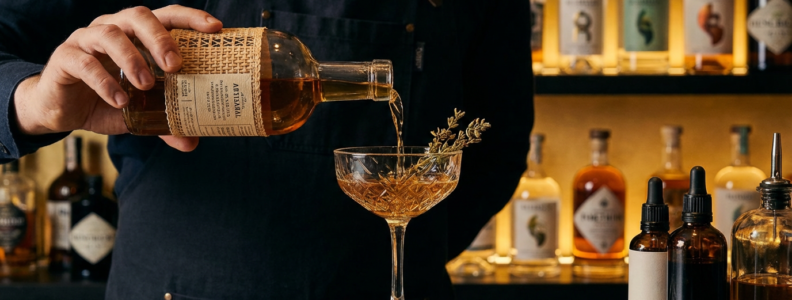
The non-alcoholic spirits category is at an inflection point. The market hit $1.6 billion globally in 2025, representing a 31% jump from just two years prior. That kind of growth attracts attention. It also attracts mediocrity. Walk into any bottle shop now and you’ll see rows of these products sitting next to actual spirits, many of them objectively terrible. They taste like regret in a bottle. They taste like someone reverse-engineered a cocktail by removing everything that made it worth drinking.

Non-Alcoholic Spirits in 2026: The Brands That Have Actually Figured It Out (And the Ones That Haven't)
Non-Alcoholic Spirits in 2026: The Brands That Have Actually Figured It Out (And the Ones That Haven’t)

Here’s what matters: the growth isn’t driven by hype alone. According to NielsenIQ Beverage Alcohol Insights, 41% of American adults between 21 and 35 now identify as “sober curious,” up from 34% just two years ago. That’s real. That’s sustained. And it means the brands that actually understand beverage construction are winning. The ones that don’t are getting crushed.

Illustration for Non-Alcoholic Spirits in 2026: The Brands That Have Actually Figured It Out (And the Ones That Haven't)
Illustration for Non-Alcoholic Spirits in 2026: The Brands That Have Actually Figured It Out (And the Ones That Haven’t)

Lyre’s Is Building an Empire. Here’s Why.

Lyre’s has executed almost everything correctly. Now in over 60 countries with a 45% revenue increase in their last fiscal year, they’ve done something most non-alcoholic spirit makers refuse to do: they’ve treated their product like a legitimate ingredient, not a gimmick. Their partnership strategy matters. Major hotel chains including Marriott are now carrying their products, which means bartenders are actually using these spirits in high-volume settings. That forces quality control. That forces consistency.

When you’re making cocktails for hundreds of guests a night, you can’t hide behind craft narratives. The spirit either works or it doesn’t. Lyre’s works. Their botanical complexity isn’t trying to fool you into thinking it’s gin. It’s doing something different, something that makes sense on its own terms. The mouthfeel is present. The finish has dimension. And crucially, they price it accordingly. You’re not paying $45 for a bottle that tastes like boiled pine needles.

The service aspect matters here too. When hotels trust a product enough to train their bartenders on it, when they feature it prominently on menus, that signals something about quality. Someone with real liability and reputation at stake decided this was worth endorsing. That’s the opposite of the direct-to-consumer chaos where every brand claims to be revolutionary.

Seedlip’s Dominance Is Slipping. Newer Brands Are Hungry.

Seedlip remains the category leader by volume. They should. They got there first and they built legitimacy through serious product development. But being first isn’t enough anymore. Diageo’s ownership since 2019 brought distribution muscle, which helped. It also, if we’re honest, sometimes muffles the scrappiness that made Seedlip interesting.

Monday Gin and Ghia are the ones everyone’s watching now. Both grew their direct-to-consumer sales by approximately 80% through 2025. They’re doing something different strategically. They’re not trying to replace every spirit category with a non-alcoholic equivalent. Monday focuses on gin alternatives. Ghia owns the aperitif space with a specific vision. That specificity is working. When you know exactly what you’re building and you execute it at the highest level, people notice.

The real takeaway: category leadership in non-alcoholic spirits requires more than distribution. It requires a point of view. Seedlip still has that. But they’re feeling pressure from brands that are more nimble, more willing to experiment, more present in the communities they’re selling to.

Where the High-End Restaurants Stand. This Is the Real Test.

The true measure of a category’s maturity isn’t retail shelves. It’s fine dining. Eleven Madison Park and The French Laundry now offer fully developed non-alcoholic pairing menus priced between $95 and $145 per person. That’s not a token gesture. That’s serious capital and culinary focus. These restaurants could easily phone it in. They don’t.

What you see happening in fine dining kitchens is the elimination of excuses. Chefs at that level don’t work with mediocre ingredients. If a non-alcoholic spirit tastes like artificial sweetener and regret, it doesn’t make the menu. Period. The brands getting selected by these restaurants have built products with precision and restraint. They understand that less is more. They understand that a strong spirit doesn’t need a heavy hand.

The pricing structure matters too. When restaurants charge $95 for a pairing menu, they’re putting their reputation against the product quality. That filters out the marginal players immediately. You don’t see questionable spirits at those price points. The market polices itself through credibility.

So What Actually Works Right Now?

Lyre’s works because they’re building a category player, not a novelty brand. They’ve focused on distribution, consistency, and training service professionals. Seedlip works because they maintain quality standards and refuse to chase every trend. Monday Gin works because they’re obsessively focused on a single category and they execute it better than anyone else. Ghia works because they understood the aperitif market was underserved and they solved for it with real flavor complexity.

What doesn’t work? Everything else. The brands that treat non-alcoholic spirits as a trend, that use cheap sweeteners as crutches, that aren’t present in their markets, that don’t invest in bartender education, that try to replicate spirits with artificial shortcuts. They’re noise. They’re inventory that will be clearanced in eighteen months.

The market is consolidating. The IWSR Non-Alcoholic Beverage Market Data shows sustained growth ahead, but that growth is concentrating around the serious players. If you’re building a non-alcoholic spirit brand right now, you need three things: a specific point of view about what you’re making, technical competence in flavor development, and a real distribution strategy. Everything else is performance.

What’s your experience been with these brands? Which ones are actually in your regular rotation, and which ones disappointed you? Drop what you’ve tasted and what worked in your kitchen or bar, because no single voice has the full picture here.

The Economics of Eating Out: Why Your Favorite Restaurant Can’t Make Money (And What That Means for Your Bill)

The Math Nobody Wants to Discuss

Let me start with a number that should terrify every restaurant owner in America: three to nine percent. That’s the profit margin most restaurants are operating on right now. Not revenue. Profit. The money left after paying for everything—rent, labor, food, utilities, the works. You’re running a business where ninety-one cents of every dollar is already spoken for before you flip a single light switch.

The Economics of Eating Out: Why Your Favorite Restaurant Can't Make Money (And What That Means for Your Bill)
The Economics of Eating Out: Why Your Favorite Restaurant Can’t Make Money (And What That Means for Your Bill)

The restaurant industry generated $1.1 trillion in revenue last year. That sounds enormous. It is. But here’s what people miss: scale doesn’t fix margins. A restaurant doing $2 million in annual sales with a 5 percent margin makes $100,000 before taxes and owner compensation. That’s not the path to wealth. That’s the path to exhaustion.

Food cost sits around thirty percent of revenue for a well-run establishment. Labor runs thirty-five to forty percent. Then you’ve got rent, insurance, equipment maintenance, utilities, and licensing fees. The slice of pie left for profit shrinks fast. This isn’t new information, but it’s worth internalizing because everything that happens next, tipping culture, pricing models, delivery platform wars, flows directly from these brutal numbers.

Illustration for The Economics of Eating Out: Why Your Favorite Restaurant Can't Make Money (And What That Means for Your Bill)
Illustration for The Economics of Eating Out: Why Your Favorite Restaurant Can’t Make Money (And What That Means for Your Bill)

The Tipping Spiral We Created Together

Tipping in America started as a workaround to a labor problem. Restaurants wanted to minimize their wage obligations. Customers wanted to feel like they had agency. Everyone pretended this was normal. Now we’re watching the system collapse under its own contradictions.

Three out of four customers now report feeling pressured when faced with a tip screen. This isn’t just complaining about social etiquette anymore. This is documented fatigue. The question “but how much?” has moved from occasional friction to constant cognitive load. Diners are hitting peak tipping at the same moment restaurants are hitting maximum labor cost pressure. Something has to give.

Here’s what’s happening in real time: restaurants in coastal cities are experimenting with service-included pricing models. Instead of the traditional 18-20 percent tip line on the credit card, the menu price already reflects server compensation. No math at the table. No guilt calculation. Just a number and a meal. Eater food culture has been tracking these experiments closely, and the data shows mixed results. Customers respond positively to transparency until they realize they’re paying more upfront. Then the actual bill hits different.

The real issue is that service workers are underpaid. Full stop. The tipping system exists because we’ve collectively decided restaurants shouldn’t pay living wages directly. Until that changes, we’re just moving the obligation around, not solving it.

Delivery Platforms: The Hidden Tax Nobody Asked For

Third-party delivery platforms take a quarter to over a third of every order value. That means a $50 order nets the restaurant somewhere between $32 and $37. For a restaurant working on a five percent margin, this cuts directly into survival.

Let’s look at the economics. A pizza place with a 4 percent margin makes $2 on a $50 order. Add a delivery platform taking 30 percent, and that same $50 order now generates $35 in net revenue. The $2 profit just became $1.40. Scale this across hundreds of orders per week, and delivery economics become the difference between breaking even and drowning.

Restaurants have pushed back by raising prices for delivery orders or adding platform surcharges. Customers see higher prices and blame the restaurant instead of understanding the commission structure. This creates resentment on both sides. The platforms keep growing because they’ve solved a real customer problem, convenience, while restaurants absorb the margin destruction.

Some establishments are fighting back by developing their own delivery infrastructure or prioritizing takeout over platform orders. This requires capital and operational overhead that many small restaurants simply don’t have. It’s a strategic move available only to restaurants already operating with some financial cushion.

Ghost Kitchens and the Pandemic Hangover

During lockdowns, ghost kitchens looked like the future. No front of house. No rent for dining rooms. Just pure production and delivery. Investors poured money into these concepts because the unit economics seemed unbeatable.

It didn’t work out that way. Ghost kitchens contracted after the pandemic boom faded. Why? Because the cost structure still defeats you. You still need staffing, quality ingredients, equipment, and facilities. You still lose thirty percent of orders to delivery platforms. You still need marketing to drive orders. The only thing you saved was the dining room rent, and that’s maybe ten to fifteen percent of total costs.

More importantly, ghost kitchens removed a crucial part of the restaurant experience: presence. Customers couldn’t taste food at peak freshness. They couldn’t see the care being taken. They ordered from an app interface with no emotional connection to the food or the people making it. For commoditized fast-casual, maybe that works. For anything aspiring to quality, it creates distance between cook and diner that shows up in the final product.

What Actually Works (And What Doesn’t)

Restaurants making money operate on conviction, not efficiency optimization. I’ve worked in places trying to squeeze margins lower and lower. That path leads to bad food, burned-out staff, and eventual closure. I’ve also worked in places with real pricing power, where customers understood they were paying for quality. Those restaurants survived.

Transparency works. When restaurants explain why prices are what they are, why tipping matters, why delivery orders cost more, customers respond better. They’re not stupid. They just need context. National Restaurant Association research shows customers are willing to spend more when they understand what they’re getting.

Specialization works. Generic restaurants competing on price die slowly. Places with a specific identity, a specific cuisine, a specific point of view build loyalty that survives margin pressure. Those customers come back. They understand the value.

Labor investment works. Paying staff well, training them properly, treating them like craftspeople instead of order-takers creates service that commands premium pricing. It’s the oldest restaurant truth: good people make good experiences, and people pay for good experiences.

Where We Go From Here

The restaurant industry is at an inflection point. The tipping system is breaking. Delivery platforms have become essential and exploitative at the same time. Labor costs keep rising while margins keep shrinking. Ghost kitchens proved they weren’t a silver bullet. What comes next requires honesty.

Restaurants need to price honestly. Diners need to understand that eating out costs money because feeding people well is genuinely expensive. Delivery platforms need to reconsider their commission structures or watch restaurants disappear. Workers need to earn living wages as a baseline, not through tipping charity.

None of this is simple. None of this is painless. But the current system, where restaurants operate on three to nine percent margins while customers simultaneously feel pressured about tipping, isn’t sustainable. The only question is what replaces it.

What’s your experience been? Are you eating out more or less? Are you frustrated with pricing, tipping, delivery options? The restaurant industry is built on feedback. Tell me what you’re seeing on your end of the table.

Zero-Proof Spirits Have Finally Grown Up—Here’s How to Build a Non-Alcoholic Home Bar That Doesn’t Taste Like Punishment

The Market Woke Up Faster Than Anyone Expected

Five years ago, if you wanted to host a sophisticated drink for someone who wasn’t drinking alcohol, you had two options: pretend the problem didn’t exist or reach for something that tasted like it was engineered in a lab by people who had never actually tasted alcohol. The non-alcoholic spirit category was, frankly, a disaster. Thin, overly sweet, aggressively chemical—the kind of thing that made you question not just the product but the entire concept of sobriety.

Then something shifted. The global non-alcoholic spirits market hit $1.6 billion in 2025, and analysts are projecting it to reach $4 billion by 2030. That’s real money. That’s real demand. And more importantly, that’s the kind of growth that finally convinced serious producers to stop treating zero-proof as a charity project and start treating it like a legitimate category worthy of genuine craftsmanship. IWSR Non-Alcoholic Beverage Market Insights tracks this stuff obsessively, and what they’re seeing is a market moving away from novelty and toward actual sophistication.

Three brands dominated the conversation in 2025: Ritual Zero Proof, Ghia, and Monday Gin each posted roughly 92% sales growth compared to 2024. These weren’t fringe players anymore. They were on shelves in serious bars and serious homes. They were winning over people who had actual options. That’s the moment you know a category has matured—when the early adopters stop proselytizing and the rest of us simply notice that the products don’t suck.

Why This Happened Now, and Why It Matters

The cultural shift is impossible to ignore. Forty-two percent of Americans aged twenty-one to thirty-five now describe themselves as “sober curious,” according to Gallup’s 2025 polling. That’s up from twenty-eight percent just three years earlier. This isn’t a blip. It’s a genuine recalibration of how an entire generation thinks about alcohol. Some of these people are abstaining completely. Others are simply choosing to drink less, more intentionally, more thoughtfully.

The participation numbers from Dry January 2025 tell the same story: an estimated thirty-five million Americans participated this year. That’s a record. Alcohol Change UK Dry January Data shows similar patterns internationally. These aren’t people performing sobriety for the gram. They’re people genuinely interested in understanding their relationship with alcohol. And they deserve drinks worth actually wanting.

The most telling sign of institutional legitimacy came from the James Beard Foundation, which in 2025 nominated two dedicated zero-proof cocktail programs for their Outstanding Bar Program awards. For the first time in the award’s history. Let that sink in. The James Beard Foundation wasn’t hedging anymore. They weren’t tokenizing non-alcoholic bars as a nice side project. They were recognizing them as serious competitors alongside traditional cocktail programs.

What Separates the Real Thing from the Pretenders

Taste first, philosophy second. The best non-alcoholic spirits don’t think about what they’re missing. They think about what they’re actually doing. They use actual botanical complexity, real distillation techniques, and patience. Some producers are using vacuum distillation to extract flavor compounds at lower temperatures. Others are experimenting with fermentation to build depth and texture. The worst ones are still just mixing juniper extract with artificial sweeteners and calling it gin.

A good non-alcoholic spirit should feel complete on the palate. There should be a beginning, a middle, and an end. Ritual Zero Proof’s gin alternative has actual grip to it, a kind of textural presence that comes from careful formulation. Ghia isn’t trying to be a specific spirit—it’s building its own language, leaning into botanicals that feel almost wine-adjacent without actually being wine. Monday Gin has a clarity and brightness that suggests actual technical precision rather than flavor-by-committee.

What matters is this: can you build a real drink with it? Can you make something that works in a Negroni? A Martini? A simple serve with tonic and lime? If the base spirit collapses under any real scrutiny, if it only works when buried under juices and syrups, then it’s not actually a spirit. It’s a concept pretending to be a product.

Building Your Non-Alcoholic Home Bar Without Compromise

Start with one exceptional bottle. Buy a base spirit you actually want to drink straight or with just ice and tonic. Taste it first. Don’t take my word for it or anyone else’s. You need to understand what you’re working with before you start building drinks around it. This takes ten minutes and a clear palate. Do it sober. Do it in the morning if you have to.

Then build everything else around that one quality anchor. Get quality vermouth alternatives—and yes, they exist now and they’re legitimate. Get good syrup. Make your own if you have time; buy it from someone who clearly cares if you don’t. Get fresh citrus. This part hasn’t changed and it never will. Stale lemon juice will ruin a perfect spirit in a split second. Get proper ice, big enough that it melts slowly and doesn’t dilute your drink into mediocrity by the time you finish it.

Store everything in a clean, cool place. Keep your bottles upright if they have cork tops. Keep things organized so you can actually see what you have. There’s something about a deliberately curated home bar, even a small one, that changes how you approach drinking. You stop reaching for convenience and start thinking about intentionality. That’s the whole point.

Where This Category Is Headed, and Why You Should Pay Attention

The non-alcoholic spirits category isn’t growing because of health trends or Instagram aesthetics or wellness culture. It’s growing because someone finally figured out how to make a product worth drinking. That matters. It’s the difference between a category that survives on novelty and momentum and one that actually sticks around because the fundamentals are sound.

Bars are taking non-alcoholic programs seriously now because they’ve realized something crucial: building a great non-alcoholic drink requires more precision, not less. You can hide mediocre spirits behind a thick layer of juice and sugar. You can’t hide anything in a zero-proof cocktail. Every choice becomes visible. Every flavor stands alone. That’s simultaneously the greatest challenge and the greatest opportunity in the category right now.

What’s your current relationship with these products? Are you skeptical based on past experiences? Have you tried any of the newer entries and actually found something worth drinking? There’s a conversation worth having here, and it starts with honesty about what works and what doesn’t.

The Non-Alcoholic Spirit Revolution Is Here—So Why Are Bartenders Still Botching It?

The Market Has Exploded. The Craft Hasn’t Caught Up.

Non-alcoholic spirits are having their moment. The category grew 35 percent in the U.S. throughout 2025, making it the fastest-growing segment in the entire beverage alcohol alternative space. Walk into any decent grocery store and you’ll find entire sections dedicated to zero-proof gins, whiskeys, rums, and amaro replacements. The bottles look sharper every season. The marketing has gone from apologetic afterthought to genuinely confident. On paper, the infrastructure for a real non-alcoholic cocktail culture is finally in place.

But here’s what I keep seeing when I order a zero-proof drink at actual bars: bartenders treating these spirits like problem children. Overcompensating with sugar. Drowning them in bitters to mask thinness. Basically doing everything except respecting what the liquid actually is. I’ve watched three different bartenders this month make the same mistake: building a non-alcoholic Negroni with equal parts spirit, vermouth, and Campari, then looking confused when I pointed out the proportions were wrong. The spirit wasn’t holding its own. It needed recalibration.

Three Brands Control the Conversation. That’s a Problem and an Opportunity.

Ritual Zero Proof, Seedlip, and Monday Gin collectively occupy 58 percent of NA spirits shelf space in major U.S. grocery chains as of last quarter. Which means most people trying non-alcoholic spirits for the first time are experiencing one of these three. They’re not bad products. Ritual is solid for the price point, hitting around fifteen dollars a bottle. Seedlip skews fancier and more botanical, landing at thirty to thirty-five dollars. Monday Gin splits the difference, around twenty to twenty-five dollars, with a slightly sharper juniper profile that actually works in a Martini if you know what you’re doing.

But shelf dominance has created a weird side effect: bartenders assume these three represent the entire category. They don’t. There are smaller, weirder, more interesting options like Ghia with their vermouty aperitif, Pentire with their focus on British botanicals, and Lyre’s with their point-by-point spirit replacements. The expensive bottles often perform better in cocktails because they actually have backbone. A sixty-dollar NA spirit might sound absurd until you build it into something and realize it’s holding up its end of the equation instead of asking the other ingredients to do all the heavy lifting.

Bartenders Are Finally Getting Serious. Most Just Aren’t There Yet.

The Tales of the Cocktail Foundation 2025 Programming dedicated three full seminar tracks to zero-proof bartending for the first time in its twenty-two-year history. That matters. It means the industry’s most influential educators are treating this as a legitimate technical skill, not a gimmick or accommodation. Which is correct. Building a great non-alcoholic cocktail requires different decisions than building an alcoholic one. The balance points shift. Dilution works differently. Temperature management becomes more critical because you’re missing the numbing effect of alcohol.

There’s a real generational split in bartender capability right now. The older guard, trained in a world where zero-proof meant fruit juice and ice, struggles with these new spirits because they require genuinely different thinking. Younger bartenders who came up in an era where non-alcoholic options were always on the menu tend to approach them with more curiosity and technical precision. Both groups can improve. Both groups should. Because the customer base demanding quality non-alcoholic drinks isn’t going away. According to a 2025 Gallup survey, 38 percent of adults under thirty-five now identify as sober curious or actively reducing their alcohol consumption, up from 29 percent just three years ago. That’s not a niche anymore.

The Money Is Catching Up to the Craft.

Eleven Madison Park recently launched a dedicated non-alcoholic beverage pairing program priced at ninety-five dollars, identical to their wine pairing. Chef Daniel Humm and sommelier Juliette Larrouy spent months developing it. That decision sends a real signal: non-alcoholic drinks can command the same pricing and receive the same technical investment as traditional pairings. It validates the idea that this isn’t about compromise. It’s about different choices built with the same rigor.

Most restaurants haven’t caught up to this thinking yet. Most are still positioning non-alcoholic options as budget alternatives or customer accommodations. Cheaper bottles, less attention, faster construction. Which is exactly backwards. A truly complex non-alcoholic spirit costs more than a basic one, requires more technique to showcase properly, and deserves better glassware and a more thoughtful approach.

What You Should Demand From Your Bartender Right Now

If you order a non-alcoholic spirit cocktail, the bartender should know which bottle they’re using and why it works for that specific drink. Not just “this is what we have.” If they’re not offering spirit-specific variations of classic drinks, ask why. A Martini-style build with Seedlip will taste different from one with Ritual because their botanical profiles are genuinely different. Both can work. Neither is wrong. But the bartender should have thought about which one belongs in your glass.

Watch how they build it. The stirring time matters more without alcohol. The dilution ratio needs precision. The temperature of your glass matters. If they’re building it the same way they build every other cocktail and just swapping bottles, you’re getting a shortcut, not a craft drink. And if they seem annoyed by the order, find a different bar. The bottles are real. The techniques are proven. Bad service at this point is a choice, not a limitation.

Send me a note if you’ve had a standout non-alcoholic cocktail somewhere. Seriously. I want to know which bars actually get this right, and which bartenders are worth watching. This conversation should be driven by people who actually care about the drinks.

The Fermentation Revolution Fine Dining Finally Embraced: What Noma’s Lab Taught the World

When Tradition Met Science in a Copenhagen Kitchen

Five years ago, fermentation in fine dining existed in the shadows. It was there, sure—miso in broths, koji in sauces, wild ferments happening in unmarked jars in back corners. But it wasn’t the story. It wasn’t the technique restaurants wanted to lead with. Then Noma’s fermentation lab changed everything.

The Fermentation Revolution Fine Dining Finally Embraced: What Noma's Lab Taught the World
The Fermentation Revolution Fine Dining Finally Embraced: What Noma’s Lab Taught the World

Before René Redzepi closed Noma’s original Copenhagen location in early 2024, his team had documented over 100 distinct fermentation projects. These weren’t casual experiments. They were methodical investigations into how time, temperature, and microbes could reshape ingredients from the Nordic landscape and beyond. That work didn’t disappear when the doors closed. It lived on in the Noma Projects Fermentation Archive, a digital repository that became something close to a manifesto for chefs worldwide who suddenly realized they’d been thinking too small about what fermentation could do.

The Numbers Don’t Lie About What’s Happening

The market has moved in lockstep with the mindset shift. The global fermented food and beverage sector was valued at $957 billion in 2024. By 2028, it’s projected to exceed $1.15 trillion. These aren’t vanity numbers. This is real capital flowing toward fermented products, real shelf space being cleared in stores, real menus being rewritten. According to Grand View Research: Fermented Foods Market Report, the acceleration isn’t slowing.

But here’s what matters more than the aggregate numbers: Michelin-starred restaurants featuring house-made fermented condiments and misos grew 34 percent between 2023 and 2025. That’s the real story. Chefs at the highest level making fermentation a signature move, not a garnish.

When Redzepi published “Noma 2.0” in 2024, the book sold over 200,000 copies in its first six months. That’s not cookbook numbers. That’s cultural moment numbers. Every copy represented a chef somewhere deciding to take fermentation seriously, to understand koji not as an exotic ingredient but as a tool to rebuild their perspective on flavor.

Why Koji Became the Ingredient Everyone Suddenly Wanted

Koji arrived in Western fine dining slowly, then all at once. The enzyme-rich mold had been essential to Japanese, Korean, and Chinese cooking for centuries. It made miso, shoyu, sake. It converted starches to sugar, proteins to amino acids. It was alchemy that actually worked.

But koji required knowledge. It required infrastructure. It required the willingness to fail a few times before succeeding. That’s where Noma’s documentation became invaluable. The lab didn’t just make koji. It showed exactly how to make koji, and what to do with koji once you had it. Lacto-fermentation for vegetables followed the same logic: the archive became a permission structure for experimentation.

Nielsen data from Q3 2025 shows retail sales of koji-based cooking products in the US jumped 67 percent year-over-year. Brands like Umami Insider and Koji Alchemy are moving inventory like they’re going out of style. That growth wasn’t random. It was built on the back of hundreds of chefs proving that koji belonged in high-end kitchens.

How Noma’s Work Changed What Fine Dining Looked Like

The shift in fine dining over 2024 and 2025 has been visible to anyone paying attention. Menus started listing ferments as casually as they listed proteins. A soy-koji reduction here. A miso prepared specifically for this dish there. House-made garum in the amuse. These weren’t experiments anymore. They were weapons.

Worth saying clearly: this wasn’t cultural appropriation, though the risk always existed. It was cultural translation done with respect and rigor. Chefs weren’t just copying Japanese techniques. They were learning the principles and applying them to local ingredients, local palates, local traditions. Noma’s lab showed that approach was possible.

The restaurants that embraced fermentation seriously, not as trend but as a fundamental shift in how they thought about building flavor, found something valuable: efficiency and depth. A properly aged miso or koji concentrate does work that would take hours of reduction or pounds of supporting ingredients. It’s not a shortcut. It’s smarter cooking.

What This Means for Where Food Goes Next

We’re at an interesting inflection point. Fermentation has moved from underground technique to mainstream strategy. But the restaurants that will matter in the next five years are those that go deeper, not wider. The ones that stop thinking of fermentation as “that thing Noma did” and start thinking of it as fundamental to how they source, prepare, and conceptualize food.

The archive isn’t a finish line. It’s a starting point. Every chef working with koji, every restaurant aging their own fish sauce or vegetable ferments, every sommelier pairing fermented beverages with dishes, they’re all writing the next chapter. The question isn’t whether fermentation belongs in fine dining. That’s settled. The question now is what level of mastery separates the chefs who understand fermentation from the ones who simply use it.

If you’ve been watching this shift unfold and wondering whether it’s real or just noise, the data and the menus say it’s real. If you’re curious about how fermentation could change your own cooking, the resources are more accessible than ever. Where does your kitchen go from here?

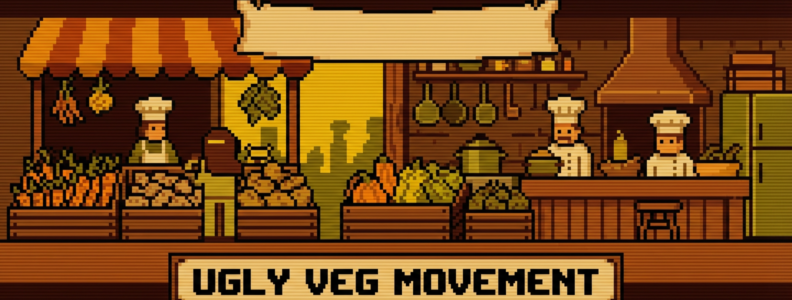
The Ugly Vegetable Revolution: How Smart Chefs Are Turning Farm Waste Into Fine Dining

The Numbers Don’t Lie: We’re Throwing Away Money and Food

Let’s start with the brutal truth. The USDA data from 2025 paints a picture that should make every chef, every grocer, and every home cook uncomfortable. Roughly 30 to 40 percent of the entire US food supply gets wasted annually. That’s not a rounding error. That’s a systemic failure. And here’s the part that stings most: imperfect produce alone accounts for 18.2 billion dollars in losses at the farm level every single year.

The Ugly Vegetable Revolution: How Smart Chefs Are Turning Farm Waste Into Fine Dining

I’ve spent enough time in restaurant kitchens to understand waste intimately. I’ve seen it in the walk-in coolers, on the cutting boards, in the compost bins. But farm-level losses? That’s heartbreaking on a different scale. A farmer grows a carrot that’s slightly bent, a tomato with an odd shape, a head of lettuce that’s a millimeter too small for wholesale standards. Perfect flavor. Perfect nutrition. Rejected. Plowed back into the soil.

The restaurant industry could have kept ignoring this. Instead, something shifted. A handful of chefs decided that food waste was an unacceptable cost of doing business. They started asking harder questions about their supply chains. They started cooking differently. And consumers, it turns out, were ready to listen.

Illustration for The Ugly Vegetable Revolution: How Smart Chefs Are Turning Farm Waste Into Fine Dining

From Grocery Shelves to Restaurant Tables: The Supply Chain Shift

The infrastructure for fighting food waste has grown teeth. Imperfect Pantry Rescued Produce Delivery recently reported 3.4 million active subscribers in Q4 2025, representing a 22 percent year-over-year increase. This company, born from a 2025 merger between Imperfect Foods and Misfits Market, has fundamentally changed what consumer-level food waste looks like. They’re not a fringe operation anymore. They’re approaching mainstream.

But here’s what matters more than subscriber numbers: the network effect. When millions of people start receiving imperfect produce at home, they start cooking with it. They start understanding that a gnarled carrot tastes identical to a supermarket-perfect one. They start questioning why their grocery stores don’t stock these items. And then they walk into a restaurant and see “Rescued Heirloom Tomato” on the menu, and something clicks. This isn’t a compromise. This is actually better sourcing.

The logistics work because producers, distributors, and chefs finally have aligned incentives. The farmer doesn’t want to waste. The distributor doesn’t want perfectly good food rotting. The chef doesn’t want to pay premium prices for cosmetic perfection. The customer doesn’t want to throw away money on vegetables that looked perfect but tasted like nothing.

Chef Dan Barber’s Blueprint: How Waste-Forward Cooking Actually Works

Dan Barber never stopped experimenting with waste as an ingredient. His WastED pop-up concept returned to Blue Hill at Stone Barns in January 2026, this time with a radical constraint: 100 percent of the menu sourced from USDA-rejected agricultural surplus. No pristine producers as backup. No compromise. Pure waste-forward cooking.

I’ve worked with rejected produce. I know what chefs face. A shipment of carrots deemed cosmetically unacceptable isn’t easier to cook with. It requires more knife work, more intentional technique, more creativity in how you present the final dish. Barber’s fixed-price menu meant no hiding behind a higher price point or justifying shorter portions. He had to make people pay for excellence created from what the system threw away.

That’s the real innovation here. It’s not about making the best of bad ingredients. It’s about recognizing that ingredients labeled “bad” are only bad because they don’t conform to arbitrary visual standards. The flavor is intact. The nutrition is intact. The potential is intact. What’s required is technique. It pushes chefs to get better. The customers eating at WastED experienced menus that matched or exceeded what they’d find at restaurants sourcing pristine produce at three times the cost.

This model is replicable because it’s honest. You’re not hiding the origin story of your ingredients. You’re making it central to who you are as a restaurant.

Consumer Demand Is Changing Faster Than Menus

A 2025 survey by the Food Waste Reduction Alliance asked American consumers directly: would you seek out a restaurant that prominently features rescued produce? Sixty-eight percent said yes. Not maybe. Yes. That’s the demand signal restaurants have been waiting for without realizing it.

This isn’t niche eating. This isn’t a trend. This is the actual preference of two-thirds of the American public, expressed clearly when given the option. Some of that is environmental consciousness. Some of that is the price sensitivity that’s persisted post-pandemic. But a substantial portion is simply that people care more about flavor and quality than they do about visual uniformity.

The European market reached this inflection point first. The EU’s Farm to Fork Strategy set binding waste reduction targets in 2025, requiring all member state restaurants to cut food waste by 30 percent by 2027. That’s not a suggestion. That’s regulation. It forced menu innovation at scale. The creativity that emerged from those constraints is now flowing back across the Atlantic, influencing how American chefs think about their sourcing and their plating.

Why This Matters for Your Grocery Bag and Your Dinner Table

The ugly vegetable movement isn’t primarily about making you feel better about buying misshapen produce. It’s about fundamentally changing what’s available to buy in the first place. When restaurants normalize rescued ingredients, when chefs prove through their cooking that these products deserve premium placement and premium prices, the entire supply chain recalibrates.

Check the USDA Food Loss and Waste Data 2025 yourself. Look at the numbers. Thirty to forty percent of what we grow doesn’t reach a plate. Some of that’s unavoidable. Some of it’s infrastructure and distribution challenges. But a growing slice of it is just cosmetic rejection that’s become tradition.

The restaurants leading this movement aren’t martyrs. They’re not sacrificing quality on the altar of sustainability. They’re cooking smarter, sourcing more strategically, and building menus that taste better because the ingredients are fresher and cheaper. They’re proving that constraints breed creativity. Waste-forward cooking isn’t a limitation. It’s an advantage.

Start paying attention to which restaurants are highlighting their produce sourcing. Try a delivery service that specializes in imperfect vegetables. Cook with ingredients that don’t look like the supermarket ideal. You’ll notice the difference immediately. The flavor is there. The only thing missing was the unnecessary perfection. Have you tried sourcing differently in your own kitchen, or are you still letting visual standards override actual quality?

Non-Alcoholic Spirits Have Finally Grown Up: Why Seedlip Isn’t Enough Anymore and What Bartenders Are Pouring in 2026

The Market Caught Up to the Hype

Five years ago, non-alcoholic spirits were a novelty. You ordered one at a bar and got a sympathetic nod from the bartender, who then disappeared to find a bottle gathering dust behind a stack of vermouths. Today? That same bartender has options. Real options. The global non-alcoholic spirits market exceeded 1.6 billion dollars in 2025, and according to IWSR No and Low Alcohol Beverage Report, the category is projected to grow at 8.1 percent annually through 2028. That’s not viral trend territory. That’s a structural market shift.

Non-Alcoholic Spirits Have Finally Grown Up: Why Seedlip Isn't Enough Anymore and What Bartenders Are Pouring in 2026
Non-Alcoholic Spirits Have Finally Grown Up: Why Seedlip Isn’t Enough Anymore and What Bartenders Are Pouring in 2026

What changed isn’t just the size of the market. It’s the sophistication. Major brands launched dozens of new expressions. Ghia raised 15 million dollars in Series B funding in early 2025 and immediately expanded into 3,000 additional bars and restaurants. Lyre’s now has 13 different spirit-style options on the menus of over 12,000 US bars and restaurants. These aren’t numbers that suggest experimental positioning anymore. This is infrastructure.

Even the cultural institutions noticed. The James Beard Foundation Awards 2026 introduced their first-ever dedicated category for Outstanding Bar Program – Zero Proof. When organizations that have shaped professional beverage culture for decades start handing out trophies for non-alcoholic bar programs, something has shifted permanently.

Illustration for Non-Alcoholic Spirits Have Finally Grown Up: Why Seedlip Isn't Enough Anymore and What Bartenders Are Pouring in 2026
Illustration for Non-Alcoholic Spirits Have Finally Grown Up: Why Seedlip Isn’t Enough Anymore and What Bartenders Are Pouring in 2026

Why Consumer Behavior Actually Matters Here

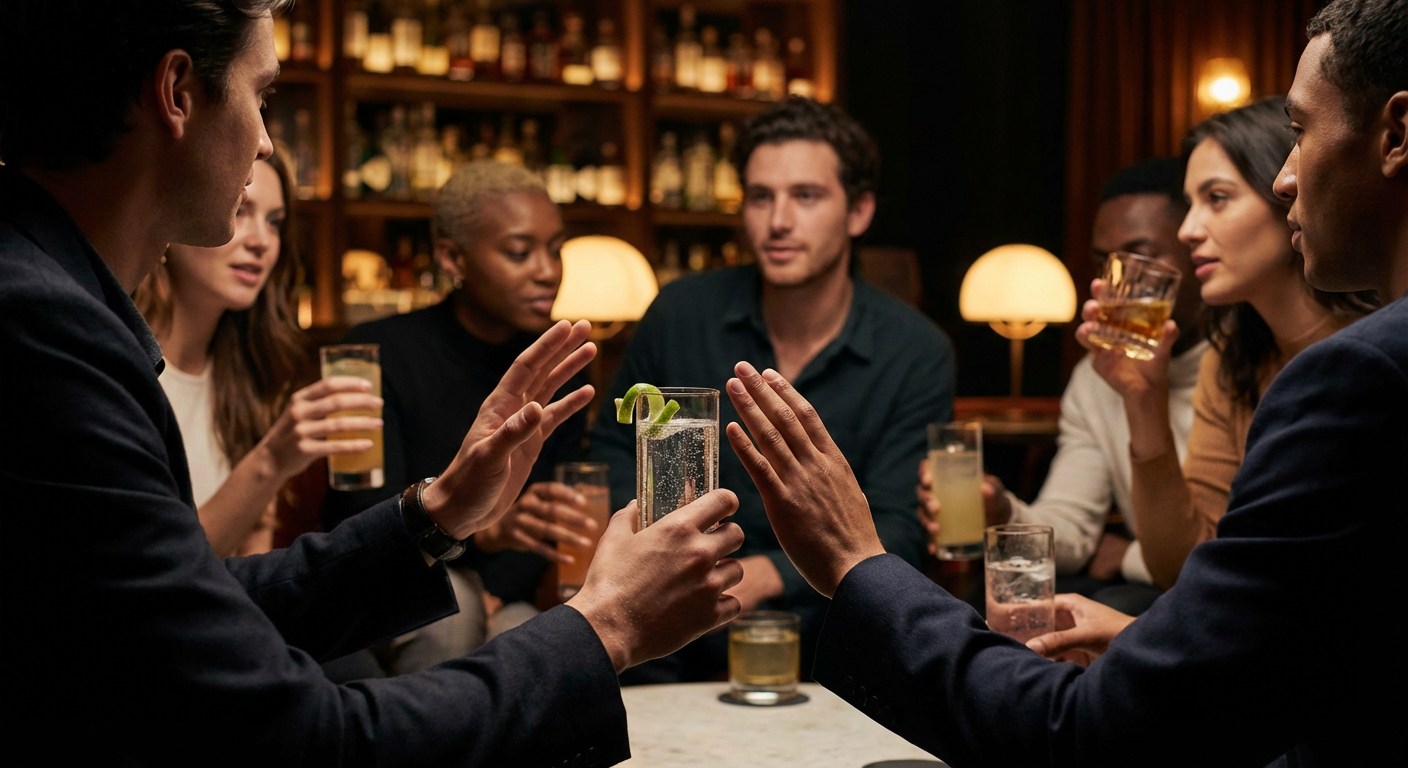
You can ignore market reports if you want, but consumer behavior is harder to dismiss. In 2023, 34 percent of Americans aged 22 to 38 reduced their alcohol consumption. By 2025, that number jumped to 41 percent. That’s not a plateau. That’s acceleration. And these aren’t people quitting alcohol entirely. They’re moderating. They want good drinks on their own terms.

This demographic shift matters because it kills the old excuse that non-alcoholic spirits are just for people who don’t drink. They’re not. They’re for people making conscious choices about when and how much they drink. That’s a fundamentally different market proposition. It means bartenders need to care about quality because their customers care about quality. No more participation trophies.

The best bars in major cities responded. They didn’t just add a non-alcoholic option to their menu. They rebuilt their programs from the ground up, invested in technique, sourced ingredients with real specificity. They treated zero-proof cocktails as a legitimate creative challenge rather than a box to check.

The Quality Divide Is Real and It Matters

Here’s where I need to be blunt: not all non-alcoholic spirits are created equal. Seedlip was genuinely innovative in 2015. It deserves credit for that. But it’s 2026 now, and there are bottles that do what Seedlip does and then do several additional things better. The market has outpaced the pioneer.

The gap between cheap and quality non-alcoholic spirits comes down to the same factors that matter in any spirit category. Botanical sourcing. Maceration time. Distillation technique. Balance of flavor profile. A 30-dollar bottle of non-alcoholic gin will have sharper, more defined botanicals than a 15-dollar one. The base notes will be cleaner. The finish won’t leave that synthetic aftertaste that kills mediocre zero-proof drinks.

When you’re building a cocktail, those details compound. A well-made non-alcoholic spirit gives you actual foundation to work from. A cheap one forces you to over-correct with sugar or acid just to make it palatable. That’s when you end up with something that tastes like medicine. That’s also when people decide non-alcoholic spirits don’t work.

Cost matters, obviously. A bottle of quality non-alcoholic spirit runs 35 to 50 dollars. A bottle of quality gin runs 40 to 60. The math doesn’t justify skimping on price when the premium bars aren’t skimping on quality. If you’re going to invest in this category, invest properly.

What Bartenders Are Actually Pouring Right Now

The best bartenders in 2026 aren’t treating non-alcoholic spirits as a limitation to overcome. They’re treating them as a distinct ingredient category with their own potential. That means building different drinks, not just removing alcohol from existing recipes.

Aperitivo-style non-alcoholic spirits are having a moment because they actually have complexity to work with. Bitter, herbal, slightly sweet. Those flavors don’t disappear when you remove alcohol. If anything, they become more prominent. A bartender can build layered drinks around that profile in ways that feel completely different from a traditional cocktail. It’s not trying to taste like a martini. It’s trying to be its own thing.

The technical side matters too. The best bars think about dilution and temperature with the same rigor they apply to alcoholic drinks. Non-alcoholic spirits have different viscosity than their alcoholic counterparts. They don’t open up the same way on the palate. A bartender who understands that can compensate through technique: more dilution, different glassware, specific temperature targets. The details add up to actual flavor difference.

Age-stated and heavily oaked non-alcoholic spirits are emerging as a subcategory. They’re more expensive and not trying to mimic anything. They exist in their own lane, and the best cocktails made with them treat them accordingly. These are drinks you sip slowly. They have development. They’re worth your attention.

The Real Question Worth Asking

The non-alcoholic spirits market has matured past the phase where asking if they’re good is even the relevant question. The better question is: what are you looking for in a drink? If you want something that tastes like a gin and tonic but without the alcohol, you’re asking for the wrong thing. Zero-proof spirits aren’t meant to be perfect replicas. They’re meant to be their own experience.

The bars nailing this have figured out that distinction. They’re hiring bartenders who taste critically and know how to build flavor with what’s actually in the bottle, not what’s supposed to be there. They’re not embarrassed about it. They’re not apologizing. They’re just making good drinks.

If you’ve avoided non-alcoholic spirits because early versions left a bad impression, it’s worth revisiting the category. The gap between now and five years ago is significant. The gap between a 15-dollar bottle and a 40-dollar bottle is even more significant. What’s your experience been? Have you found anything worth drinking lately?

Why That “Authentic” Thai Restaurant Is Probably Lying to You

The Curry Powder Problem

Last Tuesday, I watched a cook at a supposed “authentic” Thai restaurant dump pre-mixed curry powder into a wok with coconut milk from a can. The menu proudly advertised “traditional family recipes from Bangkok.” The cook was from El Salvador. Nothing wrong with that, but let’s call it what it is: fusion food pretending to be authentic cuisine.

Real Thai curry pastes need mortar and pestle work. Green curry needs fresh Thai chilies, galangal, lemongrass, kaffir lime zest, and shrimp paste ground to the right consistency. It takes twenty minutes of manual labor. Most restaurants skip this because it’s expensive and time-consuming. They use jarred paste or powder and hope you don’t taste the difference.

The Economics of Authenticity

Authenticity costs money. Real Italian San Marzano tomatoes cost four times more than standard canned tomatoes. Proper Spanish bomba rice for paella runs about twelve dollars per pound versus two dollars for regular short-grain rice. Restaurants face a choice: authentic ingredients with thin margins or substitutions with healthy profits.

I’ve seen Mexican restaurants use Monterey Jack instead of Oaxaca cheese, calling their quesadillas “traditional.” The texture is wrong, the melting point is different, and the flavor profile shifts completely. But Oaxaca cheese requires special ordering, costs more, and has a shorter shelf life. The business math is simple even if it destroys the authenticity.

The worst offenders are upscale establishments charging premium prices while cutting corners on core ingredients. A twenty-eight-dollar “authentic” bouillabaisse made with frozen fish and saffron extract? That deserves nothing but scorn.

Regional Variations Versus Outright Fiction

Not all deviation from traditional recipes is fraud. Regional cuisines evolve naturally through migration and ingredient availability. Italian-American red sauce differs from Neapolitan marinara because Italian immigrants in the early 1900s had access to different tomatoes and cooking facilities.

The problem starts when restaurants claim absolute authenticity while serving American adaptations. Chinese-American orange chicken has legitimate cultural roots in Chinese-American communities. It becomes fraudulent when presented as “traditional Szechuan cuisine.” The dish doesn’t exist in Szechuan province.

Smart restaurants acknowledge their inspirations honestly. Mission Chinese Food in San Francisco serves Chinese-American fusion and owns it completely. Their mapo tofu uses American ingredients but respects the fundamental cooking techniques. This approach shows respect for both traditions and innovation.

The Training Gap

Many authenticity failures stem from inadequate kitchen training rather than deliberate deception. I’ve interviewed line cooks who genuinely believe they’re making authentic dishes because that’s what they were taught by previous untrained cooks. The knowledge breaks down slowly.

Real Indian curry houses employ cooks who learned from their mothers or trained in restaurant kitchens in Mumbai or Delhi. They understand the timing for tempering spices, the difference between various lentil preparations, and why certain combinations work. Restaurants staffed by culinary school graduates with good intentions but no cultural connection often miss these details.

The service side contributes to the problem too. Servers who can’t pronounce menu items correctly or explain basic preparation methods signal kitchen knowledge gaps. When your server calls pho “foe” instead of “fuh,” question everything else about that Vietnamese restaurant’s authenticity claims.

What Consumers Can Actually Control

Stop rewarding fake authenticity with your money. Research basic ingredients and techniques for cuisines you care about. Real ramen broth requires twelve to twenty-four hours of cooking time. If a restaurant serves you ramen in five minutes during lunch rush, they’re using powder or concentrate.

Ask specific questions about sourcing and preparation. Good restaurants welcome ingredient discussions. Evasive answers or irritated responses usually indicate corner-cutting. Request modifications that reveal cooking methods. Ask for extra spice in your Thai curry. If it arrives instantly, they’re adding hot sauce instead of adjusting the curry paste ratio.

Support restaurants owned and operated by people from the cuisine’s origin culture. This isn’t about ethnic gatekeeping. It’s about supporting businesses with genuine cultural knowledge and ingredient connections. These restaurants typically source better ingredients and maintain proper techniques because the food matters personally to the owners.

Consider whether your expectations match reality. Authentic Italian pasta should feel slightly firm when you bite it. If you prefer mushy noodles, order what you enjoy but don’t demand authenticity. Many cuisines include flavors and textures that differ significantly from American adaptations.

The Real Cost of Fake Authenticity

The authenticity debate goes beyond personal dining disappointment. When restaurants misrepresent cultural cuisines, they often undercut businesses that invest in proper ingredients and techniques. The Mexican place using pre-shredded cheese can charge less than the restaurant making fresh queso fresco daily.

This creates a race to the bottom that hurts everyone. Consumers lose access to genuine flavors. Authentic restaurants struggle financially. The cultural knowledge disappears slowly as shortcuts become industry standard.

What specific techniques or ingredients do you use to evaluate authenticity when trying new restaurants? The details matter more than the marketing claims.