
The Numbers Don’t Lie: Fermentation Goes Mainstream
The fermented foods industry is blowing up, with market projections showing an annual expansion rate of eight percent that will push the sector past the trillion-dollar mark by 2028. This isn’t just another food trend. We’re seeing a fundamental shift in how people think about nutrition and flavor.
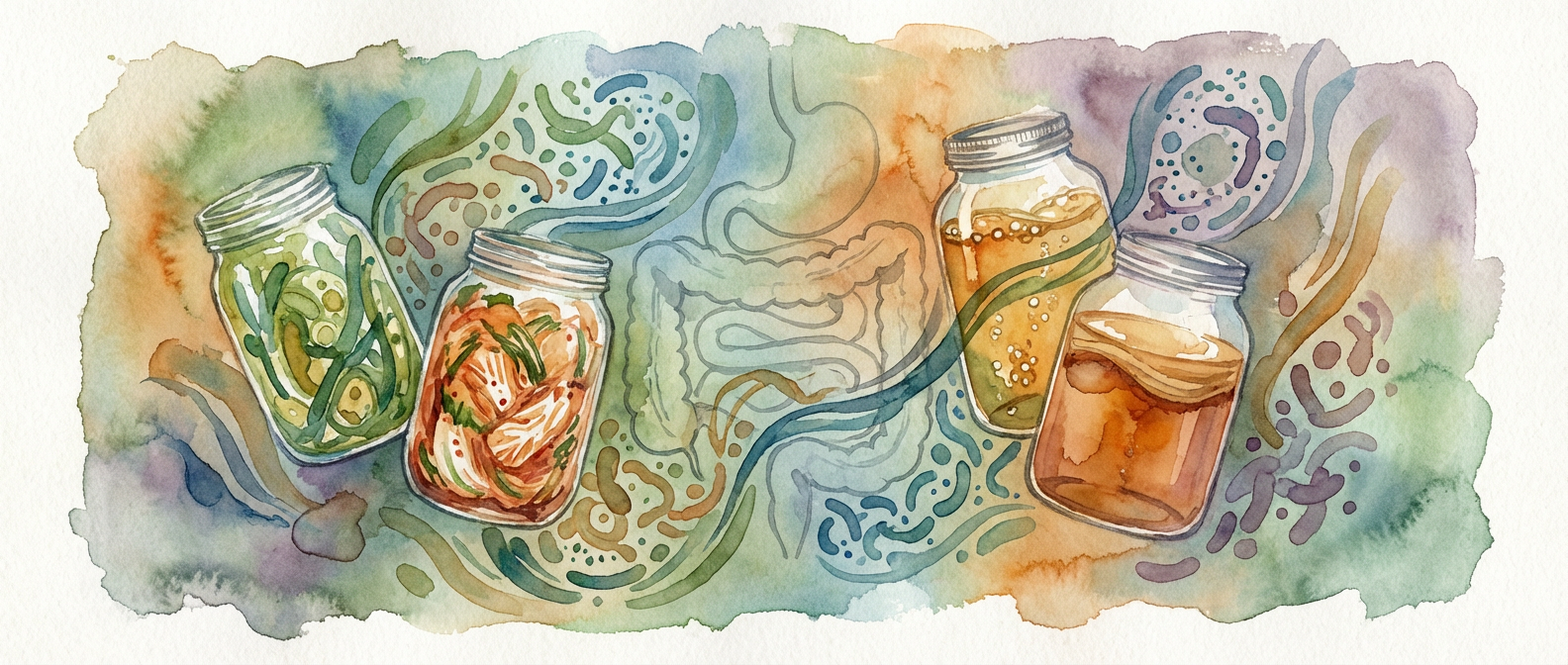
Walk into any grocery store today and you’ll find kimchi sitting next to the coleslaw. Kefir has moved from the specialty dairy section to prime real estate alongside regular yogurt. What was once stuck in health food stores and ethnic markets now commands mainstream shelf space. The transition happened faster than most industry experts predicted.
Restaurant menus tell the same story. Fermented elements have increased by 180 percent since 2019, appearing in everything from elevated cocktails with shrubs to entrees with house-made sauerkraut. Chefs understand what home cooks are discovering: fermentation delivers complex flavors that can’t be replicated through conventional cooking methods.

The Science Behind the Craze
Research into Lactobacillus and Bifidobacterium strains has revealed compelling connections between gut health and mental wellbeing. The gut-brain axis isn’t pseudoscience anymore. It’s documented biology that explains why adding diverse fermented foods to your diet can impact everything from mood stability to immune function.
Kombucha sales alone surpassed three billion dollars globally in 2025, proving that consumers will pay premium prices for products that promise both flavor and function. But here’s what most people get wrong: they treat fermented foods like supplements instead of ingredients. The real magic happens when you integrate these foods into your regular cooking routine.
The microbiome diversity that comes from eating various fermented foods creates a more resilient digestive system. Think of it as building a robust ecosystem rather than taking a probiotic pill. Your gut bacteria thrive on variety, which means your fermentation practice should too.
Home Fermentation Communities Are Changing the Game
Reddit fermentation groups and YouTube channels dedicated to home fermentation have collectively reached millions of subscribers. These communities share detailed troubleshooting advice, recipe modifications, and safety protocols that make fermentation accessible to beginners while challenging experienced practitioners to experiment with new techniques.
The knowledge sharing happening in these digital spaces rivals what you’d find in professional culinary programs. Members post detailed photos of their fermentation progress, troubleshoot problems in real-time, and share cultural fermentation techniques from around the world. This democratization of fermentation knowledge has seriously accelerated adoption rates.
What’s particularly valuable about these communities is their focus on understanding the science behind fermentation rather than just following recipes blindly. Members learn to adjust salt percentages for different vegetables, understand how temperature affects fermentation speed, and recognize the signs of successful versus problematic ferments.
Getting Started: The Reality Check Most Articles Skip
Most fermentation guides oversimplify the process or overwhelm beginners with unnecessary complexity. The truth is that successful fermentation requires understanding a few key principles rather than memorizing dozens of recipes. Salt percentages matter more than specific ingredients. Temperature control beats exotic equipment every time.
Start with vegetables you actually eat regularly. Fermenting exotic vegetables might seem adventurous, but if you don’t enjoy eating them fresh, you probably won’t enjoy them fermented either. Master basic sauerkraut before attempting complex kimchi variations. Perfect your kombucha second fermentation before experimenting with jun or water kefir.
The Serious Eats fermentation resources provide scientifically-backed techniques that work consistently. Their testing methodology eliminates much of the guesswork that frustrates beginning fermenters. For deeper exploration of traditional methods, Sandor Katz fermentation resources offer comprehensive guidance rooted in cultural fermentation practices.
Equipment minimalism works better than gadget accumulation. Quality glass jars, accurate scales, and pH strips will serve you better than expensive fermentation vessels and specialized tools. Focus on developing your technique rather than collecting equipment.
Integration Strategies That Actually Work
The biggest mistake people make with fermented foods is treating them as standalone items rather than integrating them into their regular cooking. Sauerkraut shouldn’t just top hot dogs. It should brighten grain bowls, add acidity to rich stews, and provide textural contrast in salads.
Fermented hot sauces offer more complex heat than fresh pepper preparations. The fermentation process develops umami depth while moderating harsh capsaicin burn. Use them as finishing sauces rather than cooking ingredients to preserve their probiotic benefits and bright acidity.
Kimchi works as both vegetable and condiment. Its spicy, funky complexity enhances everything from scrambled eggs to grilled cheese sandwiches. Don’t limit it to Korean dishes. Think of kimchi as a flavor enhancer that can improve almost any savory preparation.
The fermentation revival is more than a passing food trend. It reflects a growing understanding of how traditional food preservation methods can enhance both flavor and nutrition in modern kitchens. Whether you’re motivated by health benefits, flavor development, or simple curiosity, fermentation offers accessible techniques that will expand your cooking repertoire significantly. Start small, focus on consistency, and let your taste preferences guide your fermentation journey.