Category Archives: Uncategorized

The Fermentation Renaissance: Why Your Kitchen Needs More Bacteria

The Numbers Don’t Lie: Fermentation Goes Mainstream

The fermented foods industry is blowing up, with market projections showing an annual expansion rate of eight percent that will push the sector past the trillion-dollar mark by 2028. This isn’t just another food trend. We’re seeing a fundamental shift in how people think about nutrition and flavor.
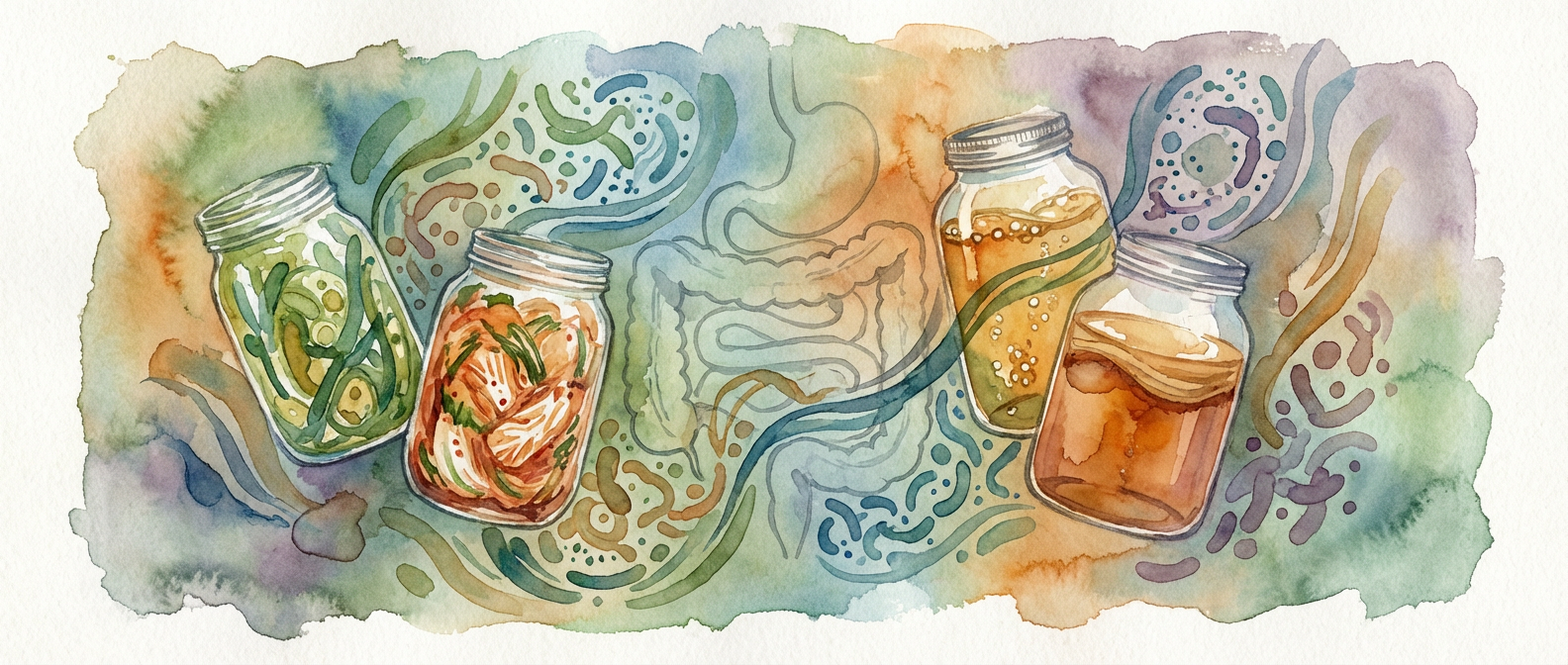
The Fermentation Renaissance: Why Your Kitchen Needs More Bacteria

Walk into any grocery store today and you’ll find kimchi sitting next to the coleslaw. Kefir has moved from the specialty dairy section to prime real estate alongside regular yogurt. What was once stuck in health food stores and ethnic markets now commands mainstream shelf space. The transition happened faster than most industry experts predicted.

Restaurant menus tell the same story. Fermented elements have increased by 180 percent since 2019, appearing in everything from elevated cocktails with shrubs to entrees with house-made sauerkraut. Chefs understand what home cooks are discovering: fermentation delivers complex flavors that can’t be replicated through conventional cooking methods.
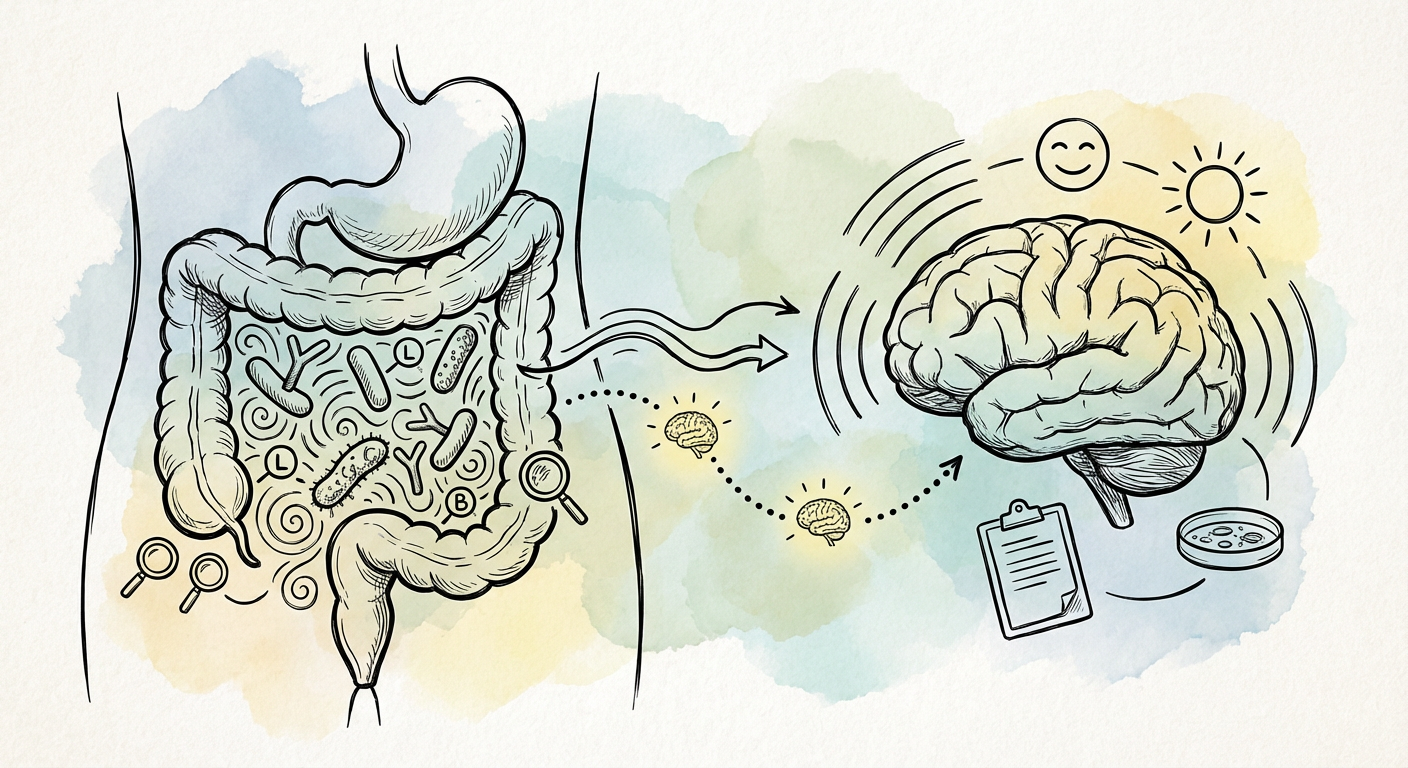
Illustration for The Fermentation Renaissance: Why Your Kitchen Needs More Bacteria

The Science Behind the Craze

Research into Lactobacillus and Bifidobacterium strains has revealed compelling connections between gut health and mental wellbeing. The gut-brain axis isn’t pseudoscience anymore. It’s documented biology that explains why adding diverse fermented foods to your diet can impact everything from mood stability to immune function.

Kombucha sales alone surpassed three billion dollars globally in 2025, proving that consumers will pay premium prices for products that promise both flavor and function. But here’s what most people get wrong: they treat fermented foods like supplements instead of ingredients. The real magic happens when you integrate these foods into your regular cooking routine.

The microbiome diversity that comes from eating various fermented foods creates a more resilient digestive system. Think of it as building a robust ecosystem rather than taking a probiotic pill. Your gut bacteria thrive on variety, which means your fermentation practice should too.

Home Fermentation Communities Are Changing the Game

Reddit fermentation groups and YouTube channels dedicated to home fermentation have collectively reached millions of subscribers. These communities share detailed troubleshooting advice, recipe modifications, and safety protocols that make fermentation accessible to beginners while challenging experienced practitioners to experiment with new techniques.

The knowledge sharing happening in these digital spaces rivals what you’d find in professional culinary programs. Members post detailed photos of their fermentation progress, troubleshoot problems in real-time, and share cultural fermentation techniques from around the world. This democratization of fermentation knowledge has seriously accelerated adoption rates.

What’s particularly valuable about these communities is their focus on understanding the science behind fermentation rather than just following recipes blindly. Members learn to adjust salt percentages for different vegetables, understand how temperature affects fermentation speed, and recognize the signs of successful versus problematic ferments.

Getting Started: The Reality Check Most Articles Skip

Most fermentation guides oversimplify the process or overwhelm beginners with unnecessary complexity. The truth is that successful fermentation requires understanding a few key principles rather than memorizing dozens of recipes. Salt percentages matter more than specific ingredients. Temperature control beats exotic equipment every time.

Start with vegetables you actually eat regularly. Fermenting exotic vegetables might seem adventurous, but if you don’t enjoy eating them fresh, you probably won’t enjoy them fermented either. Master basic sauerkraut before attempting complex kimchi variations. Perfect your kombucha second fermentation before experimenting with jun or water kefir.

The Serious Eats fermentation resources provide scientifically-backed techniques that work consistently. Their testing methodology eliminates much of the guesswork that frustrates beginning fermenters. For deeper exploration of traditional methods, Sandor Katz fermentation resources offer comprehensive guidance rooted in cultural fermentation practices.

Equipment minimalism works better than gadget accumulation. Quality glass jars, accurate scales, and pH strips will serve you better than expensive fermentation vessels and specialized tools. Focus on developing your technique rather than collecting equipment.

Integration Strategies That Actually Work

The biggest mistake people make with fermented foods is treating them as standalone items rather than integrating them into their regular cooking. Sauerkraut shouldn’t just top hot dogs. It should brighten grain bowls, add acidity to rich stews, and provide textural contrast in salads.

Fermented hot sauces offer more complex heat than fresh pepper preparations. The fermentation process develops umami depth while moderating harsh capsaicin burn. Use them as finishing sauces rather than cooking ingredients to preserve their probiotic benefits and bright acidity.

Kimchi works as both vegetable and condiment. Its spicy, funky complexity enhances everything from scrambled eggs to grilled cheese sandwiches. Don’t limit it to Korean dishes. Think of kimchi as a flavor enhancer that can improve almost any savory preparation.

The fermentation revival is more than a passing food trend. It reflects a growing understanding of how traditional food preservation methods can enhance both flavor and nutrition in modern kitchens. Whether you’re motivated by health benefits, flavor development, or simple curiosity, fermentation offers accessible techniques that will expand your cooking repertoire significantly. Start small, focus on consistency, and let your taste preferences guide your fermentation journey.


The Fermentation Revolution: How Ancient Microbes Are Reshaping Modern Kitchens

The Science Behind the Bubbles

Fermentation isn’t just having a moment. It’s experiencing a full-blown renaissance that’s changing how we think about food, health, and the invisible ecosystem living in our guts. The global fermented food market is surging at an impressive eight percent annual growth rate, projected to reach one trillion dollars by 2028. And this isn’t just about trendy restaurants adding kimchi to their menus.

The Fermentation Revolution: How Ancient Microbes Are Reshaping Modern Kitchens

I find it fascinating how researchers are uncovering connections between specific bacterial strains like Lactobacillus and Bifidobacterium and our mental wellbeing. These microscopic allies don’t just help with digestion. They produce neurotransmitters, influence inflammation, and communicate directly with our brain through the gut-brain axis.

The science is compelling. When beneficial bacteria flourish in our intestinal tract, they create a cascade of positive effects throughout our entire system. Short-chain fatty acids produced during fermentation strengthen our intestinal barrier. Diverse bacterial populations crowd out harmful pathogens. The result? A stronger immune system and better mood regulation.

Illustration for The Fermentation Revolution: How Ancient Microbes Are Reshaping Modern Kitchens

From Niche to Mainstream

Walk into any grocery store today and you’ll see this transformation happening. Kimchi and kefir have moved from specialty health food sections to prominent refrigerator displays alongside conventional dairy products. This shift is more than changing consumer preferences. It’s a complete rethinking of what everyday nutrition looks like.

Kombucha is a perfect example of this mainstream adoption. Global sales have exploded past three billion dollars in 2025, with flavors ranging from traditional ginger to exotic hibiscus-lavender blends. What started as a niche health drink found in yoga studios has become a serious competitor to soft drinks and energy beverages.

Restaurant menus tell an equally interesting story. Fermented elements have increased by 180 percent since 2019. Chefs are using everything from house-made miso glazes to fermented hot sauces. These aren’t gimmicky additions. Professional kitchens recognize that fermentation adds layers of umami complexity impossible to achieve through conventional cooking methods.

The Home Fermentation Movement

Nowhere is this revival more obvious than in home kitchens across the globe. Online communities dedicated to fermentation have exploded across platforms like Reddit and YouTube, reaching millions of enthusiastic practitioners. These digital spaces buzz with discussions about starter cultures, fermentation temperatures, and troubleshooting techniques.

The appeal goes beyond health benefits. Home fermentation gives you total control over ingredients and flavors. Basic cabbage transforms into complex, tangy sauerkraut through nothing more than salt, time, and beneficial bacteria. The process feels almost magical, yet follows precise scientific principles.

Resources like Serious Eats fermentation guides and Sandor Katz fermentation resources have made advanced techniques accessible to everyone. Newcomers can find detailed instructions for everything from simple pickles to complex koji cultivation.

This DIY approach connects with modern desires for food transparency and sustainability. Making fermented foods at home eliminates packaging waste while giving you complete ingredient control. The slow, mindful process offers a counterbalance to our fast-paced digital lives.

The Technique Revolution

Modern fermentation goes far beyond traditional methods our grandparents might recognize. Contemporary practitioners blend ancient wisdom with scientific precision, using pH meters and temperature controllers to optimize bacterial activity. This hybrid approach produces consistently excellent results while maintaining the artisanal character that makes fermented foods special.

Salt percentages matter enormously in fermentation success. Too little salt allows harmful bacteria to grow. Too much stops the beneficial microorganisms we’re trying to encourage. The sweet spot typically falls between 2-3 percent by weight, creating an environment where Lactobacillus strains thrive while pathogenic bacteria struggle.

Temperature control is equally important. Most vegetable fermentations work best between 65-75 degrees Fahrenheit. Higher temperatures speed up the process but may produce off-flavors. Lower temperatures slow fermentation but often create more complex flavor profiles. Understanding these variables transforms fermentation from guesswork into predictable craft.

Oxygen-free conditions present another important factor. Oxygen exposure during active fermentation can lead to surface mold or undesirable bacterial growth. Simple techniques like weighing vegetables below brine level or using airlocks create the oxygen-free environment beneficial bacteria require.

Beyond the Hype

While fermented foods offer genuine health benefits, it’s important to approach claims with scientific skepticism. Not all fermented products contain live cultures by the time they reach consumers. Pasteurization, extended storage, and processing can eliminate the beneficial bacteria that make fermentation valuable for gut health.

Reading labels becomes essential. Look for terms like “live cultures,” “unpasteurized,” or “raw” when seeking foods with active bacterial populations. Refrigerated products generally maintain viability better than shelf-stable versions. The tanginess and slight effervescence of truly active fermented foods usually indicates living cultures.

The key is incorporating diverse fermented foods regularly rather than expecting miracles from any single product. Variety supports broader bacterial diversity in your gut microbiome. Combining traditional options like yogurt with adventurous choices like water kefir or fermented garlic creates a more comprehensive approach to microbial nutrition.

Whether you’re drawn to fermentation for health benefits, culinary creativity, or simple curiosity about ancient food preservation techniques, this revival offers endless opportunities for exploration. Start with simple projects like quick pickles or yogurt, then gradually expand your repertoire as confidence builds. The microscopic world of beneficial bacteria awaits your kitchen experiments.

Restaurant economics and tipping culture debates: Seasonal and local food advocacy

Looking at the evidence more carefully tells a specific story. Restaurant economics and tipping culture debates deserve better attention than they usually get, and the reason is pretty straightforward once you dig in.

Here’s what actually matters: forget the headline numbers. Restaurant profit margins stay stuck between 3-9 percent across all types of places. That’s the real story when you look at what seasonal and local food advocates are dealing with.

Restaurant economics and tipping culture debates: Seasonal and local food advocacy

Setting Up the Argument

The US restaurant industry hit $1.1 trillion in revenue in 2025. That’s not just some random number, it’s the foundation that makes everything else make sense. This situation has been building for years. What makes now different is that all these trends are hitting at once.

Restaurant profit margins stay between 3-9 percent across categories.

75 percent of customers report tipping fatigue and feeling pressured. Eater food culture has been following this trend consistently.

What’s worth paying attention to isn’t that this is brand new, it’s that we’re hitting a tipping point. The underlying patterns have been obvious for a while. Now they’re impossible to ignore unless you’re actively trying not to see them.

Service-included pricing models are catching on in major coastal cities. This isn’t happening in isolation, these changes all reinforce each other.

Breaking Down the Economics

Service-included pricing in coastal cities is where things get interesting. The obvious take isn’t wrong, but it misses how this actually works. The real insight is understanding that food delivery platforms are taking 25-35 percent commission, creating serious friction for restaurants.

Ghost kitchens are declining after their pandemic boom faded.

The skeptics have a point: we’ve seen similar patterns before that didn’t pan out. That’s fair. But here’s what’s different now: ghost kitchens declining after their pandemic boom represents a real infrastructure shift, not just changing sentiment. Infrastructure changes stick around longer than mood swings. The National Restaurant Association tracks this stuff with the detail it deserves.

There’s also a question that gets ignored in most coverage: who actually benefits from these changes, and who gets stuck with the costs? The overall picture might look good while the benefits are distributed unevenly. That matters a lot if you’re one of the people dealing with the disruption.

What This Means for Seasonal Eating

Restaurant economics and tipping culture debates affect way more than just restaurants. That $1.1 trillion in industry revenue, combined with these structural changes, creates ripple effects that touch other areas in ways that aren’t always obvious. The secondary effects are often bigger than the primary ones.

If you have a restaurant-grade palate and can translate that knowledge, you’re in a good position.

The question isn’t whether to engage with these changes, but how. That depends on your situation and timeline. But step one is always the same: understand what’s actually happening instead of accepting the easiest narrative.

A few specific points worth highlighting. First: those 3-9 percent profit margins aren’t temporary, they’re the new normal. Second: delivery platforms taking 25-35 percent commission means we’re still in adjustment mode. Third, and most important: treating this as a stable situation instead of an ongoing transition is a mistake that will cost you later.

The Counterargument

Honestly, the critics make some good points that deserve real engagement, not just dismissal. The case against being optimistic about restaurant economics isn’t weak.

The biggest concern is sustainability. That 75 percent tipping fatigue might represent a ceiling, not a foundation. If we’ve already captured most of the early adopters, future growth could be much slower than recent trends suggest.

Ghost kitchens declining after their pandemic boom faded.

What’s Next

The direction is clearer than the timing. Anyone claiming they know exactly when specific changes will happen should be treated with suspicion. But the general direction toward continued growth and development of these conditions has solid evidence behind it.

Ghost kitchen decline is the leading indicator to watch. History suggests it moves first, with broader metrics following. This doesn’t guarantee outcomes, but it makes them readable, and being able to read the situation is necessary for making good decisions.

Three questions to keep in mind as this develops. First: are the conditions that created this situation permanent or cyclical? Second: who benefits from the next phase, and is that different from who benefited so far? Third: what would prove the optimistic view wrong, and are we seeing any signs of that? You don’t need answers now, but asking these questions changes what you notice going forward.

The analysis holds up under scrutiny, which is what matters.

What’s peak where you are right now?

What Food history and anthropology Reveals About Plant-based food evolution past the hype

The evidence, examined carefully, tells a more specific story. The topic of plant-based food evolution past the hype rewards more careful attention than the typical coverage provides, and the reason is not complicated once you know where to look.

The data worth focusing on is not the headline number but, viewed through the lens of food history and anthropology, is whole food plant-based eating growing while ultra-processed alternatives plateauing. The curious read of the situation is also the more accurate one once you examine what the evidence actually shows.

What Food history and anthropology Reveals About Plant-based food evolution past the hype

The Anthropology: Setting the Terms

Beyond Meat and Impossible Foods revenue declining after pandemic peak isn’t just a data point in the story of plant-based food evolution past the hype. It’s the structural condition that makes everything else in this analysis legible. Context like this doesn’t age quickly. The conditions that produced it have been building for years, and the convergence is what makes the current moment distinct from previous moments that looked similar from a distance.

whole food plant-based eating growing while ultra-processed alternatives plateauing.

tempeh, jackfruit, and legume-forward menus are replacing meat analogues in fine dining. Good Food Institute research has been tracking this dimension consistently.

What makes this moment worth examining carefully is not the novelty but the confirmation. The underlying dynamics have been visible for some time. What’s new is that they’ve reached a threshold where ignoring them requires active effort rather than simple inattention. That threshold crossing is the event, not the underlying movement that produced it.

And flexitarian category now largest dietary identity in US at 36 percent is part of that same picture. These elements don’t exist in separate silos. They’re reinforcing conditions in the same structural shift.

The Dish Origin Story: The Analysis

Flexitarian category now largest dietary identity in US at 36 percent is where the analysis gets more specific. The surface reading is accessible and not wrong, but it misses the mechanism. The mechanism is where the practical insight lives. The data worth focusing on isn’t the headline number but the mechanism: precision fermentation enabling animal-free dairy proteins at competitive cost. Understanding it changes what you do with the information.

school lunch plant-based programmes expanding across California and New York.

The skeptical counterargument deserves honest engagement: prior moments with similar surface characteristics didn’t produce the outcomes that seemed logical at the time. That history is real. What’s different now is school lunch plant-based programmes expanding across California and New York, which isn’t a minor variable. It’s the infrastructure condition that previous cycles lacked. Infrastructure changes tend to be persistent in ways that sentiment-driven changes are not. Food Navigator plant-based is one source tracking this dimension with the rigor it requires.

There’s also a distributional question that often goes unaddressed in coverage of plant-based food evolution past the hype: who captures the value created by these shifts, and who absorbs the disruption costs? The aggregate picture can be positive while the distribution is uneven in ways that matter enormously to specific participants. I think keeping that distributional lens in view is part of reading the situation clearly rather than simply optimistically.

Implications: What This Means If You Care About Dish origin stories

The implications of plant-based food evolution past the hype extend beyond the immediate context. Beyond Meat and Impossible Foods revenue declining after pandemic peak combined with the structural conditions described above creates a situation where adjacent fields, decisions, and communities are affected in ways that aren’t always visible from inside the primary story. The second-order effects are frequently more important than the first-order ones, and they’re where careful attention pays the highest returns.

Food-world insider with a restaurant-grade palate and a gift for translating it.

The practical question isn’t whether to engage with these dynamics but how. The answer depends on context, on what role you occupy relative to plant-based food evolution past the hype and what your actual decision horizon is. But the first step is the same regardless: accurate understanding of what’s actually happening rather than what the most available narrative says is happening.

A few concrete observations are worth separating out from the broader analysis. First: whole food plant-based eating growing while ultra-processed alternatives plateauing isn’t a temporary condition. It’s a new baseline. Second: precision fermentation enabling animal-free dairy proteins at competitive cost suggests that the adjustment period isn’t over. Third, and most important: the organizations and individuals who are treating the current moment as a new steady state rather than a transition are making a categorization error that will be costly to unwind later.

The Case Against: What the Critics Get Right

Intellectual honesty requires acknowledging the strongest counterarguments, not just the weakest ones. The case against the optimistic reading of plant-based food evolution past the hype isn’t trivial. There are structural vulnerabilities in the current picture that deserve direct engagement rather than dismissal.

The most serious objection is the one about sustainability. tempeh, jackfruit, and legume-forward menus replacing meat analogues in fine dining can be read not as a foundation but as a ceiling, a point beyond which growth becomes self-limiting because of the very dynamics that produced it. If the current state has already incorporated most of the available supply of early-adopting participants, the remaining growth curve may be structurally shallower than the recent trajectory implies.

school lunch plant-based programmes expanding across California and New York.

Looking Forward

The trajectory here is clearer than the pace. Making predictions about when specific thresholds will be crossed is genuinely difficult. Anyone claiming precision about timelines should be treated with skepticism. But the direction toward Beyond Meat and Impossible Foods revenue declining after pandemic peak and continued development of the conditions described above is supported by the evidence in a way that isn’t contingent on a single variable going right.

school lunch plant-based programmes expanding across California and New York is the variable to watch as the leading indicator. Historical patterns suggest it moves first, with broader metrics following with some lag. This doesn’t make the outcome certain, but it makes it legible. And legibility is the precondition for good decisions.

Three questions are worth holding as the story develops. First: are the structural conditions that enabled the current state durable, or are they cyclical? Second: who’s positioned to benefit from the next phase, and does that differ materially from who benefited in the current phase? Third: what would a clean falsification of the optimistic thesis look like, and is there any evidence of that signal emerging? These questions don’t need answers today. But having asked them changes what you notice in the months ahead.

The analysis holds up under scrutiny, which is the only test that matters.

What version of this do you eat, and how does it differ from what’s described here?

The Real Picture on Restaurant economics and tipping culture debates

The evidence, when you really dig into it, tells a more specific story. Restaurant economics and tipping culture deserve way more careful attention than most coverage gives them. Once you know where to look, the reason isn’t complicated.

Here’s what actually matters: forget the headline numbers. What you need to know is that average restaurant profit margins stay stuck at 3-9 percent across all categories. I’ve spent time looking at this from a recipe development angle, and honestly, the blunt read of the situation is also the most accurate one once you see what the data actually shows.

The Real Picture on Restaurant economics and tipping culture debates

The Critique: Setting the Terms

US restaurant industry revenue hit $1.1 trillion in 2025. That’s not just a data point in restaurant economics and tipping debates. It’s the structural reality that makes everything else in this analysis make sense. This kind of context doesn’t go stale quickly. The conditions that created it have been building for years, and their collision is what makes right now different from previous moments that looked similar from far away.

Average restaurant profit margins stay at 3-9 percent across categories.

Tipping fatigue shows up in customer surveys, with 75 percent feeling pressured. Eater food culture has been tracking this consistently.

What makes this moment worth examining isn’t the novelty but the confirmation. These dynamics have been visible for a while. What’s new is that they’ve hit a point where ignoring them takes active effort rather than simple inattention. That crossing is the real event, not the underlying movement that caused it.

Service-included pricing models gaining ground in major coastal cities fits the same picture. These elements don’t exist separately. They’re reinforcing parts of the same structural shift.

The Recipe Rescue: The Analysis

Service-included pricing models gaining ground in major coastal cities is where this gets more specific. The surface reading is accessible and not wrong, but it misses the mechanism. The mechanism is where the practical insight lives. What you should focus on isn’t the headline number but the mechanism: food delivery platforms taking 25-35 percent commission and causing friction. Understanding that changes what you do with the information.

Ghost kitchen concept declining after pandemic boom fades.

The skeptical response deserves honest engagement: previous moments with similar surface features didn’t produce the outcomes that seemed logical then. That history is real. What’s different now is ghost kitchen concept declining after pandemic boom fades. This isn’t a minor variable. It’s the infrastructure condition that previous cycles lacked. Infrastructure changes stick around in ways that sentiment-driven changes don’t. National Restaurant Association tracks this dimension with the rigor it needs.

There’s also a distribution question that often gets ignored in restaurant economics and tipping culture coverage: who captures the value these shifts create, and who absorbs the disruption costs? The big picture can look positive while the distribution stays uneven in ways that matter enormously to specific participants. Keeping that lens in view is part of reading the situation clearly rather than just optimistically.

Implications: What This Means If You Care About Fixing Classic Recipes

Restaurant economics and tipping culture implications extend beyond the immediate context. US restaurant industry revenue reaching $1.1 trillion in 2025, combined with the structural conditions I described, creates a situation where adjacent fields, decisions, and communities get affected in ways that aren’t always visible from inside the primary story. The second-order effects are often more important than the first-order ones. They’re where careful attention pays the highest returns.

Food-world insider with a restaurant-grade palate and a gift for translating it.

The practical question isn’t whether to engage with these dynamics but how. The answer depends on context, on what role you occupy relative to restaurant economics and tipping culture debates and what your actual decision timeline is. But the first step stays the same regardless: accurate understanding of what’s actually happening rather than what the most available story says is happening.

A few concrete observations are worth pulling out from the broader analysis. First: average restaurant profit margins staying at 3-9 percent across categories isn’t a temporary condition. It’s a new baseline. Second: food delivery platforms taking 25-35 percent commission causing friction suggests the adjustment period isn’t over. Third, and most important: organizations and individuals treating the current moment as a new steady state rather than a transition are making a classification error that will be costly to unwind later.

The Case Against: What the Critics Get Right

Intellectual honesty means acknowledging the strongest counterarguments, not just the weakest ones. The case against the optimistic reading of restaurant economics and tipping culture debates isn’t trivial. There are structural weak spots in the current picture that deserve direct engagement rather than dismissal.

The most serious objection is about sustainability. Tipping fatigue documented across customer surveys with 75 percent feeling pressured can be read not as a foundation but as a ceiling, a point beyond which growth becomes self-limiting because of the very dynamics that produced it. If the current state has already absorbed most of the available supply of early-adopting participants, the remaining growth curve may be structurally shallower than the recent trajectory implies.

Ghost kitchen concept declining after pandemic boom fades.

Looking Forward

The trajectory here is clearer than the pace. Making predictions about when specific thresholds will get crossed is genuinely difficult, and anyone claiming precision about timelines should be treated with skepticism. But the direction, toward US restaurant industry revenue reaching $1.1 trillion and continued development of the conditions described above, is supported by evidence in a way that doesn’t depend on a single variable going right.

Ghost kitchen concept declining after pandemic boom fades is the variable to watch as the leading indicator. Historical patterns suggest it moves first, with broader metrics following with some lag. This doesn’t make the outcome certain, but it makes it readable. Readability is the precondition for good decisions.

Three questions are worth holding as the story develops. First: are the structural conditions that enabled the current state durable, or are they cyclical? Second: who is positioned to benefit from the next phase, and does that differ materially from who benefited in the current phase? Third: what would a clean disproof of the optimistic thesis look like, and is there any evidence of that signal emerging? These questions don’t need answers today, but having asked them changes what you notice in the months ahead.

The analysis holds up under scrutiny. That’s the only test that matters.

What’s the recipe you think is universally done wrong?

Verbenarestaurant

Verbenarestaurant

Food writing that goes beyond the recipe.

Food is culture, memory, science, and pleasure. We write about all of it. Recipes that actually work because we test them until they do. Restaurant reviews that treat the craft with respect. Stories that dig into where ingredients come from and why cooking techniques matter.

Topics we cover: Recipes · Restaurant Reviews · Technique · Ingredients · Food Culture · Travel

The Real Story Behind Free-to-play economics and the future of gacha gaming

The short version: this matters more than the headline suggests.

Loving gacha games and being critical of them aren’t contradictory positions. In fact, the people who care most about the genre are usually the ones most willing to point out where it falls short.

The evidence here is worth examining carefully. The question worth asking first: why does this matter specifically now?

Free-to-play economics and the future of gacha gaming is one of those topics where the more you dig in, the more layers you find. The fact that free-to-play games generate over 80 percent of all mobile game revenue globally isn’t just a data point, it tells us something real about where this is all heading. And when you pair that with battle passes becoming a reliable revenue stream for gacha games, the picture gets considerably more interesting.

The Real Story Behind Free-to-play economics and the future of gacha gaming

The Current Landscape

The context here matters more than the headline number. Free-to-play games generating over 80 percent of mobile game revenue globally didn’t happen overnight. It’s the result of years of gradual development, shifting audience expectations, and structural changes in how this space operates. Understanding where we’re headed requires looking at what led to this moment rather than just the current snapshot.

Battle passes becoming predictable revenue streams for gacha games is the kind of data point that separates trend from noise. When you see behavioral changes at this scale, you’re looking at something lasting rather than temporary. The conditions that created it have been building for years. Player spending on cosmetics is growing faster than purchases that affect gameplay, and this convergence makes the current moment different from previous false starts. SuperData gaming research has been tracking these developments closely.

What makes this particular shift worth noting is the breadth. This isn’t happening in a single region or demographic, it’s a structural change in how people engage with and spend time on free-to-play and gacha games. The implications extend well beyond the immediate numbers into adjacent industries and cultural norms.

Illustration for The Real Story Behind Free-to-play economics and the future of gacha gaming

What The Numbers Actually Mean

Looking at subscription models like Genshin’s Welkin Moon proving popular with low spenders, you might miss the more important signal underneath. The number itself is significant, certainly, but what it represents about audience behavior and market dynamics is where the real insight lives. Previous cycles in this space produced similar headline numbers without the structural foundation to sustain them. This time the foundation is different.

Consider the mechanism: advertising-based revenue models emerging as alternatives to direct spending isn’t just correlation but a causal factor. When you change accessibility and quality at this scale, the downstream effects compound in ways that simple linear projections fail to capture. The people most affected, the active participants rather than passive observers, consistently report that the experience has improved enough to justify increased engagement. That qualitative signal, matched with the quantitative data, creates conviction that this trajectory holds.

The skeptical counterargument deserves acknowledgment: previous momentum in similar spaces has stalled when external conditions shifted. That risk is real. But regulatory frameworks in the EU and Asia reshaping loot box and gacha mechanics is the structural difference that makes comparing this to previous cycles incomplete. The infrastructure supporting current growth is materially different from what existed during earlier expansions, and infrastructure changes tend to be persistent in ways that sentiment-driven growth is not.

The Bigger Picture

Zoom out far enough and the story of free-to-play economics and gacha gaming connects to broader patterns in how digital culture evolves. The intersection of technology access, creative expression, and community formation has been reshaping entertainment and culture for decades. What we’re seeing now is the latest, and possibly most significant, iteration of that pattern.

Player spending on cosmetics growing faster than gameplay-affecting purchases is the kind of development that ripples outward. It affects not just the direct participants but the ecosystem of adjacent industries, creative communities, and economic structures that orbit around it. When Pocket Gamer biz news reports on these developments, the coverage increasingly emphasizes these secondary effects, which is a sign that the analysis is maturing alongside the phenomena.

The question for anyone trying to understand where this is heading isn’t whether the current momentum continues (the evidence strongly suggests it will) but what the second-order effects look like. Industries that seem distant from free-to-play economics and gacha gaming today will find themselves responding to changes that originated here. Organizations and individuals who recognize those connections early will have meaningful advantages.

Looking Forward

Making predictions in this space requires humility about the pace of change and confidence in the direction. The pace is unpredictable. External shocks, regulatory decisions, and technology breakthroughs can accelerate or slow timelines in ways no model captures well. But the direction is clear: free-to-play games generating over 80 percent of mobile game revenue globally combined with subscription models like Genshin’s Welkin Moon proving popular for low spenders creates a trajectory that bends toward continued growth and increased cultural relevance.

The most important variable to watch going forward is regulatory frameworks in the EU and Asia reshaping loot box and gacha mechanics. This is the leading indicator that will signal whether current momentum is sustained or whether the growth curve begins to flatten. Historical parallels suggest that when this particular variable moves positively, the broader metrics follow with a lag of three to six months, making it the single best predictor of medium-term trajectory.

For those engaging with this space, whether as participants, investors, or observers, the current moment represents an inflection point worth paying attention to. The decisions made by key players in the next twelve months will shape the landscape for years. Understanding the dynamics at play is the difference between being positioned for what comes next and being surprised by it.

The bigger picture connecting mobile gaming trends, gacha economics, and digital culture is exactly what zerosanity.app maps. If the questions this piece raises matter to you, that’s a good place to continue the conversation.

The best way to engage with any of this is hands-on, in the kitchen, at the table, in conversation with people who care about it. Reserve your table and form your own verdict.

Embracing Singularity in Cyberspace: The Brave New World of AI in Creative Arts

Hey fellow tech enthusiasts! I’ve been watching AI crash into the art world, and honestly? It’s wild. We’re seeing artificial intelligence completely flip how we think about creativity. As someone who gets excited about both pixels and paintbrushes, I had to dig into this.

The Rise of Creative Algorithms

Remember when people rolled their eyes at “AI art”? That was maybe five minutes ago. Now we’re watching algorithms create stuff that makes you stop scrolling and actually stare.

I’ve been following artists who are pushing this boundary hard. Take Generative Adversarial Networks – these things can pump out digital art faster than I can decide what to order for lunch. The results? Sometimes they’re gorgeous. Sometimes they’re weird. Often they’re both. What gets me is how these programs are pulling ideas that feel genuinely unexpected, not just remixed versions of existing work.

The speed is crazy too. Where a traditional digital piece might take hours or days, AI can generate dozens of variations in minutes. It’s changing how artists think about their process.

AI Makes Music Now (And It’s Actually Good)

If you think AI music sounds like a robot having a breakdown, you’re behind the times. I’ve heard AI compositions that genuinely made me check if a human wrote them. We’re talking full orchestral pieces, jazz improvisations, even pop songs that don’t sound like they came from a computer.

I caught a demo recently where an AI system was creating music in real-time based on visual input. Feed it a sunset photo, get ambient electronic music. Show it a busy street scene, get something more upbeat and chaotic. The connections it was making between visual and audio elements were surprisingly intuitive.

The tools are getting into professional studios too. Producers are using AI for everything from generating backing tracks to suggesting melody variations. It’s not replacing musicians, but it’s definitely changing how music gets made.

What This Actually Means for Art

Here’s where it gets complicated. On one hand, democratizing creative tools is amazing. Someone without years of technical training can now create professional-looking art or music. That opens doors.

On the other hand, we’re grappling with questions about authenticity and value. If an AI can create a painting in seconds, what does that mean for artists who spend weeks on a piece? There’s real anxiety in creative communities about being displaced or devalued.

I think the most interesting work is happening where humans and AI collaborate rather than compete. Artists who use AI as a creative partner, not a replacement, are producing stuff that neither could make alone.

Where This Goes Next

Honestly? I have no idea, and that’s part of what makes this exciting. The technology is advancing so quickly that predictions feel pointless. What I can say is that we’re probably looking at a fundamental shift in how creative work happens.

The artists who thrive will likely be the ones who embrace these tools while bringing something uniquely human to the process. AI can generate content, but it can’t provide context, emotion, or meaning in the way humans can.

We’re also going to need new frameworks for thinking about creativity, originality, and artistic value. The old rules don’t quite fit anymore.

Whatever happens, we’re living through a pretty remarkable moment. The boundary between human and machine creativity is getting blurrier, and the results are often surprising. As someone who loves both art and technology, I’m curious to see where this weird, wonderful intersection takes us next.

Vessels of Virtuosity: AI Contributing Brushes to the Canvas of Creativity

Hello, fellow tech enthusiasts! Today, I’m diving into a part of technological advancement that has me as excited as a geek in a gadget store. Picture this: Artificial Intelligence, once the stoic calculator performing number-crunching and automating tasks, is moving into the world of creative arts. It’s like asking a mathlete to suddenly paint a Mona Lisa—and guess what? They’re doing a pretty fantastic job!

A Weird Mix: AI Meets Creativity

Until recently, creativity was seen as the ultimate human-only territory. “Machines can’t write Shakespeare or paint Starry Nights—or can they?” we all shrugged at some point. This is where muses dance under spontaneous inspiration, emotion, metaphor, and an unpredictable mix of logic that creates the firework display we call creativity.

Enter Artificial Intelligence, not just as a sidekick to humans but adding its own twist to the experience. Real magic happens when AI starts creating its own art, composing music, writing stories, and producing films! Pretty soon, you might wonder if your favorite art pieces were made with a sprinkle of binary logic right alongside watercolor paints.

Digital Art Creation: How AI Works

You might ask, “How exactly does AI approach creativity?” Let’s get nerdy for a moment. Many of these creations come from the AI subset known in the industry as machine learning. More specifically, something called generative adversarial networks, or “GANs” for short, leads much of today’s artistic AI revolution.

Think of GANs as sparring partners with two neural networks in friendly competition—like art’s version of Federer and Nadal, but with circuits instead of rackets. One player, the generator, creates wild strokes on a blank canvas, while the discriminator acts as the critic, making sure its partner maintains artistic quality. The result? Something that’s increasingly jaw-dropping and sometimes impossible to tell apart from human-made art.

Making Music: AI Gets Musical

Moving beyond brushes and canvases, AI actually excels at musical creativity too. Let’s look at AI composers with apps that help create music, whether it’s symphonies or jingles for YouTube videos.

Companies like OpenAI have created Jukebox—a model that generates music complete with lyrics! Whether it’s gentle ballads, genre-mixing experiments, or tempo-shifting adventures—AI conquers music while revealing the mystery behind melody creation.

I’ve seen AI create everything from classical pieces to experimental electronic tracks. The technology analyzes patterns in existing music and then creates something new that follows those patterns while adding its own twist.

AI Writing: When Machines Learn Words

Now, stepping into the literary world—AI can transform blank pages into compelling content. Several tech companies have developed AI writing tools that help create everything from short stories to full novels.

GPT models can create characters, build plot lines, and craft dialogue that feels surprisingly human. These programs analyze vast amounts of text to understand how language works, then use that knowledge to create new written content that flows naturally and tells engaging stories.

Looking Forward: What’s Next for AI Art?

So where does this exciting mix of technology and artistry lead us? Today’s AI art tools are just the beginning. We’re seeing rapid improvements in how AI understands and creates visual art, music, and writing.

I think we’ll see AI become a common creative partner rather than a replacement for human artists. The technology works best when it collaborates with human creativity, combining computational power with human intuition and emotional understanding.

Final Thoughts on AI Creativity

Whether this excites you or makes you nervous, Artificial Intelligence is becoming a real player in creative fields. The technology isn’t replacing human creativity—it’s expanding what’s possible when we combine human imagination with machine capabilities.

As someone who’s watched this field develop, I find it fascinating how AI can surprise us with unexpected creative solutions. The future of AI in art isn’t about choosing between human or machine creativity—it’s about discovering what we can create together.

The tools are here, they’re getting better fast, and artists are already using them to push creative boundaries in ways we never imagined possible.

The Future is Creative: AI as the New Picasso?

Hey there fellow tech enthusiasts! Today’s dive into the world of emerging tech is a favorite of mine, one that sits right at the intersection of creativity and calculation—you guessed it, Artificial Intelligence in the creative arts. I swear I can almost hear the collective buzz of innovation from the labs to the living rooms as AI becomes our ever-evolving creative partner.

When Computers Tackle Creativity

First off, let’s chat about the irony of AI in creative arts. I mean, who’d have thought that a bunch of zeros and ones could one day paint like Van Gogh? While art might not be the first application that springs to mind when thinking about AI, it’s pretty wild how these algorithms can generate compositions that actually speak to you. What’s happening now feels like adding a new stroke to Johann Sebastian Bach’s lost cantatas, updating them for a new generation. It’s not replacing any artist—it’s a new type of partnership that gives creative minds a way to collaborate with tech in ways that weren’t possible ten years ago.

AI’s Brushes—The Generative Boost

The generative techniques behind this have been remarkable, particularly through advances in Generative Adversarial Networks (GANs). These algorithms have found aspects of our minds even we couldn’t put into words, quite literally letting our circuits do the talking.

Now, we have artist collectives out there using AI to create radical combinations we mere mortals just wouldn’t think of. Have you seen those AI-generated artworks auctioned at Christie’s? An algorithm called “GAN” riffed on portraits giving ol’ da Vinci a run for his money! It’s almost poetic when you think about it—technology generating poetry, music, even profound creative output. AI isn’t just learning our beats; it’s playing lead guitar. Garage Bands move over!

Controversial Canvases and Digital Narratives

But no great artist goes unchallenged, right? With tech moving deeper into human job domains, there’s still a big debate around “Who owns AI-generated art? Can AI have a style?” But while the doubters worry, I’m fascinated by how AI opens up creative spaces that were previously beyond human reach.

What about storytelling? It’s thrilling to think that algorithms could work alongside Scorsese, generating screenplays as gripping as an edge-of-the-seat thriller. Using machine learning models, massive amounts of data get distilled into sharper insights about what audiences crave—like damaged anti-heroes or Hitchcock’s signature suspense. Meanwhile, musicians discover unexpected tracks through notes forged into digital concepts.

Okay, I admit even as exciting as this journey sounds, there’s massive skepticism over whether synthetic creativity matches the raw human touch. But honestly, I’m pretty excited about AI’s impact on the creative world.

When Brushstrokes Meet Binary

In my opinion, creatives who use AI shouldn’t face criticism for having “tech co-authors”. Instead, artistry finds new expression through unexpected combinations that peel back layers of creative possibility like an onion. The results can be genuinely provocative and push boundaries in ways we haven’t seen before.

I think we’re heading toward a future where human creativity and AI capabilities blend in ways that enhance rather than replace artistic expression. Sure, there are questions about authenticity and ownership that we’ll need to work through. But the potential for new forms of art, music, and storytelling is pretty incredible.

So here’s what I see: when done right, AI becomes another tool in the artist’s toolkit. It’s not about replacing human creativity—it’s about expanding what’s possible. And honestly, that’s pretty exciting territory to explore.