
The Science Behind the Bubbles
Fermentation isn’t just having a moment. It’s experiencing a full-blown renaissance that’s changing how we think about food, health, and the invisible ecosystem living in our guts. The global fermented food market is surging at an impressive eight percent annual growth rate, projected to reach one trillion dollars by 2028. And this isn’t just about trendy restaurants adding kimchi to their menus.

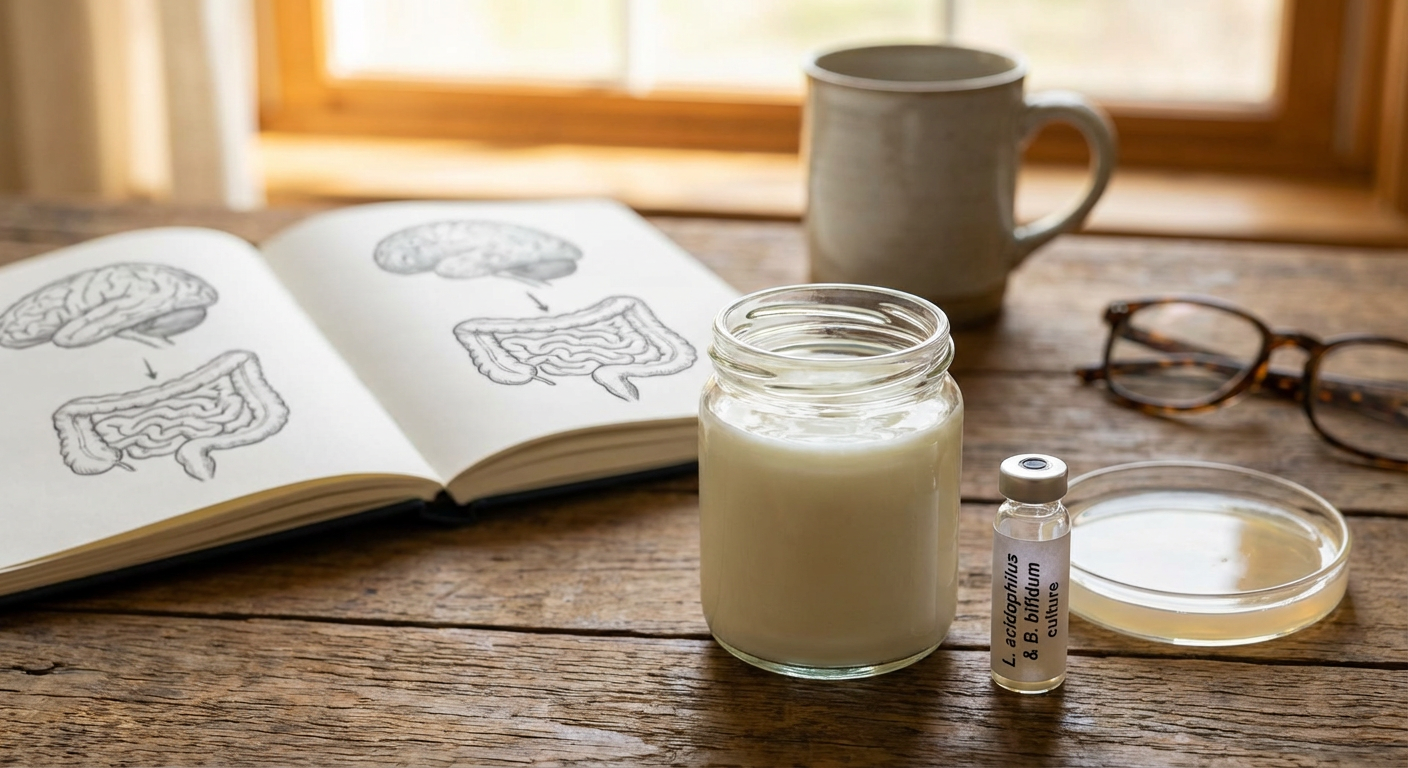
I find it fascinating how researchers are uncovering connections between specific bacterial strains like Lactobacillus and Bifidobacterium and our mental wellbeing. These microscopic allies don’t just help with digestion. They produce neurotransmitters, influence inflammation, and communicate directly with our brain through the gut-brain axis.
The science is compelling. When beneficial bacteria flourish in our intestinal tract, they create a cascade of positive effects throughout our entire system. Short-chain fatty acids produced during fermentation strengthen our intestinal barrier. Diverse bacterial populations crowd out harmful pathogens. The result? A stronger immune system and better mood regulation.
From Niche to Mainstream
Walk into any grocery store today and you’ll see this transformation happening. Kimchi and kefir have moved from specialty health food sections to prominent refrigerator displays alongside conventional dairy products. This shift is more than changing consumer preferences. It’s a complete rethinking of what everyday nutrition looks like.
Kombucha is a perfect example of this mainstream adoption. Global sales have exploded past three billion dollars in 2025, with flavors ranging from traditional ginger to exotic hibiscus-lavender blends. What started as a niche health drink found in yoga studios has become a serious competitor to soft drinks and energy beverages.
Restaurant menus tell an equally interesting story. Fermented elements have increased by 180 percent since 2019. Chefs are using everything from house-made miso glazes to fermented hot sauces. These aren’t gimmicky additions. Professional kitchens recognize that fermentation adds layers of umami complexity impossible to achieve through conventional cooking methods.
The Home Fermentation Movement
Nowhere is this revival more obvious than in home kitchens across the globe. Online communities dedicated to fermentation have exploded across platforms like Reddit and YouTube, reaching millions of enthusiastic practitioners. These digital spaces buzz with discussions about starter cultures, fermentation temperatures, and troubleshooting techniques.
The appeal goes beyond health benefits. Home fermentation gives you total control over ingredients and flavors. Basic cabbage transforms into complex, tangy sauerkraut through nothing more than salt, time, and beneficial bacteria. The process feels almost magical, yet follows precise scientific principles.
Resources like Serious Eats fermentation guides and Sandor Katz fermentation resources have made advanced techniques accessible to everyone. Newcomers can find detailed instructions for everything from simple pickles to complex koji cultivation.
This DIY approach connects with modern desires for food transparency and sustainability. Making fermented foods at home eliminates packaging waste while giving you complete ingredient control. The slow, mindful process offers a counterbalance to our fast-paced digital lives.
The Technique Revolution
Modern fermentation goes far beyond traditional methods our grandparents might recognize. Contemporary practitioners blend ancient wisdom with scientific precision, using pH meters and temperature controllers to optimize bacterial activity. This hybrid approach produces consistently excellent results while maintaining the artisanal character that makes fermented foods special.
Salt percentages matter enormously in fermentation success. Too little salt allows harmful bacteria to grow. Too much stops the beneficial microorganisms we’re trying to encourage. The sweet spot typically falls between 2-3 percent by weight, creating an environment where Lactobacillus strains thrive while pathogenic bacteria struggle.
Temperature control is equally important. Most vegetable fermentations work best between 65-75 degrees Fahrenheit. Higher temperatures speed up the process but may produce off-flavors. Lower temperatures slow fermentation but often create more complex flavor profiles. Understanding these variables transforms fermentation from guesswork into predictable craft.
Oxygen-free conditions present another important factor. Oxygen exposure during active fermentation can lead to surface mold or undesirable bacterial growth. Simple techniques like weighing vegetables below brine level or using airlocks create the oxygen-free environment beneficial bacteria require.
Beyond the Hype
While fermented foods offer genuine health benefits, it’s important to approach claims with scientific skepticism. Not all fermented products contain live cultures by the time they reach consumers. Pasteurization, extended storage, and processing can eliminate the beneficial bacteria that make fermentation valuable for gut health.
Reading labels becomes essential. Look for terms like “live cultures,” “unpasteurized,” or “raw” when seeking foods with active bacterial populations. Refrigerated products generally maintain viability better than shelf-stable versions. The tanginess and slight effervescence of truly active fermented foods usually indicates living cultures.
The key is incorporating diverse fermented foods regularly rather than expecting miracles from any single product. Variety supports broader bacterial diversity in your gut microbiome. Combining traditional options like yogurt with adventurous choices like water kefir or fermented garlic creates a more comprehensive approach to microbial nutrition.
Whether you’re drawn to fermentation for health benefits, culinary creativity, or simple curiosity about ancient food preservation techniques, this revival offers endless opportunities for exploration. Start with simple projects like quick pickles or yogurt, then gradually expand your repertoire as confidence builds. The microscopic world of beneficial bacteria awaits your kitchen experiments.